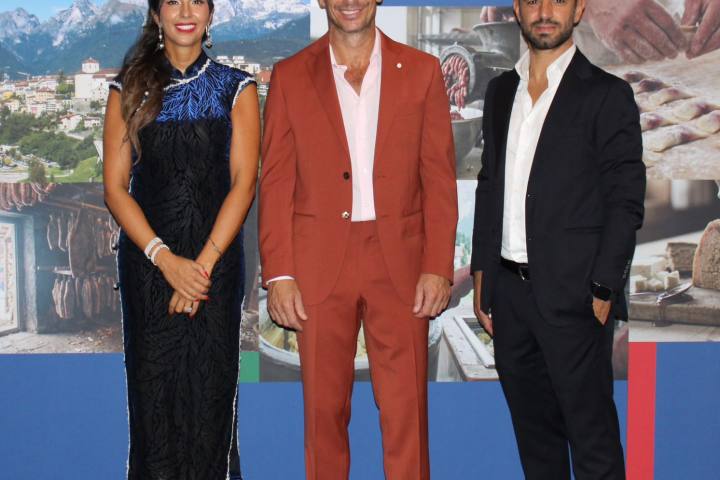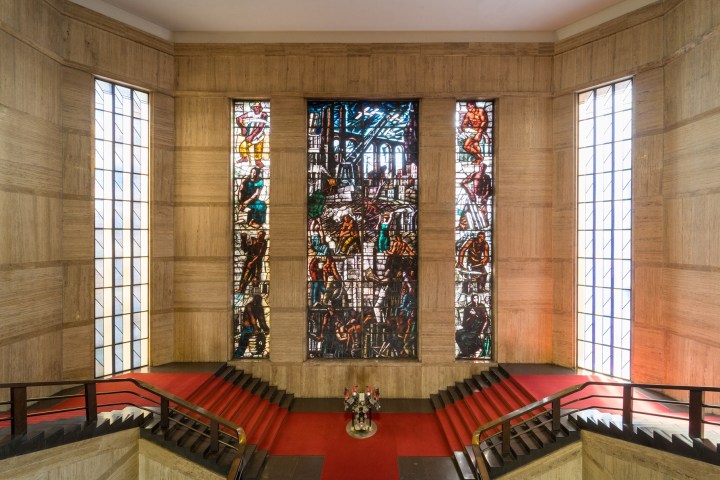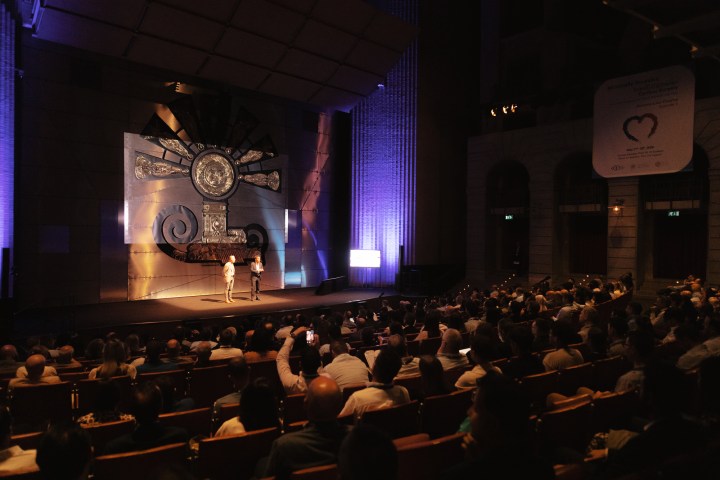


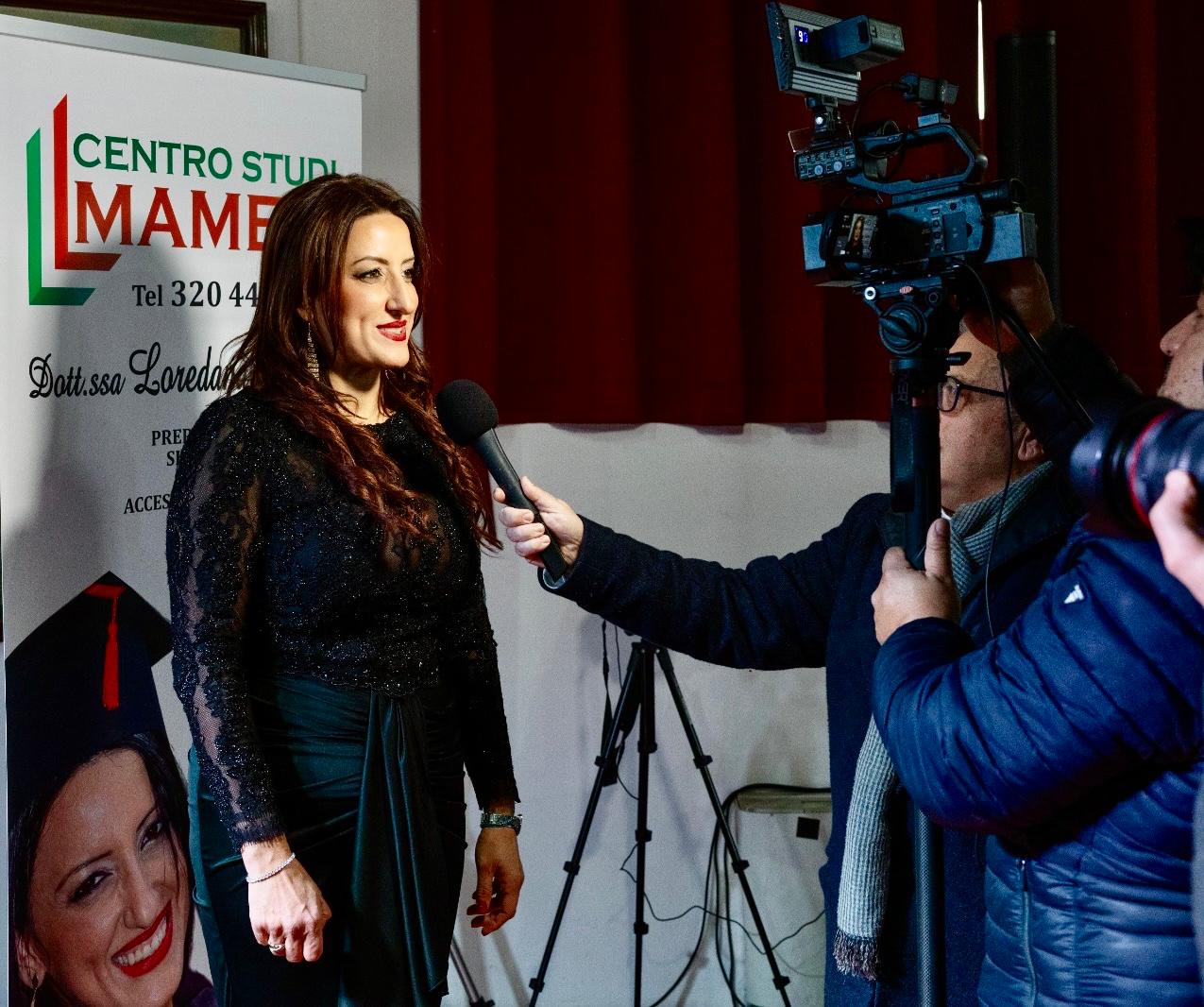
Legality is not an abstract concept, but a daily practice. This is the core message promoted by Loredana Lanna, President of the Centro Studi Mameli, who recently organized the prestigious “Premio per la Legalità” (Legality Award). The event took place in a location of powerful symbolic value: the Reggia di Carditello (Real Sito di Carditello), a historic site once neglected and exploited by organized crime, now reclaimed as a beacon of cultural heritage and state presence.
We sat down with President Lanna to discuss the roots of her commitment, the significance of the venue, and the challenges modern society faces in upholding the rule of law.
President Lanna, where does your personal commitment to legality stem from? Was there a specific moment or encounter that made you realize this battle was also yours?
“My commitment to legality stems from a deep respect for institutions and the awareness that without shared rules, there can be neither freedom nor justice. Throughout my journey, I have met people and encountered realities that confirmed to me how legality is a daily responsibility, not just a slogan. Caserta is undoubtedly a difficult reality, but in this sense, it represents an added value: it is precisely in the most complex contexts that the commitment to legality becomes most concrete and necessary.”
Why was it important to present the Legality Award specifically at the Reggia di Carditello, a place that for years symbolized abandonment, wounds, and the redemption of the territory?
“Hosting the Legality Award at the Reggia di Carditello means recognizing a place that was snatched back from the Camorra and returned to the community. For years, Carditello was a symbol of abandonment and deep wounds; today, it represents a concrete possibility of redemption for the territory. It is the demonstration that legality can transform what was once the domain of illegality into a space of value, memory, and future.”
This award highlights positive examples. What is the strongest message that the honorees can transmit to young people and to those who have lost faith in the State and institutions?
“The award recipients demonstrate that legality is not isolated heroism, but daily consistency. The strongest message they can convey to young people, and to those who have lost trust, is that choosing to respect the rules—even in the most difficult contexts—is possible and produces tangible results. Their stories tell us that personal commitment matters and that change is born from credible examples, not abstract words. Furthermore, the Italian excellences awarded show that legality, competence, and quality can go hand in hand, becoming a positive model of growth and responsibility.”
The Centro Studi Mameli has become a reference point for promoting civic culture. What is the most important value you manage to bring to the territory every day through your concrete work?
“The most important value that the Centro Studi Mameli brings to the territory is concreteness. Promoting civic culture means translating principles into daily actions, creating opportunities for dialogue, education, and real participation. Through constant work in the area, the Center contributes to strengthening a sense of responsibility, civic awareness, and trust in the value of collective commitment, especially among the younger generations.”
Today, is legality defended more in courtrooms or in the daily gestures of individuals? And in your opinion, where is society currently yielding the most ground?
“Legality is certainly defended in courtrooms, but it is born and strengthened primarily in people’s daily gestures. A fairer society is built through everyday choices: respecting the rules, refusing shortcuts, and exercising individual responsibility. Today, the point where society risks yielding the most is habituation: the idea that certain illegalities are inevitable or normal. When we stop being indignant, that is when legality truly begins to weaken.”
Discover more from The Ambassador
Subscribe to get the latest posts sent to your email.