

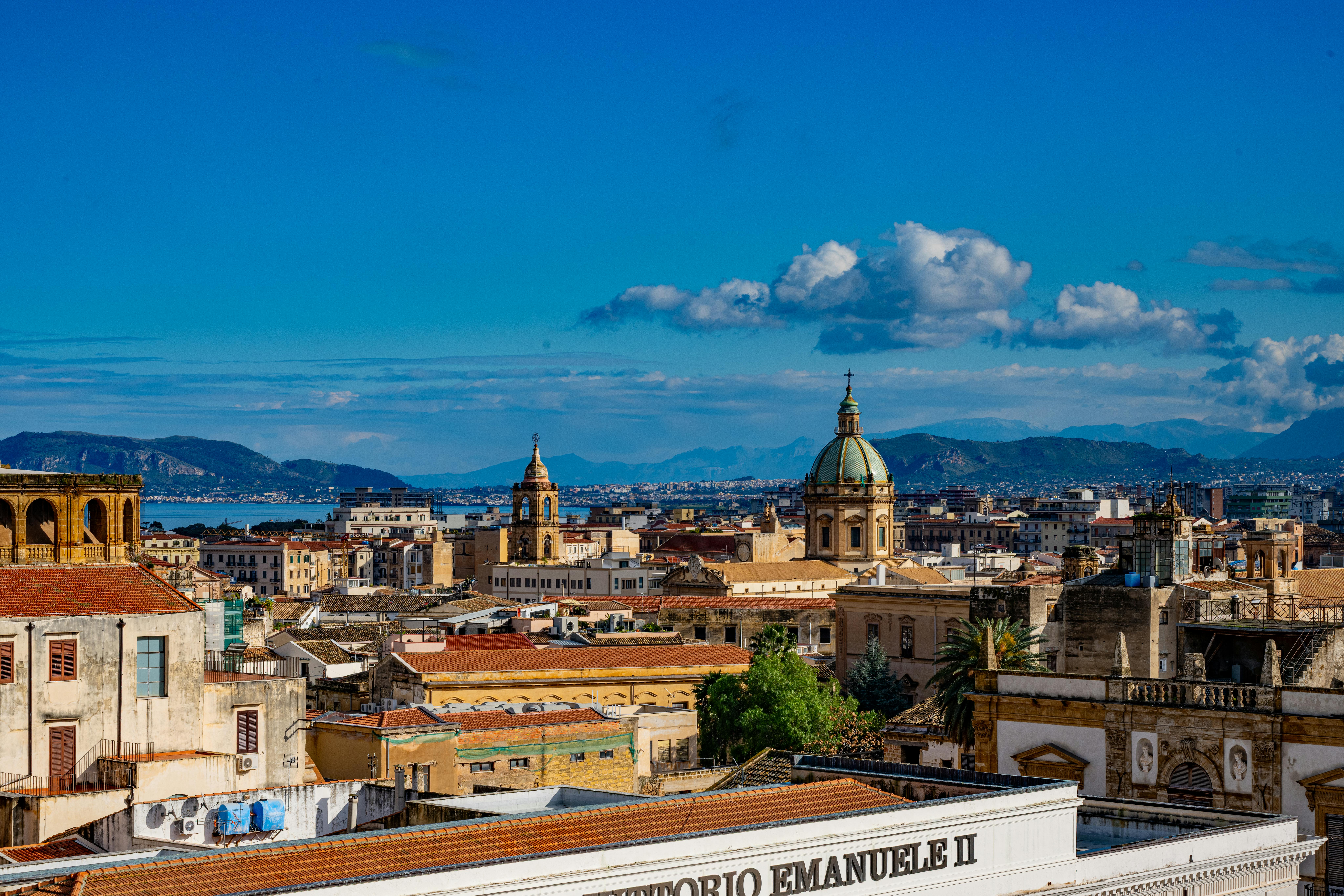
When the blinding, incandescent light of the Sicilian spring finally strikes the crumbling, honey-colored limestone facades of the Quattro Canti, it illuminates a city that has miraculously, almost violently, rewritten its own global destiny, shedding the suffocating, tragic narrative of its late-twentieth-century mafia past to emerge as the undisputed, pulsating capital of Mediterranean contemporary art and radical urban regeneration. For decades, Palermo was tragically misunderstood by the outside world, unfairly reduced to a cinematic cliché of mobsters, dilapidated baroque palaces, and civic surrender, a place where the crushing weight of its phenomenal three-thousand-year history—a dizzying, stratified palimpsest of Phoenician, Arab, Norman, Spanish, and Bourbon conquests—seemed to paralyze any genuine attempt to envision a viable, modern future, leaving its magnificent architecture to crumble silently under the relentless Mediterranean sun. However, beneath this thick, melancholic layer of dust, neglect, and political stagnation, a slow, stubborn, and deeply grassroots cultural revolution was quietly taking root in the labyrinthine alleys of the historic center, a seismic shift led by a new generation of fierce, unapologetic citizens that ultimately exploded onto the international stage when the city was chosen to host the prestigious European nomadic biennial, Manifesta 12, an event that did not merely parachute international artists into the city for a few months but permanently, irreversibly altered the urban and psychological DNA of the Sicilian capital. The true architectural and spiritual epicenter of this ongoing, breathtaking metamorphosis is undoubtedly the Kalsa district, the ancient Arab quarter facing the shimmering expanse of the Tyrrhenian Sea, where visionary private patrons and stubborn local collectives have undertaken herculean restoration projects that entirely defy the traditional, conservative Italian approach to heritage conservation. The most staggering, monumental example of this phenomenon is Palazzo Butera, a gargantuan, decaying aristocratic mansion purchased by the visionary art collectors Massimo and Francesca Valsecchi, who poured tens of millions of euros into a meticulous, years-long structural restoration not to create a static, lifeless museum of past glories, but to forge a dynamic, open-source cultural laboratory where priceless classical antiquities and delicate, fading eighteenth-century frescoes now share the same vaulted, echoing spaces with provocative, hyper-modern installations by living artists like Anne Hardy and David Tremlett, generating a thrilling, electric friction between the ghosts of the Sicilian nobility and the urgent, chaotic voices of the twenty-first century. This radical philosophy of adaptive reuse has rapidly infected the entire urban fabric, transforming abandoned convents into avant-garde theater spaces, converting crumbling, roofless churches like the breathtaking Santa Maria dello Spasimo into spectacular open-air concert venues where jazz notes float up through the nave directly to the stars, and turning the magnificent, labyrinthine Orto Botanico—where colossal, alien-looking Ficus macrophylla trees literally swallow nineteenth-century greenhouses with their massive aerial roots—into a surreal, organic backdrop for cutting-edge video art and eco-acoustic performances. Simultaneously, the infamous, visceral street markets of Ballarò, Capo, and the Vucciria have evolved from their traditional roles as chaotic hubs of local commerce into massive, open-air canvases where internationally renowned street artists paint monumental, socio-political murals that engage in a direct, unforgiving dialogue with the peeling plaster, the bullet holes of the Second World War, and the vibrant, multi-ethnic daily life of the vendors below, proving that art here does not exist in a vacuum but bleeds directly into the bloodstream of the street. Palermo has effectively transformed its historical marginality into its greatest contemporary asset, embracing its geographical destiny as the ultimate, unavoidable crossroads of the Mediterranean, a porous, welcoming frontier city that absorbs the massive migratory flows from North Africa and the Middle East not as an insurmountable political crisis, but as a vital, enriching infusion of new cultural energy that inevitably influences the local artistic production, creating a hybrid, fiercely original aesthetic that simply cannot be found in the sterile, hyper-gentrified, and highly commercialized art districts of London, Paris, or Berlin. Consequently, an astonishing reverse brain drain is currently occurring, with young, ambitious curators, digital nomads, and experimental artists from across Northern Europe and the Americas actively abandoning their expensive, sanitized capitals to relocate to the sun-drenched, affordable, and endlessly stimulating alleys of Palermo, drawn by the raw, unpolished authenticity of a city that still feels dangerous in a purely intellectual sense, a place where the strict, sanitizing rules of the contemporary art market have not yet fully commodified the creative impulse. Stripping this intoxicating, sensory overload of a city of its famously vibrant, aggressive colors—the blood-red oranges and glistening silver scabbardfish of the markets, the impossible azure blue of the sea, and the dazzling, blinding gold of the Arab-Norman mosaics in the Palatine Chapel—and capturing its current rebirth exclusively through the stark, dramatic, and unforgiving aesthetic of black and white photography reveals the profound, architectural soul of this transformation with staggering, almost painful emotional clarity. The monochrome lens aggressively accentuates the brutal, cinematic contrast between the blinding, overexposed Sicilian sunlight that bounces off the white marble pavements and the pitch-black, suffocating shadows of the narrow, winding vicoli, a chiaroscuro effect that immediately evokes the gritty, uncompromising realism of post-war Italian cinema but applies it to a thoroughly modern narrative of rebirth. It highlights the incredibly tactile, rough texture of a newly painted, sharp-edged graffiti stencil overlaid onto a deeply scarred, centuries-old baroque column adorned with putti, emphasizing the physical tension between the ancient and the avant-garde without the distraction of color. Furthermore, it perfectly isolates the exhausted but fiercely proud faces of the young gallery owners, the immigrant chefs fusing Sicilian and Senegalese cuisines, and the local activists who are physically and metaphorically rebuilding their city stone by stone, capturing the sweat on their brows and the fierce determination in their eyes. This high-contrast visual approach strips away the superficial, tourist-friendly gloss to expose a profound, dignified, and incredibly powerful urban reality, proving unequivocally that Palermo is no longer a beautiful, tragic monument endlessly mourning its own complicated past, but a fierce, living, breathing, and incredibly relevant protagonist in the narrative of our global future, a city that has finally learned how to weaponize its immense beauty and its profound contradictions to forge a new, undeniably brilliant path forward in the Mediterranean sun.
Discover more from The Ambassador
Subscribe to get the latest posts sent to your email.