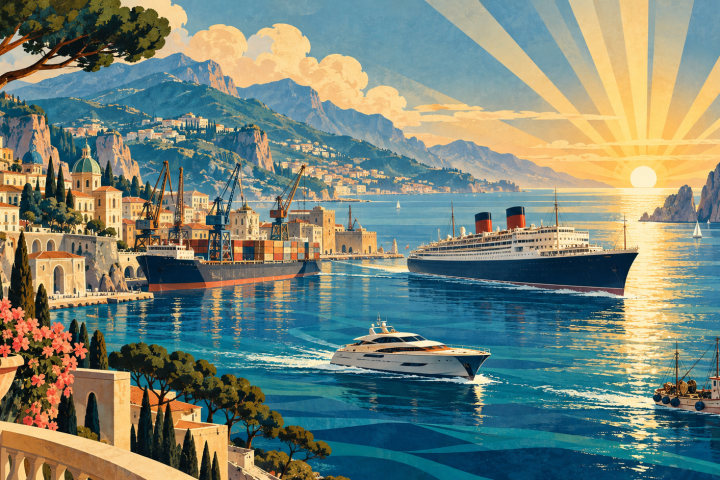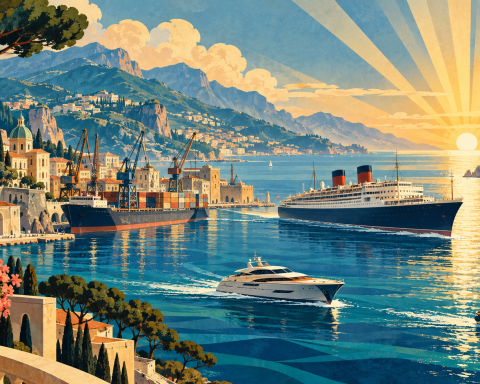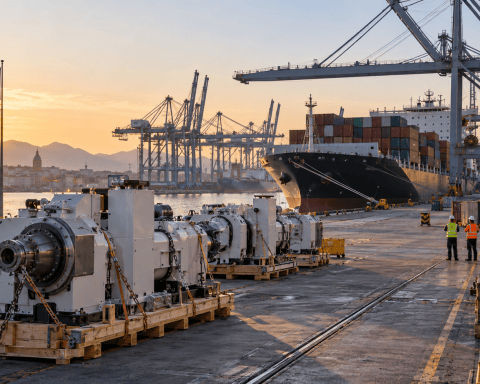


As the spring sun begins to burn away the lingering coastal fogs of the Tyrrhenian and Adriatic seas, a feverish, almost primal energy overtakes the massive industrial hangars that line the waterfronts of Viareggio and Ancona, signaling the climax of a meticulous gestation period that transforms raw, unyielding metal into the undisputed apex of global maritime luxury. Italy holds an absolute, unassailable supremacy in the global order book for superyachts—vessels stretching beyond twenty-four meters, and often exceeding eighty—and it is within these two distinct, fiercely proud port cities that the true alchemy of the Italian nautical renaissance is violently and beautifully forged.
To walk into one of these colossal construction sheds in Ancona, the beating heart of the Marche region’s shipbuilding prowess, is to be immediately assaulted by a sensory cacophony that fundamentally contradicts the serene, silent elegance of the final product; the air is thick with the acrid scent of vaporized metal, the deafening, percussive roar of angle grinders smoothing monolithic steel plates, and the blinding, stroboscopic blue flashes of arc welders stitching together the skeletal ribcages of what look like prehistoric metallic whales. Here, in the domain of shipyards like CRN, Palumbo, and the Ferretti Group giants, naval architecture is an exercise in extreme physics and uncompromising heavy industry, where engineers calculate complex hydrodynamics, structural stress, and weight distribution to ensure that a five-deck floating palace carrying swimming pools, helipads, and submarine garages remains perfectly stable, impossibly silent, and aggressively fast while crossing the Atlantic Ocean.
Yet, crossing the Apennines to the Tuscan coast, the city of Viareggio offers a different, though equally intense, flavor of maritime mastery, rooted deeply in the ancient traditions of the maestri d’ascia—the master shipwrights who once carved wooden hulls by hand—whose generational knowledge has now seamlessly evolved into the cutting-edge manipulation of fiberglass, advanced carbon fiber composites, and lightweight aluminum alloys. In the legendary yards of Benetti, Azimut, and Sanlorenzo, the raw, visceral power of the hull’s construction is rapidly enveloped by an obsessive, microscopic attention to the interior outfitting, revealing the true secret weapon of the Italian superyacht industry: the seamless integration of the country’s unparalleled luxury supply chain.
A superyacht is not merely a boat; it is a bespoke, self-sustaining, floating villa that must withstand the incredibly hostile, corrosive environment of saltwater and relentless kinetic vibration, requiring interior solutions that border on the miraculous. Carrara marble, sourced just a few dozen kilometers away from the Viareggio docks, is milled down to a thickness of mere millimeters and bonded to aerospace-grade honeycomb aluminum backing to provide the aesthetic gravity of solid stone without fatally compromising the vessel’s displacement and speed; buttery leathers are hand-stitched over intricate cabinetry by the very same artisans who supply Milan’s most exclusive haute couture fashion houses; and custom-blown Murano glass chandeliers are engineered with hidden, microscopic dampeners so they do not chime or shatter when the yacht’s twin MTU engines roar to life, pushing tens of thousands of horsepower through the massive bronze propellers.
This complex, symbiotic ecosystem supports thousands of specialized, highly skilled jobs across a capillary network of small, family-run workshops—upholsterers, carpenters, electricians, and painters—who converge on the shipyards like a synchronized orchestra tuning their instruments before a grand symphony, creating a multi-billion euro export industry that represents one of the most vital pillars of the modern Italian economy. The spring season is particularly electrifying because it marks the definitive deadline for delivery; billionaire owners, royalty, and tech magnates are waiting to take possession of their bespoke leviathans in time for the Mediterranean summer season, creating an atmosphere of intense, focused urgency where shifts run around the clock and the glow of the shipyard lights bleeds into the coastal dawn.
Stripped of the dazzling turquoise of the sea and the glittering gold of the opulent interiors, capturing this brutalist process through the stark, unforgiving lens of black and white photography reveals the profound, almost spiritual dignity of the labor involved; the high-contrast aesthetic perfectly emphasizes the soot-stained faces of the welders framed by the blinding sparks of their torches, the geometric, sweeping perfection of a freshly laid teak deck being sanded by calloused hands, and the monumental, surreal silhouette of a pristine white hull dwarfing the industrial scaffolding that surrounds it like a fragile exoskeleton. It is a visual testament to the ultimate paradox of “Made in Italy” excellence, demonstrating how the most delicate, refined, and luxurious aesthetic sensibilities on the planet are literally hammered, welded, and wrestled into existence out of cold steel and raw composite by men and women wearing hardhats and steel-toed boots.
The emotional climax of this entire, years-long endeavor culminates in the moment of il varo—the launch—when the traditional bottle of champagne shatters against the colossal prow and the massive structure slides down the slipway or is gently lowered by monumental travel lifts, displacing a tidal wave of water as it finally kisses the sea for the very first time. In that singular, breathtaking instant, the cacophony of the shipyard falls silent, replaced by the blast of the ship’s horn and the cheers of the workers who built her, as a cold, static piece of heavy engineering suddenly transforms into a living, breathing entity, a majestic, floating ambassador of Italian craftsmanship ready to carry the tricolor flag to the most exclusive, remote, and glamorous marinas on the planet, silently asserting a centuries-old maritime heritage that utterly refuses to surrender its global crown.
Discover more from The Ambassador
Subscribe to get the latest posts sent to your email.