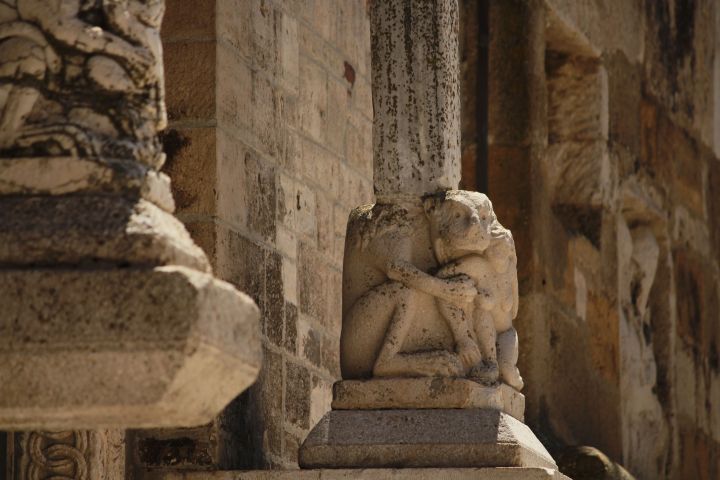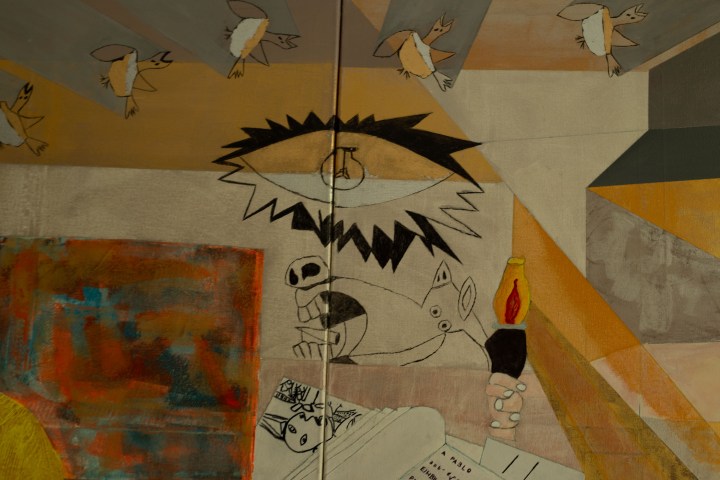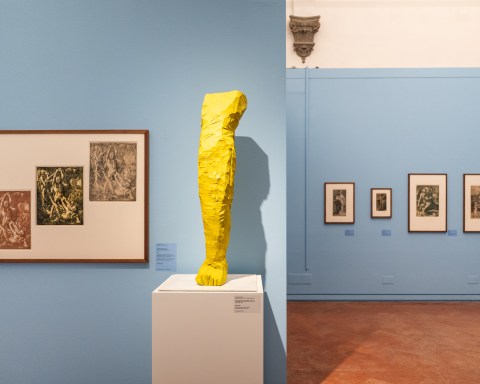


Every April, Milan undergoes a profound, almost violent metamorphosis that entirely defies its historical reputation as a stern, business-first metropolis cloaked in the gray fog of finance and industry, shedding its corporate skin to reveal a vibrant, pulsating heart of pure creative energy. The Salone del Mobile, synergistically coupled with the capillary, chaotic explosion of the Fuorisalone, is universally recognized as the absolute pinnacle of global design, yet to reduce this week-long phenomenon to a mere furniture exhibition is a fundamental misunderstanding of its macroeconomic gravity and its staggering cultural significance. Born in 1961 as a pragmatic vehicle to promote Italian exports, the Salone has evolved into the Olympics of the “economy of ideas,” a temporal suspension where the Lombard capital becomes the undisputed epicenter of aesthetic and sociological intellect, drawing hundreds of thousands of architects, buyers, journalists, and visionaries from Tokyo to New York who flock to the city not simply to purchase seating arrangements or lighting fixtures, but to decode the very future of how humanity will live, work, and interact with its environment. The sheer scale of the event at the Rho Fiera exhibition center is dizzying, a sprawling city of pavilions where the world’s most prestigious brands construct temporary architectural masterpieces just to house their new collections, setting global trends that will dictate the visual language of interiors for the next decade. However, the true, untamed magic of this phenomenon happens far beyond the massive, hyper-efficient glass and steel halls of the fairgrounds, seeping directly into the historic, often hidden fabric of the city itself through the Fuorisalone, an organic, decentralized festival that has no equal anywhere on the planet. In aristocratic districts like Brera or the Cinque Vie, secret courtyards of Renaissance palazzos, cloistered monastery gardens, and normally inaccessible aristocratic villas are temporarily converted into avant-garde installations where raw, futuristic materials converse directly with centuries-old architecture, creating a breathtaking juxtaposition between the untouchable past and the bold, irreverent future. Simultaneously, in post-industrial canvases like Tortona, Isola, Barona, and the sprawling abandoned railway yards of Dropcity or the former abattoirs of Alcova, derelict factories and brutalist warehouses are reclaimed by young, independent designers and experimental collectives who push the absolute boundaries of what is considered design. Here, the discipline transcends mere functionality or aesthetic pleasure to become a complex, urgent philosophical discourse on the survival of our species, addressing existential themes like radical sustainability, spatial justice, the circular economy, and the seamless, invisible integration of artificial intelligence into domestic intimacy. We are witnessing a definitive shift from designing objects to designing behaviors, where creators present chairs grown organically from mycelium, dining tables crafted from compressed industrial waste, and lighting systems that precisely mimic the circadian rhythms of the sun to improve mental health in hyper-dense urban environments. The roots of this intellectual supremacy are deep, nourished by the spiritual fathers of Italian design—titans like Gio Ponti, Achille Castiglioni, Vico Magistretti, and Ettore Sottsass—who taught the world that a lamp or a radio could possess a soul, a sense of irony, and a profound architectural dignity; their legacy walks the streets of Milan today, visible in the meticulous attention to detail and the relentless pursuit of beauty that defines every single presentation. Yet, the secret weapon of Milan, the invisible engine that makes this entire week impossible to replicate in ambitious, wealthy cities like London, Dubai, or Shanghai, is its unparalleled, physical proximity to the Brianza district, the historic manufacturing backbone of Italy located just a few kilometers north of the Duomo. This geographical and cultural contiguity creates a unique, irreplaceable bridge between radical, visionary concepts and the pragmatic, peerless perfection of Italian industrial craftsmanship; it is a territory where the obsessive, calloused touch of the artisan meets the precision of high-tech mass production, where knowledge of wood carving, leather stitching, and metal bending has been passed down through generations of families who treat manufacturing as a religion. When a superstar architect from Japan or an avant-garde designer from Scandinavia conceives a form that seems to completely defy the laws of physics, it is the quiet, stubborn craftsmen of Brianza who figure out how to engineer it, build it, and scale it, generating objects that maintain a deeply human warmth even when constructed from cold carbon fiber or 3D-printed bio-resins. Economically, the impact is a tidal wave, injecting hundreds of millions of euros into the local economy within a mere seven days, filling every hotel room, restaurant, and taxi, while generating billions in orders for the furniture sector, reaffirming manufacturing as a foundational pillar of the Italian GDP. This tension between the established titans of the industry, with their multi-million-euro marketing budgets, and the hungry, independent creators showcasing their prototypes in damp basements creates a dynamic, fiercely competitive ecosystem where innovation is not just encouraged, but demanded for survival. The city becomes a massive, open-source incubator, a place where a serendipitous conversation at a late-night Negroni bar in the Navigli district can lead to a global manufacturing contract the very next morning. It is a grueling, exhilarating marathon of vernissages, cocktail parties, intellectual roundtables, and endless walking, where the boundaries between B2B networking and collective street party dissolve entirely, democratizing design and making it accessible to students, citizens, and curious tourists who line up for hours just to glimpse a spectacular light installation in a deconsecrated church. Stripped of its vibrant springtime colors, captured instead in the stark, uncompromising, and elegant contrast of black and white photography, the essence of the Salone becomes even more apparent; the sleek, minimalist lines of a newly launched sculptural sofa set against the ornate, crumbling stucco and classical statues of a seventeenth-century Milanese courtyard perfectly encapsulate this enduring aesthetic tension. The absolute absence of color forces the eye to focus on the pure geometry, the texture of the materials, the interplay of shadow and light, and the expressions of the exhausted but inspired people navigating these spaces, transforming a design fair into a profound photographic essay on human ingenuity. It is the definitive portrait of a city eternally suspended between a profound, melancholic respect for its monumental, weighty past and a relentless, almost aggressive, irrepressible push toward tomorrow, confirming unequivocally that as long as humanity needs a place to sit, to sleep, and to dream, Milan will be the city that draws the blueprint.
Discover more from The Ambassador
Subscribe to get the latest posts sent to your email.