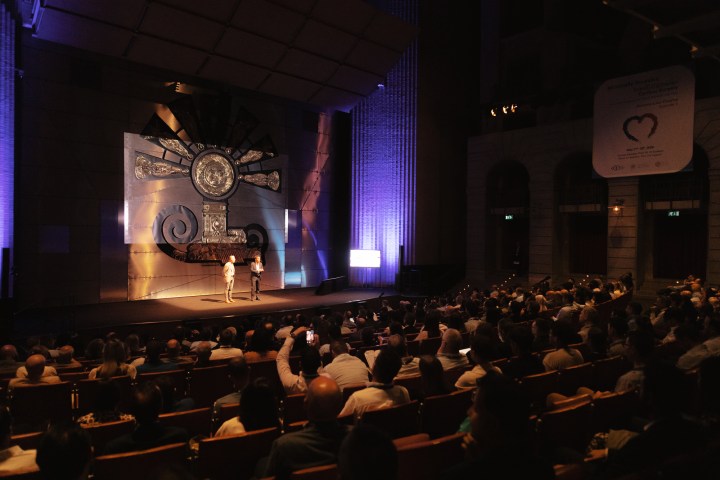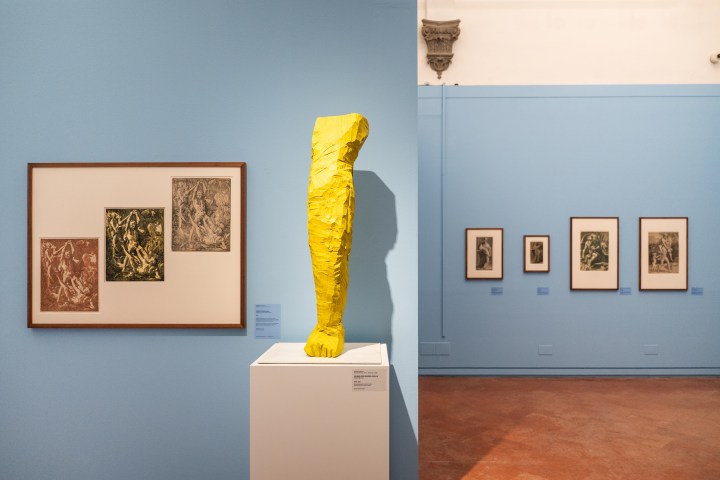



When the incredibly fragile, shimmering, and utterly unpredictable light of the Venetian spring finally breaks through the lingering, melancholic morning mist, casting a surreal, blindingly bright, and almost theatrical illumination across the jade-green, churning waters of the Grand Canal, an electrifying, feverish, and thoroughly cosmopolitan energy violently overtakes the sinking, eternally beautiful city, signaling the highly anticipated, triumphant opening of the 2026 International Art Exhibition of La Biennale di Venezia. To naively perceive this monumental, six-month-long cultural marathon as a mere industry trade show, an elitist networking event, or a polite, sterile exhibition of framed paintings is to completely fail to grasp the staggering, tectonic collision of epochs that defines this unparalleled global phenomenon, a radical, unapologetic spectacle where the absolute, bleeding-edge avant-garde of twenty-first-century artistic expression is aggressively, spectacularly injected directly into the decaying, hyper-opulent, and exquisitely fragile bloodstream of a profoundly ancient maritime republic. The geographical and spiritual epicenter of this intoxicating, exhaustive chromatic explosion is traditionally split between two incredibly distinct, visually overwhelming macro-universes, beginning first within the lush, profoundly aristocratic, and heavily shaded avenues of the Giardini, where the historical, permanent national pavilions—ranging in architectural style from severe, uncompromising Nordic functionalism to the bombastic, neoclassical grandeur of the early twentieth century—are radically, violently transformed, gutted, and completely reimagined by the world’s most visionary creative minds, resulting in a dizzying, sensory overload where an exhausted visitor might stumble out of a blindingly white, painfully minimalist room filled entirely with swirling, iridescent blue optical illusions representing the terrifyingly rapid melting of the polar ice caps, only to plunge immediately into a neighboring pavilion vibrating with aggressive, pulsating neon pink lights, deafening, chest-rattling electronic soundscapes, and towering, hyper-realistic fiberglass sculptures dripping in synthetic, blood-red resins that fiercely interrogate the terrifying ethical complexities of modern artificial intelligence and genetic engineering. However, the true, raw, and undeniably brutal industrial heart of the Biennale beats ferociously just a few canals away within the colossal, cavernous, and awe-inspiring spaces of the Arsenale, the ancient, formidable military shipyards where the Venetian Republic once aggressively forged its invincible wooden fleet with a ruthless, assembly-line efficiency that terrified the Mediterranean; here, beneath massive, incredibly heavy wooden trusses and between endless, echoing rows of rough, exposed, blood-orange brickwork that still remarkably smells faintly of centuries-old pitch, sweat, and saltwater, visionary curators orchestrate immense, sprawling, and breathtakingly ambitious group exhibitions that intentionally utilize the sheer, terrifying scale of the architecture to completely dwarf and humble the human observer. In these shadowy, monumental corridors, delicate, impossibly intricate tapestries woven from shimmering golden and silver threads are deliberately juxtaposed against massive, rust-covered steel industrial readymades, while colossal, high-definition, and hyper-saturated video art installations are projected directly over the dark, perfectly still, and highly reflective indoor water basins, creating a mesmerizing, inescapable, and profoundly disorienting labyrinth of pure light, deep shadow, and distorted reflection that forces the audience to physically navigate a landscape of pure psychological tension. Yet, the absolute, undeniable genius of the Venice Biennale—the very reason why it remains utterly unrivaled by the wealthy, highly sanitized, and commercially driven art fairs of Basel, London, or Miami—lies in its uncontrollable, highly infectious tendency to violently bleed out from these official, strictly ticketed boundaries, aggressively and beautifully colonizing the entire, sprawling, and watery urban fabric of the city through hundreds of collateral events, rogue pop-up galleries, and hidden, wildly exclusive installations that force the exhausted, over-stimulated visitor to physically surrender to the maddening, beautiful chaos of the Venetian calli and campielli. Suddenly, without warning, the heavy, intricately carved wooden doors of normally inaccessible, profoundly private, and gently decaying Gothic palazzos overlooking the Grand Canal are thrown wide open to the public, allowing curious, well-heeled international collectors in bespoke tailoring and exhausted, heavily tattooed art students alike to wander freely and democratically through vast, echoing ballrooms where priceless, peeling eighteenth-century Tiepolo frescoes depicting pastel-colored, serene mythological heavens are forced into a shocking, fierce, and deliberate visual combat with violently colorful, massive abstract expressionist canvases, aggressively modern, highly polished stainless steel sculptures, and blinding, multi-story LED screens that completely dominate the ancient, uneven terrazzo-floored saloni. This profound, thrilling, and constantly shifting juxtaposition is the ultimate visual and philosophical metaphor for Venice itself in the vibrant spring of 2026: a city that is simultaneously, heartbreakingly drowning under the immense, crushing weight of its own unparalleled history and the relentlessly rising, turquoise tides of the Adriatic Sea, yet fiercely, stubbornly refusing to become a silent, tragic, and static museum piece, choosing instead to courageously offer its bruised, magnificent, and vividly colorful architectural body as the ultimate, sacrificial canvas for the most urgent, provocative, and beautifully chaotic artistic voices of our turbulent modern era, proving definitively, once and for all, that true, enduring beauty is absolutely never a safe, comfortable, or static phenomenon, but rather a violent, breathtaking, and deeply necessary collision between the fading, majestic ghosts of the past and the blinding, terrifying neon glow of the absolute, unwritten future.
Discover more from The Ambassador
Subscribe to get the latest posts sent to your email.