

As the dizzying, relentless acceleration of the twenty-first century propels humanity into an unprecedented era defined by the ubiquitous, almost suffocating presence of generative Artificial Intelligence, a profound and urgent philosophical counter-movement is taking root not in the sterile, neon-lit server farms of Silicon Valley or the hyper-modern, algorithmically governed megacities of Shenzhen, but within the ancient, frescoed halls of Italian universities and the silent courtyards of Rome, where the echoes of the classical Renaissance are being fiercely repurposed to confront the ethical abyss of the digital age. Italy, a nation universally revered for its peerless historical contributions to art, architecture, and gastronomy, is quietly but decisively asserting itself as the undisputed global epicenter of “Algorethics,” a vital new academic and moral discipline dedicated to ensuring that the exponential, seemingly unstoppable growth of machine learning remains inextricably tethered to the fundamental principles of human dignity and social justice.
This intellectual vanguard is led by a formidable generation of Italian philosophers, theologians, and bioethicists—visionary thinkers like Luciano Floridi, who conceptualized the “Infosphere,” and Paolo Benanti, the Franciscan friar who advises governments on algorithmic ethics—who collectively recognize that the most critical challenge of our current epoch is not simply maximizing the raw computational power of neural networks, but establishing a robust, infallible moral framework capable of governing these synthetic minds before they autonomously and irreversibly govern us.
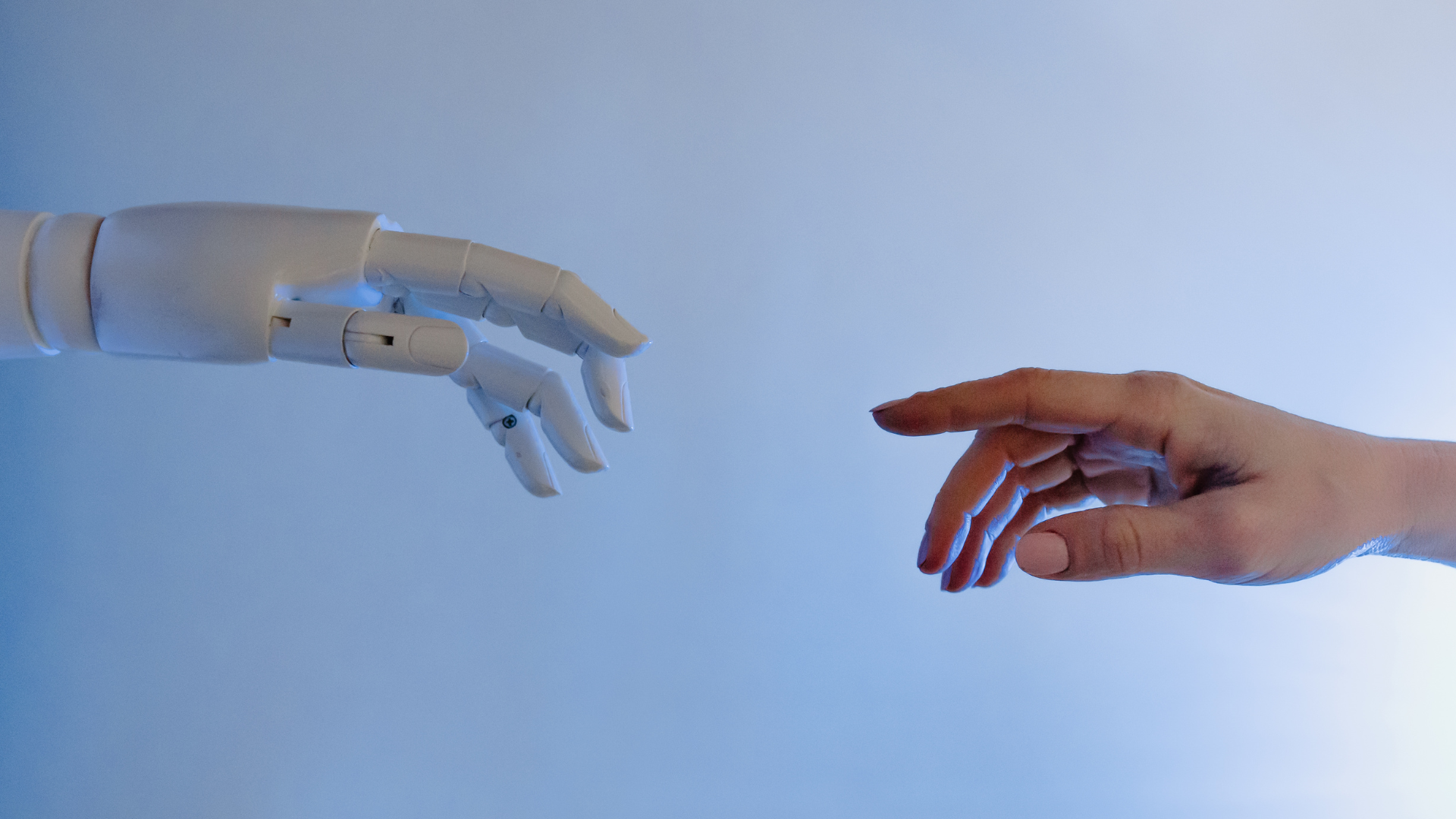
The historical parallel is striking, deeply intentional, and intellectually thrilling; just as the fifteenth-century Florentine humanists rescued Europe from the intellectual stagnation of the Middle Ages by placing mankind back at the exact, unmoving center of the philosophical universe, today’s Italian thinkers are striving to rescue modern society from the deterministic tyranny of the algorithm by insisting on a “human-in-the-loop” approach that aggressively prioritizes ethical transparency over blind, Silicon Valley-style technological efficiency. The seminal manifestation of this monumental effort was the “Rome Call for AI Ethics,” a historic, globally resonant document initially spearheaded by the Pontifical Academy for Life in the Vatican and subsequently embraced by global tech titans, international governments, and leading universities, which laid down an uncompromising, universally applicable charter based on six core principles: transparency, inclusion, responsibility, impartiality, reliability, security, and privacy.
What makes the Italian perspective so uniquely powerful, authoritative, and internationally sought-after is the profound cultural realization that cold mathematics and binary logic, when entirely devoid of humanistic context, are inherently sociopathic; they desperately require the moderating influence of classical philosophy, the empathetic depth of literature, the historical awareness of human frailty, and the rigorous dialectical training that is inscribed into the very DNA of the Italian educational system, particularly the venerable Liceo Classico. When a complex, opaque algorithm is suddenly tasked with deciding who receives a life-saving medical treatment, who is approved for a crucial business mortgage, how a swarm of autonomous drones navigates a crowded airspace, or how a self-driving vehicle reacts in a fatal, split-second ethical dilemma, the underlying code ceases to be a mere technical artifact and transforms instantly into a codified moral judgment, effectively outsourcing our humanity to a machine.
It is precisely in these shadowy, morally ambiguous intersections that the Italian scholars argue passionately for a transition from a reckless mindset of “digital disruption,” which historically leaves a devastating trail of social collateral damage and unemployment in its wake, to a mature, protective paradigm of “digital stewardship,” where technology is meticulously curated to amplify human potential, augment our creativity, and cure our diseases, rather than render our labor and our intellect obsolete, fighting back against the pervasive, existential anxiety of automation that currently grips the global workforce in this spring of 2026. Imagine the visual poetry of this high-stakes debate, captured ideally in the uncompromising, timeless, and dramatic aesthetic of black and white photography: a brilliant young philosopher, illuminated only by the harsh, bluish, artificial glow of a laptop screen displaying complex, scrolling lines of Python code, sitting in a centuries-old, vaulted library surrounded by towering, dusty volumes of Seneca, Aristotle, and Thomas Aquinas, visually and spiritually bridging the immense chasm between classical antiquity and the quantum future.
This striking visual contrast highlights a fundamental, inescapable truth: the terrifyingly complex questions we are asking of Artificial Intelligence today—what is consciousness, what constitutes fairness, what is the ultimate, defining purpose of human labor, and what does it truly mean to be alive—are not new questions at all, but the very same existential inquiries that have echoed through the stone piazzas of Italy for millennia, only now they are being asked of sentient-seeming machines rather than the silent gods. By injecting this profound, battle-tested humanistic heritage into the frantic global dialogue surrounding artificial intelligence, Italy is offering the world an invaluable, arguably civilization-saving gift, proving unequivocally that its most crucial and lasting export in this turbulent century might not be its luxury fashion, its legendary sports cars, or its globally celebrated cuisine, but rather the ethical compass required to navigate the uncharted, potentially perilous waters of the digital revolution without losing our collective soul in the process, ensuring that the dazzling technology of tomorrow is fundamentally, permanently engineered to serve the fragile humanity of today.
Discover more from The Ambassador
Subscribe to get the latest posts sent to your email.