

When the bracing, intensely salty, and deeply iodine-rich breezes of the early Mediterranean spring violently sweep off the churning, dark blue expanse of the Ligurian Sea and aggressively crash into the impossibly steep, spectacularly rugged, and relentlessly terraced cliffs of the Italian Riviera, a profound, wildly fragrant, and fiercely protected botanical awakening begins to rapidly unfold within the narrow, highly specialized, and historically revered agricultural micro-climate of the Pra district in Genoa. Here, suspended precariously between the dazzling, blinding reflection of the coastal waters and the towering, protective barrier of the Apennine mountains, the true, undisputed, and universally worshipped protagonist of this vibrant, incredibly aromatic seasonal explosion is meticulously cultivated by generations of stubborn, calloused, and immensely proud local farmers: the delicate, impossibly tender, and pale green Basilico Genovese DOP, a phenomenally fragile, highly highly sensitive, and astonishingly sweet herb that absolutely, fundamentally refuses to grow with the same intoxicating, mind-altering aromatic complexity anywhere else on the face of the earth.
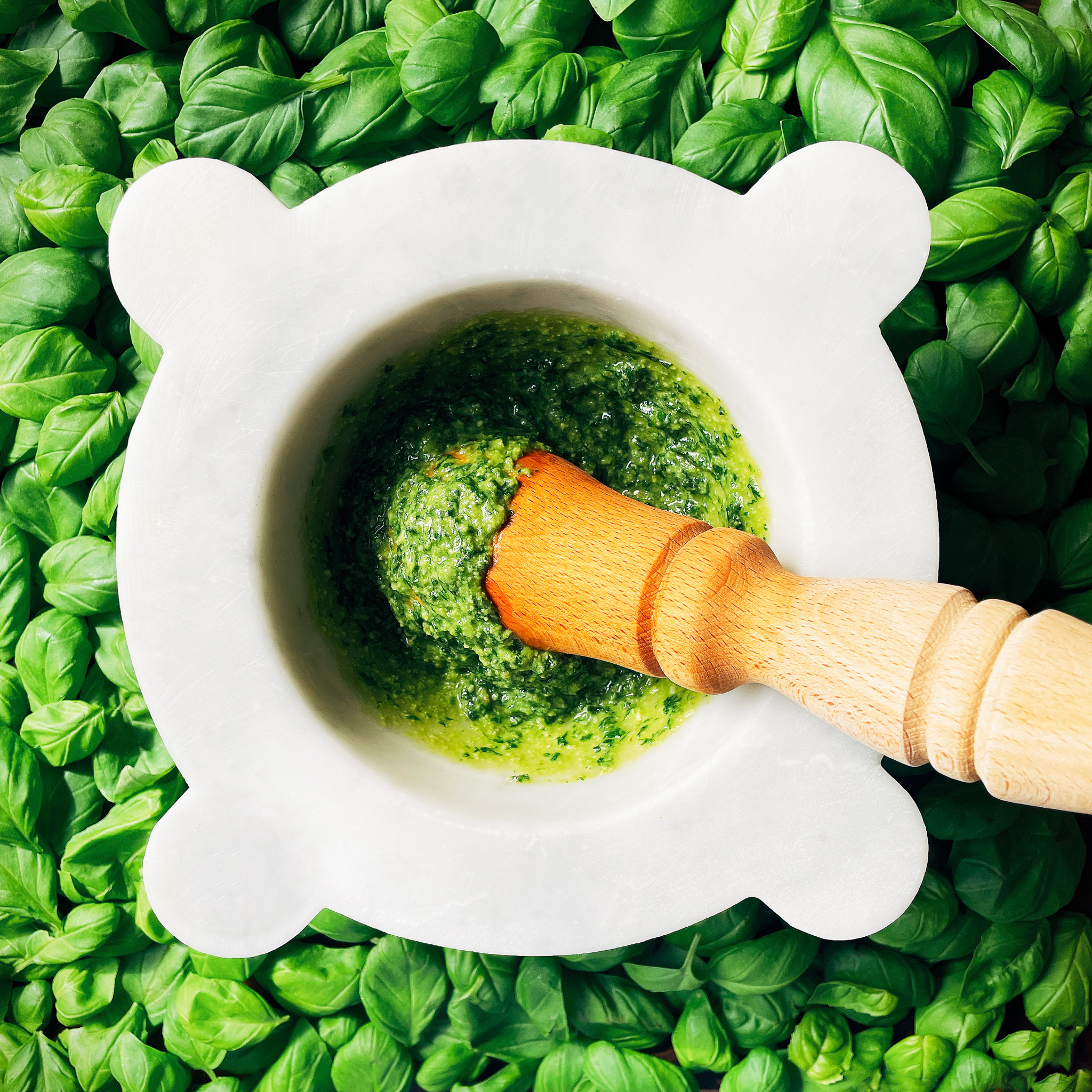
To casually, lazily, or ignorantly desecrate this pristine, remarkably delicate, and profoundly historical botanical masterpiece by carelessly throwing its freshly picked, easily bruised leaves into the spinning, aggressive, violently destructive, and heat-generating metal blades of a modern electric food processor is universally considered, throughout the entire, fiercely traditional Ligurian territory, as an absolute, unforgivable, and deeply offensive culinary heresy. The authentic, soul-stirring, and profoundly ancient creation of true pesto genovese—a word intrinsically derived from the Italian verb pestare, meaning to pound or to crush—absolutely demands the heavy, solemn, and meticulously ritualistic use of a profoundly ancient, impeccably smooth, and incredibly dense white Carrara marble mortar, paired specifically and non-negotiably with a stubbornly hard, deeply seasoned, and ergonomically shaped olive wood pestle.
This agonizing, physically exhausting, and entirely manual process is not a mere romantic, performative anachronism, but an absolute, scientifically proven, and deeply necessary mechanical requirement; the slow, rhythmic, hypnotic, and incredibly demanding circular grinding motion of the heavy wooden pestle against the rough marble walls gently, patiently tears and crushes the delicate cellular structure of the basil leaves without ever tearing, slicing, or fatally oxidizing them, miraculously allowing the highly volatile, intensely fragrant essential oils to aggressively, beautifully bloom into the warm spring air without turning a tragic, bitter, and oxidized black.
The dizzying, overwhelmingly intense, and purely sensory orchestration of this magnificent, bright green emulsion is a masterclass in aggressive, uncompromising regional sourcing, demanding the precise, chronological, and fiercely traditional layering of phenomenally high-quality, wildly expensive raw ingredients: first, the sweet, intensely pungent, and remarkably digestible local garlic sourced exclusively from the remote, high-altitude mountain village of Vessalico is violently crushed with a generous, aggressive pinch of coarse, sparkling white sea salt, forming a sharp, abrasive, and highly aromatic foundational paste; this is immediately, eagerly followed by the gentle, meticulous integration of the fragile, unwashed basil leaves, the soft, buttery, and deeply resinous Mediterranean pine nuts, and the incredibly generous, snow-like mountains of aged, crystalline Parmigiano Reggiano violently juxtaposed with the sharp, smoky, and aggressively robust animalic funk of authentic Fiore Sardo pecorino cheese.
Finally, the absolute, undeniably magical, and deeply transformative crescendo of this chaotic, intensely fragrant, and heavily labor-intensive symphony occurs with the incredibly slow, meticulous, and continuous, thread-like drizzle of the most precious, remarkably sweet, and intensely fruity extra virgin olive oil, pressed exclusively from the tiny, dark, and highly coveted Taggiasca olives that cling stubbornly to the dizzying coastal terraces, a liquid elixir that forcefully, beautifully emulsifies the disparate, violently crushed ingredients into a spectacularly vibrant, almost fluorescent, and completely unadulterated emerald-green masterpiece.
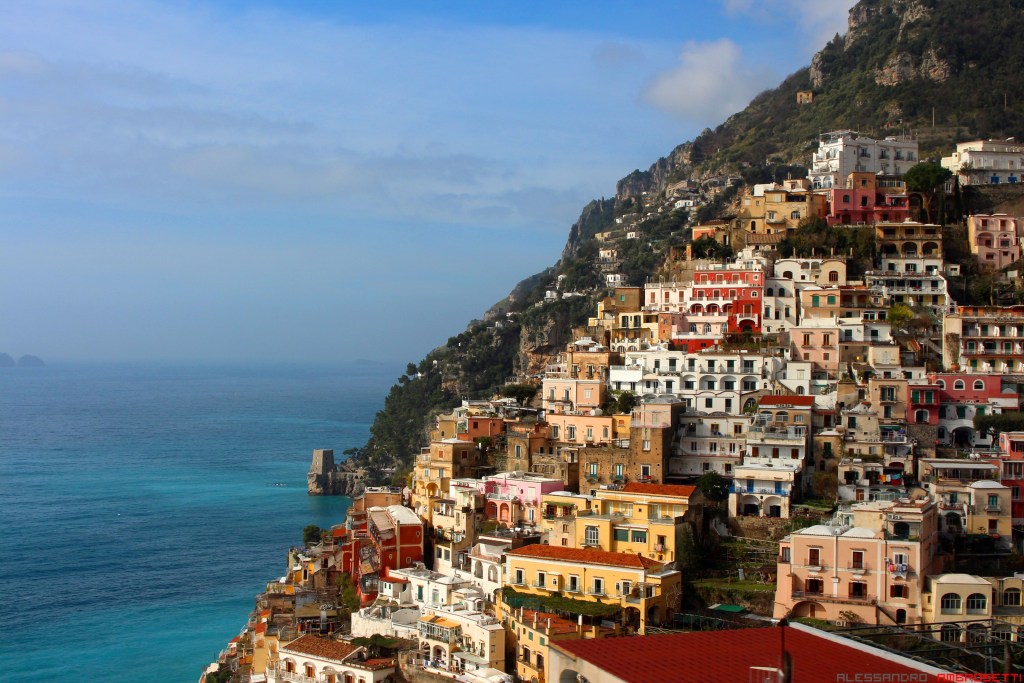
When this raw, uncooked, and fiercely alive sauce is finally, triumphantly tossed with a massive, steaming, and perfectly al dente bowl of traditional, hand-rolled trofie pasta or the incredibly delicate, diaphanous, and impossibly thin mandilli de saea—the legendary, deeply historical “silk handkerchiefs” of the Genoese culinary repertoire—the resulting visual and sensory explosion is nothing short of miraculous, an absolute, undeniable triumph of pure, unadulterated color contrast ideally suited for this vibrant central insert of the magazine. The incredibly bright, violently green, and intensely glossy pesto furiously coats every single, microscopic crevice of the pale, steaming pasta, filling the dining room with an overwhelming, deeply intoxicating, and wildly herbaceous perfume that instantly, violently transports the diner directly to a sun-drenched, sea-swept terrace overlooking the magnificent, dramatic, and wildly colorful Italian coastline. This extraordinary, world-class, and deeply complex sauce is absolutely not a mere, ubiquitous condiment to be casually spooned out of a sterile, mass-produced glass jar, but rather a profoundly emotional, incredibly tactile, and deeply historical distillation of the specific, utterly unique, and fiercely defended Ligurian landscape, a powerful, undeniably luxurious, and joyously vibrant testament to the stubborn, visionary, and incredibly hardworking Italian artisans who have successfully, beautifully, and aggressively forced the entire, rapidly modernizing global food industry to finally, respectfully, and permanently bow before the absolute, undeniable, and radiantly green supremacy of their meticulously hand-crushed,
Discover more from The Ambassador
Subscribe to get the latest posts sent to your email.