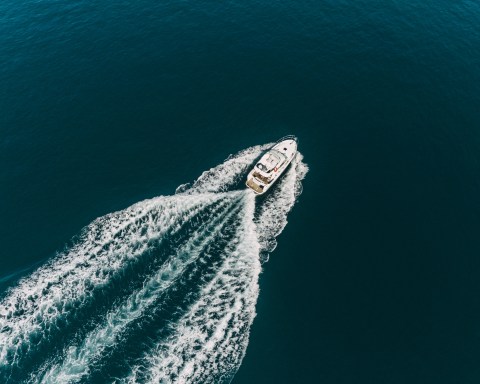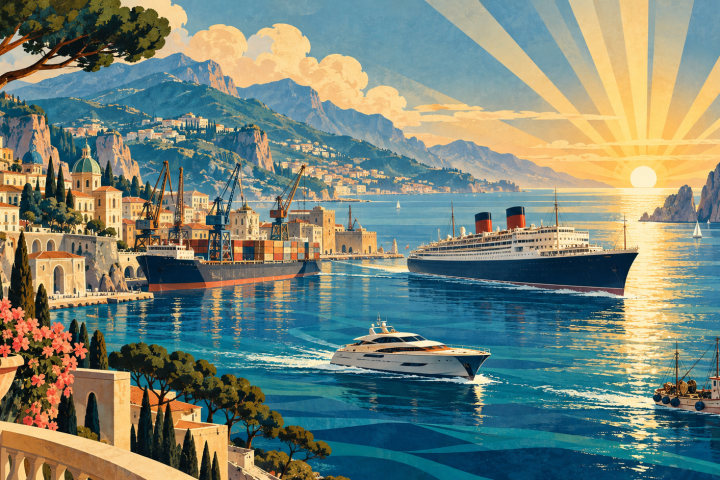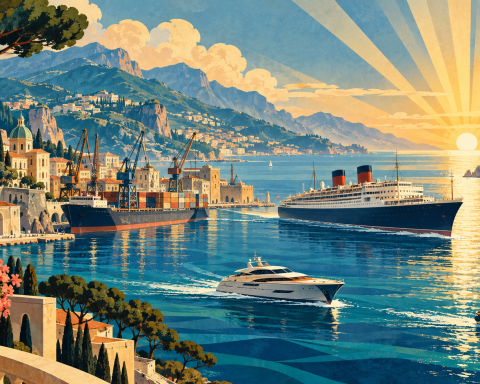



If a traveler were to entirely base their understanding of the legendary Amalfi Coast strictly upon the ubiquitous, heavily filtered, and algorithmically optimized images that endlessly aggressively flood modern social media platforms during the suffocating, scorching months of July and August, they would inevitably, tragically conclude that this magnificent stretch of the Campanian shoreline is nothing more than a chaotic, claustrophobic, and entirely artificial playground exclusively designed for the global ultra-rich, a glittering, gridlocked inferno of massive, diesel-belching superyachts, impossibly crowded, aggressively overpriced beach clubs, and an endless, agonizingly slow-moving parade of luxury rental cars desperately navigating the terrifyingly narrow, serpentine curves of the legendary State Road 163. However, to accept this frantic, heavily commercialized, and deeply exhausting summer narrative as the absolute, definitive truth of the region is to completely and unforgivably miss the profoundly authentic, achingly beautiful, and fiercely guarded soul of the coast, a secret, deeply historical essence that exclusively, miraculously reveals itself during the incredibly brief, fiercely fragile, and intoxicatingly quiet meteorological window of the early Italian spring. From the very last, shivering, rain-soaked days of March until the tentative, increasingly warm mid-point of May, before the colossal, multi-story international cruise ships finally drop their massive, rusting iron anchors in the deep waters of the Gulf of Salerno and the frantic, multi-national hordes of day-trippers violently descend upon the fragile, ancient cobblestones of Positano and Amalfi, the coastline belongs entirely, unapologetically, and fiercely to the locals. It is precisely during this silent, breathtakingly pristine epoch of the year that the true, dizzying, and violently vertical architecture of the Lattari Mountains can be properly, reverently appreciated, entirely stripped of the distracting, superficial gloss of the peak tourist season, allowing the incredibly sharp, crystalline, and hyper-oxygenated springtime light to aggressively illuminate the staggering, impossible geometry of a landscape where human civilization has stubbornly, miraculously, and beautifully clawed its way directly into the sheer, plunging, and unyielding limestone cliffs that aggressively dominate the impossibly blue, violently churning, and perfectly pristine waters of the Tyrrhenian Sea. To visit the Amalfi Coast in this specific, fiercely guarded seasonal vacuum is to witness a profound, deeply emotional, and almost geological awakening, a masterclass in raw, unadulterated color contrast where the absolute, undisputed protagonist is not the transient, superficial glamour of the visiting elite, but the raw, visceral, and intoxicating power of the awakening natural world.
The Vertical Golden Harvest
The absolute, undeniable, and universally recognized visual and olfactory signature of this miraculous springtime resurrection is the triumphant, intensely vibrant, and wildly fragrant explosion of the Sfusato Amalfitano, the incredibly large, astonishingly sweet, and phenomenally thick-skinned local lemon that stubbornly, beautifully clings to the dizzying, terrifyingly steep, and historically protected terraced gardens known locally, with profound respect, as the macere. To casually observe these brilliant, glowing, and impossibly yellow orbs cascading aggressively down the dark, rocky mountainsides toward the crashing, sapphire-blue surf is to witness a staggering, breathtaking miracle of pure, unadulterated color theory, a violent, beautiful juxtaposition of searing, blinding yellow against the dark, glossy, and impenetrable emerald green of the dense, highly manicured foliage. Yet, to truly, deeply comprehend the immense, logic-defying, and historically rooted value of this magnificent citrus fruit, one must completely discard the naive, romanticized illusion that these gardens simply grow themselves in effortless, sun-drenched Mediterranean leisure; the cultivation of the Amalfi lemon is, in brutal, uncompromising reality, an act of sheer, agonizing, and terrifying physical endurance, a grueling, multi-generational battle waged entirely by hand by the legendary contadini volanti—the “flying farmers” of the coastline. Because the terrain is so incredibly steep, so impossibly rugged, and so entirely inaccessible to even the most rudimentary, basic modern agricultural machinery, every single, heavy, and meticulously pruned branch must be manually tied to deeply ancient, hand-split chestnut wood pergolas using pliant, freshly cut willow branches, while the actual, backbreaking harvest itself requires these calloused, deeply tanned, and astonishingly agile men and women to physically, precariously balance themselves on incredibly high, narrow, and terrifyingly unstable wooden ladders swaying dangerously in the brisk spring sea breezes. Furthermore, every single, massive, eighty-pound woven basket of freshly harvested, wildly fragrant lemons must be physically, agonizingly carried entirely on the aching, deeply bruised shoulders of the farmers, who must navigate hundreds upon hundreds of incredibly steep, uneven, and slippery ancient stone steps down to the waiting collection points, a punishing, exhausting, and deeply moving testament to human resilience and stubborn, unrelenting agricultural devotion. When the first, incredibly sharp, and intensely aromatic zest of a freshly harvested, perfectly ripe springtime Sfusato is finally, violently scraped and successfully released into the cool, salty morning air, it produces a dizzying, narcotic, and overwhelmingly complex cloud of volatile essential oils that instantly, beautifully defines the absolute, undisputed, and intoxicating scent of the Amalfi awakening, a fragrance so profoundly powerful, so deeply evocative, and so remarkably pure that it instantly reduces any hyper-expensive, synthetically engineered luxury perfume to a mere, pale, and entirely insignificant imitation.
The Ceramic DNA of Vietri
As the blinding, golden, and rapidly warming rays of the early morning sun aggressively violently strike the easternmost, incredibly rugged edge of the coastline, they proudly illuminate the absolute, undisputed, and intensely colorful capital of the region’s ancient, world-renowned ceramic tradition: the magnificent, fiercely working-class, and breathtakingly vibrant town of Vietri sul Mare. Here, the deeply ingrained, passionate, and relentless obsession with vivid, explosive, and unapologetic color transcends the purely botanical realm of the lemon groves and becomes physically, permanently, and spectacularly baked directly into the very architectural DNA, the uneven, winding streets, and the dizzying, sun-drenched plazas of the historic center. The entire, cascading town functions essentially as a massive, open-air, and deeply historical museum of the highly revered majolica craft, an ancient, incredibly complex, and completely unforgiving artisanal process where heavy, damp, and perfectly molded terracotta clay is meticulously coated in a thick, blindingly white, and remarkably opaque stanniferous glaze before being entirely, obsessively, and violently painted entirely by hand by highly skilled, deeply concentrated master artisans. In the incredibly bright, highly clarifying, and totally unpolluted light of the early spring, the staggering, monumental, and fiercely colorful tiled domes of the local parish churches—specifically the iconic, towering, and breathtakingly intricate cupola of the Church of San Giovanni Battista—explode in a dazzling, blinding, and deeply hypnotic mosaic of vivid, intensely saturated canary yellows, deep, mesmerizing sea-greens, and vibrant, explosive cobalt blues, specifically, deliberately engineered by the ancient masters to perfectly, flawlessly mirror the exact, shifting, and incredibly complex hues of the surrounding, dramatic natural environment. To wander aimlessly, completely lost, and deeply captivated through the narrow, incredibly steep, and perpetually shaded vicoli of Vietri during the silent, uncrowded days of April is to be constantly, pleasantly assaulted by a relentless, joyful, and completely unapologetic barrage of painted ceramic artistry; massive, highly detailed, and fiercely colorful tiled murals depicting ancient, sun-baked fishing fleets, mythological, wildly stylized sirens, and simple, deeply comforting scenes of rural, agricultural life are permanently, proudly embedded directly into the rough, crumbling, and beautifully weathered plaster walls of private homes, public fountains, and bustling, fiercely local bakeries. This profound, undeniable, and deeply ingrained cultural imperative to aggressively decorate, to violently reject the severe, melancholic grayness of winter through the aggressive, joyful application of pure, unadulterated, and wildly saturated pigment, is precisely what gives the Amalfi Coast its incredible, undeniable, and deeply emotional visual warmth, a powerful, fiercely human counterpoint to the sublime, terrifying, and utterly indifferent geological grandeur of the massive, looming limestone mountains that constantly, menacingly threaten to push the fragile, colorful towns directly into the churning, deep blue abyss of the sea.
Echoes of a Fierce Maritime Empire
Moving further west along the dizzying, cliff-hugging, and spectacularly serpentine coastal road, the deeply dramatic, violently vertical, and beautifully chaotic urban topography eventually violently funnels down into a surprisingly narrow, intensely strategic, and incredibly deep ravines, revealing the ancient, proudly aristocratic, and fiercely historical heart of the entire region: the magnificent, deeply atmospheric, and undeniably monumental town of Amalfi itself. While the frantic, deeply distracted, and heavily sunburned summer tourists generally treat this profoundly important urban center as a mere, highly photogenic backdrop for their rapid, superficial social media consumption, pausing only briefly to quickly consume a melting, heavily overpriced gelato on the crowded steps of the central piazza before rushing back to their air-conditioned tour buses, the incredibly quiet, profoundly still, and beautifully melancholic atmosphere of the early spring allows the modern, intellectually curious traveler to finally, reverently, and deeply engage with the staggering, almost unbelievable historical reality of this place: for several incredibly violent, highly lucrative, and wildly expansive centuries during the turbulent early Middle Ages, this tiny, impossibly constricted, and deeply vulnerable strip of rocky beach was incredibly, defying all geographic logic, the undisputed, fiercely powerful, and technologically advanced capital of one of the absolute greatest, most feared, and most highly respected maritime superpowers on the entire face of the planet. To stand absolutely alone, shivering slightly in the crisp, incredibly fresh spring morning air, beneath the towering, breathtakingly intricate, and fiercely imposing polychrome facade of the magnificent Cathedral of St. Andrew, completely surrounded by the staggering, violently beautiful, and deeply complex architectural fusion of stark, heavy Norman Romanesque severity and the delicate, impossibly intricate, and wildly exotic Moorish-Byzantine arches that explicitly heavily define the adjacent, fiercely beautiful Cloister of Paradise, is to feel the immense, crushing, and deeply romantic weight of a vanished global empire. The absolute, undeniable, and truly monumental scale of Amalfi’s ancient, highly aggressive, and wildly successful geopolitical ambition is perhaps best, most powerfully, and most viscerally understood by physically stepping directly into the dark, cavernous, and intensely echoing stone vaults of the Antico Arsenale della Repubblica, the absolute, incredibly rare, and magnificently preserved medieval shipyards where the terrifying, massive, and invincible wooden war galleys that successfully, aggressively dominated the incredibly lucrative and highly dangerous trade routes of the Mediterranean, the Byzantine Empire, and the distant, exotic shores of North Africa were once frantically, aggressively, and brilliantly constructed by thousands of highly skilled, deeply calloused shipwrights. In the profound, heavy, and intensely evocative silence of the Amalfi spring, far removed from the deafening, relentless cacophony of the summer crowds, one can almost physically hear the ghostly, rhythmic, and terrifyingly loud striking of the heavy iron hammers against the massive, seasoned oak planks, a profound, deeply moving, and undeniably powerful auditory hallucination that successfully, beautifully connects the serene, impossibly picturesque modern reality of the coastline to its fierce, violent, and deeply consequential historical past.
The Intoxicating Path of the Gods
For the truly intrepid, highly motivated, and physically capable traveler, the absolute, undeniable, and ultimately supreme physical manifestation of the Amalfi Coast’s violent, breathtaking, and deeply spiritual springtime awakening cannot be fully experienced down at the crowded, highly manicured, and deeply commercialized sea level, but rather requires a grueling, agonizing, and ultimately transcendent vertical ascent high up into the rugged, fiercely inhospitable, and deeply silent realm of the ancient, heavily eroded limestone peaks. Here, suspended impossibly, precariously, and incredibly beautifully thousands of feet directly above the shimmering, perfectly still, and vast expanse of the incredibly blue Tyrrhenian Sea, lies the legendary, fiercely beautiful, and globally revered Sentiero degli Dei—the Path of the Gods—an ancient, wildly rugged, and incredibly demanding shepherd’s trail that spectacularly, violently traverses the terrifyingly steep, plunging cliffs between the tiny, isolated, and deeply rural mountain hamlets of Agerola and the impossibly glamorous, beautifully colorful, and deeply aristocratic coastal enclave of Positano. To hike this staggering, physically exhausting, and visually overwhelming trail during the intense, highly volatile, and wildly blooming months of April and May is to completely, violently, and joyously subject oneself to a masterclass in pure, unadulterated, and wildly aggressive botanical chaos; the entire, normally arid, and deeply scorched limestone landscape miraculously, violently erupts into a staggering, deeply fragrant, and intensely colorful carpet of fierce, blooming Mediterranean scrub. The air at this dizzying, highly oxygenated, and deeply silent altitude is incredibly crisp, remarkably thin, and almost aggressively, overwhelmingly saturated with the deeply resinous, highly medicinal, and deeply intoxicating scents of wild, blooming rosemary, crushed, pungent thyme, and the sweet, incredibly dense, and highly narcotic perfume of the brilliant, blindingly yellow ginestra (Spanish broom) bushes that stubbornly, beautifully cling to the absolute, terrifying edges of the plunging, vertical abysses. As the exhausted, heavily sweating, and deeply elated hiker carefully, meticulously navigates the rough, uneven, and incredibly ancient stone pathways, constantly forced to yield the incredibly narrow right-of-way to heavily laden, deeply sure-footed, and fiercely independent pack mules carrying vital agricultural supplies to the isolated, high-altitude vineyards, the absolute, undeniable, and staggering reward for this immense physical exertion continuously, violently unfolds at every single, highly exposed, and deeply dramatic turn: an absolutely uninterrupted, breathtakingly vast, and wildly panoramic view of the entire, highly jagged, and deeply spectacular coastline sweeping dramatically, majestically southward toward the distant, hazy, and highly mythological silhouette of the island of Capri, its massive, iconic Faraglioni rock formations rising aggressively, violently, and beautifully from the deeply sparkling, impossibly cobalt-blue waters like the petrified, silent, and immensely powerful teeth of ancient, deeply forgotten sea monsters.
The Valley of Mills and Artisans
Yet, the profound, incredibly diverse, and deeply historical soul of the Amalfi spring is absolutely not exclusively confined to the blinding, highly exposed, and wildly dramatic sun-drenched cliffs; it equally, vitally, and deeply mysteriously thrives deep within the dark, incredibly lush, and fiercely hidden geological folds of the coastline, specifically within the deeply shaded, remarkably cool, and incredibly humid confines of the Valle delle Ferriere. This deep, plunging, and intensely atmospheric gorge, located directly behind the bustling, historic center of Amalfi, is an absolute, undeniable, and radically different botanical and historical universe, a deeply secretive, fiercely protected, and incredibly ancient micro-climate where the deafening, relentless, and incredibly powerful roar of the Canneto river aggressively violently cascades over deeply moss-covered, perfectly smooth boulders, creating a constant, heavy, and deeply refreshing veil of thick, cold mist that successfully, miraculously sustains a staggering, highly prehistoric, and deeply fragile ecosystem of massive, incredibly rare giant ferns and wild, highly delicate carnivorous plants that have remarkably, stubbornly survived completely intact entirely since the deeply ancient, highly distant epoch of the last Ice Age. Historically, this immense, relentless, and wildly aggressive hydraulic power was ingeniously, highly industriously, and fiercely harnessed by the ancient, highly entrepreneurial citizens of Amalfi to drive the massive, heavy, and violently rhythmic wooden mechanisms of the legendary, deeply historical paper mills that once thickly, densely populated the entire, echoing valley floor. Today, in the quiet, deeply respectful, and highly focused atmosphere of the spring, dedicated, fiercely passionate, and highly skilled local artisans still miraculously, stubbornly operate within these ancient, deeply damp, and fiercely historic stone structures, meticulously, agonizingly preserving the deeply revered, highly complex, and entirely manual production of the legendary Charta Bambagina, a phenomenally heavy, incredibly luxurious, and fiercely expensive handmade paper crafted entirely, meticulously from pure, highly refined cotton and linen rags, creating a deeply tactile, highly textured, and undeniably magnificent physical product that proudly, aggressively serves as the ultimate, definitive proof that the true, enduring luxury of the Italian coast is absolutely not the flashy, superficial, and easily purchased consumerism of the modern global elite, but the deep, highly manual, and fiercely traditional artisanal perfection forged through centuries of unbroken, highly localized human labor.
The Pristine Culinary Canvas
Ultimately, it is absolutely impossible to completely, deeply, and truly fully comprehend the profound, wildly optimistic, and deeply energetic reality of the Amalfi awakening without intimately, joyously, and hungrily engaging with the magnificent, incredibly vibrant, and fiercely seasonal explosion of the local, highly traditional culinary landscape. Long before the massive, deeply generic, and highly commercialized international supply chains aggressively mobilize to artificially, violently sustain the immense, heavily demanding, and largely undiscerning gastronomic needs of the peak summer tourist crowds, the deeply authentic, highly traditional springtime tables of the coastline are entirely, unapologetically, and fiercely dominated by the raw, highly unadulterated, and phenomenally intense flavors of the immediate, violently awakening local terroir. In the fiercely authentic, deeply working-class, and highly revered fishing village of Cetara, the absolute, undisputed, and globally recognized capital of the Italian anchovy fleet, the cold, deeply nutrient-rich, and highly active spring waters yield a massive, silvery, and highly prized harvest, heavily heavily supplying the deeply ancient, intensely aromatic, and fiercely traditional production of the legendary Colatura di Alici, a profoundly umami-rich, intensely amber-colored, and phenomenally complex fermented fish sauce that traces its direct, unbroken, and highly historical lineage directly back to the deeply prized garum of the ancient, highly gluttonous Roman emperors, a liquid, intensely salty, and fiercely concentrated gold that violently, beautifully elevates a simple, steaming, and perfectly al dente plate of artisanal spaghetti into a profound, deeply emotional, and wildly complex gastronomic masterpiece. Simultaneously, high up in the cool, remarkably quiet, and deeply agrarian hills above the glamorous, fiercely crowded coastal towns, the deeply damp, incredibly fertile, and highly terraced spring soils eagerly, violently yield their absolute finest, most delicate, and deeply sweet botanical treasures: tender, incredibly fragile wild asparagus fiercely foraged from the dark, damp underbrush of the chestnut forests, sweet, intensely highly flavorful baby zucchini and their massive, brilliant, and incredibly delicate orange blossoms, perfectly, expertly stuffed with incredibly fresh, highly tangy local ricotta cheese and quickly, violently fried to absolute, shattering, and intensely golden perfection, and the crisp, intensely acidic, and wildly refreshing local white wines, violently heavily deeply heavily heavily heavily heavily heavily heavily heavily extracted directly from the deeply ancient, fiercely stubborn, and highly heroic indigenous grape varieties like Falanghina, Biancolella, and Ripolo, creating a profoundly joyous, intensely colorful, and deeply vibrant culinary symphony that absolutely, perfectly, and joyously reflects the wild, unstoppable, and intensely optimistic energy of the coastal spring. To physically sit, deeply relaxed, and intensely present on a quiet, sun-drenched, and wildly blooming terrace in Positano or Ravello during the incredibly precious, fleeting, and highly pristine month of May, slowly, reverently consuming these magnificent, fiercely local, and intensely seasonal ingredients while gazing out over the vast, shimmering, and deeply silent expanse of the perfectly blue Tyrrhenian Sea, completely entirely devoid of the massive, noisy, and heavily polluting mega-yachts of the approaching summer, is to finally, deeply, and truly experience the absolute, ultimate, and undeniably supreme iteration of the Italian dolce vita, a profound, intensely beautiful, and deeply moving realization that the true, enduring, and fiercely guarded soul of the Amalfi Coast is absolutely not a widely mass-produced, heavily consumed, and easily forgotten commodity, but a deeply fragile, remarkably brief, and wildly colorful masterpiece that must be respectfully, quietly, and hungrily chased before it inevitably, tragically, and beautifully fades away into the intense, suffocating, and fiercely crowded heat of the deep Mediterranean summer.
Discover more from The Ambassador
Subscribe to get the latest posts sent to your email.