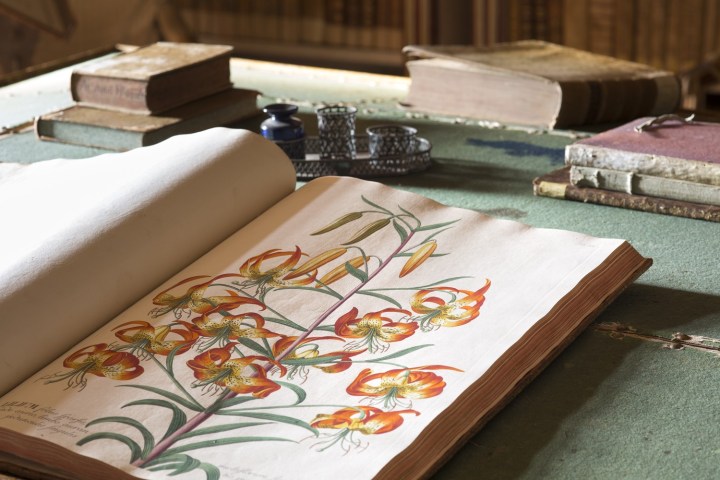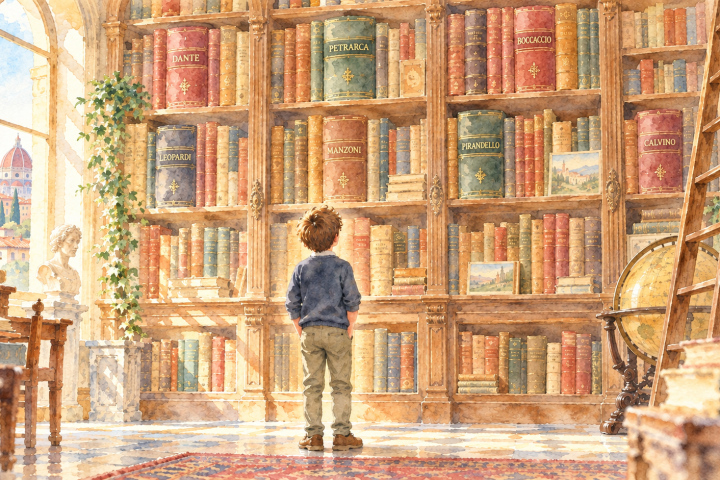


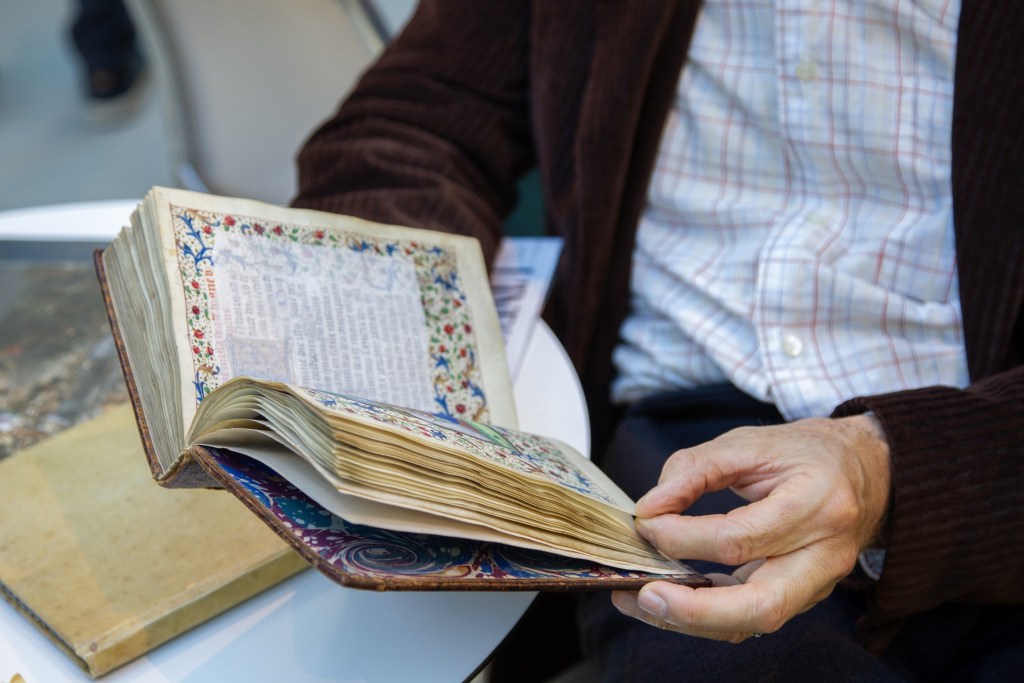
A corrected manuscript, an atlas that redraws the known world, a puzzle book made for curious minds: the appeal of a rare book often begins with what makes a particular copy worth looking at closely. At Villa Necchi Campiglio in Milan, those encounters will take center stage from October 23 to 25, 2026, when the Mostra del Libro Antico e Raro returns for its third edition.
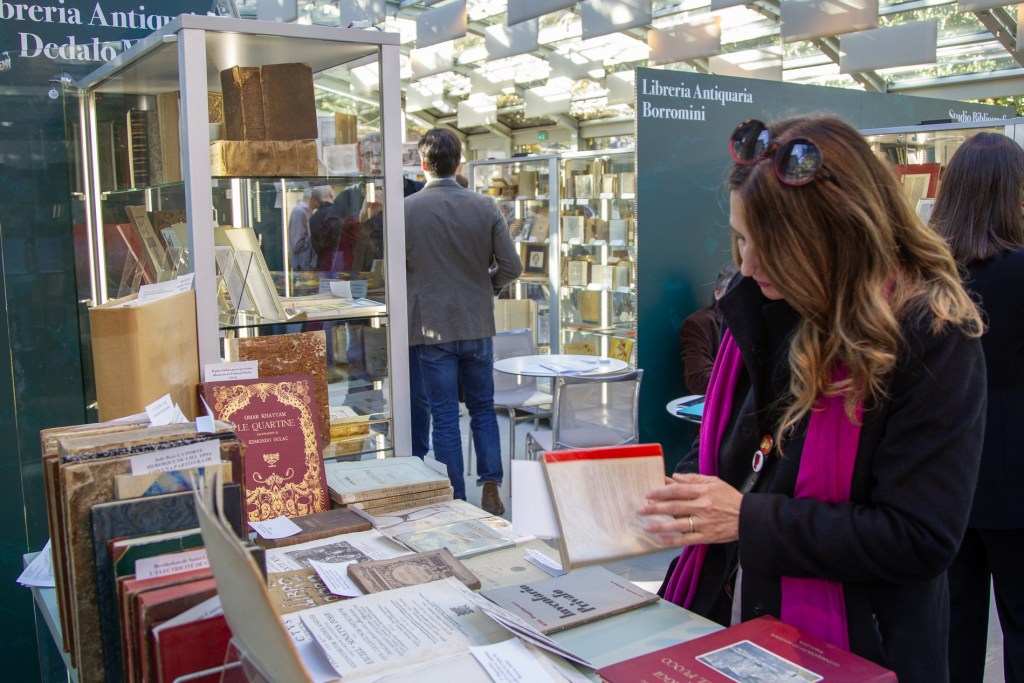
Organized by FAI, the Italian nonprofit foundation dedicated to protecting historic buildings, art, and landscapes, in collaboration with the Italian Antiquarian Booksellers’ Association, ALAI, the fair will bring together more than 40 Italian and international exhibitors. Visitors will be able to view and purchase manuscripts, early printed books, first editions, illustrated volumes, maps, prints, and works on paper.
The range makes room for readers whose interests extend well beyond collecting. Literature, geography, science, art, and everyday amusements appear through objects that preserve the choices of writers, printers, engravers, binders, and previous owners.
Proust, Goya, and a Poet at Work
Among the literary highlights, Parisian dealer Librairie Clavreuil will present a complete first-edition set of Marcel Proust’s À la recherche du temps perdu, published between 1913 and 1927, in 13 volumes bound by Gruel. Alongside it will be the first edition of Victor Hugo’s Les Misérables, published in Brussels in 1862, in ten volumes retaining contemporary bindings.
Clavreuil will also bring a first edition of Francisco Goya’s Los Caprichos, the series of 80 prints published in Madrid in 1799. Its attacks on superstition, social folly, and abuses of power give the display a different register: the printed page becomes an instrument of satire as well as a vehicle for storytelling.
For a closer encounter with writing in progress, Turin’s Libreria Antiquaria Pregliasco will offer Giosuè Carducci’s autograph draft of Giacomo Leopardi deputato, an article from 1896. Corrections, alternative wording, and passages omitted from the printed version allow visitors to follow the text before it assumed its published form. The manuscript connects two major figures in Italian literature while preserving the practical work of revision, the decisions a finished page usually conceals.

Mapping an Expanding World
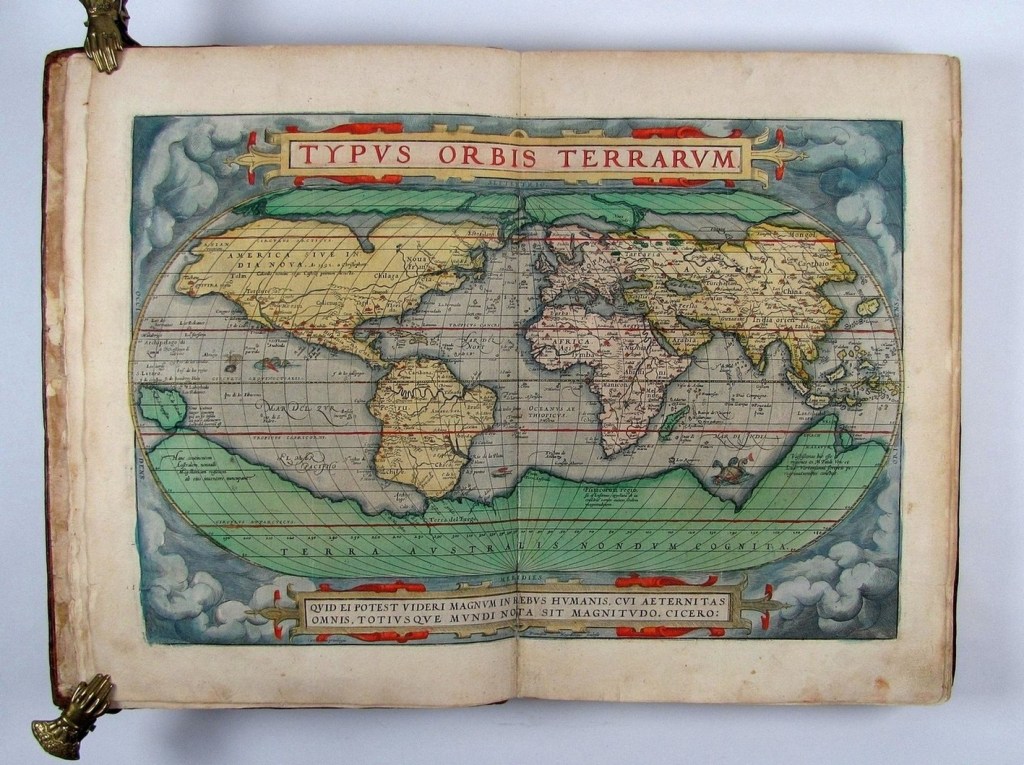
Historical atlases offer another way to read the past. German exhibitor Antiquariat F. Neidhardt will present a Strasbourg edition of Ptolemy’s Geographicae enarrationis libri octo, published in 1525 and illustrated with 50 woodcut maps. It includes an early printing of Lorenz Fries’s map using the name “America” for the New World.
The same dealer will bring the first German-language edition of Abraham Ortelius’s Theatrum oder Schawplatz des Erdbodems, published in Antwerp in 1572–1573, with 69 maps colored by hand at the time. Seen together, these works invite attention to the ways geographical knowledge was assembled and made visible: names, borders, coastlines, lettering, and color all contribute to an image of the world.
Milan itself will appear in Ladislao Rupp’s Raccolta di ventiquattro vedute di Milano, published in 1833 and offered by Parisian dealer Fuad Audi. Its hand-colored engraved views record the city’s monuments and recognizable places through an earlier visual language. Maspero Libri Antichi, from Como, will explore a different aspect of urban life through statutes and constitutions of Milanese guilds dating from the sixteenth to the eighteenth century.
From Medici Spectacle to Seven Pieces of a Puzzle
Some of the most intriguing exhibits sit outside the familiar territory of literary first editions. Naples-based Studio Bibliografico Bruno Pucci will present Il Mondo Festeggiante, published in Florence in 1661. The volume commemorates the marriage of Cosimo III de’ Medici and Marguerite Louise d’Orléans through an equestrian spectacle staged in the Boboli Gardens, preserving a court celebration in printed form.
Studio Bibliografico Antonio Zanfrognini will bring Giambattista Bodoni’s Manuale Tipografico, published in Parma in 1818. Here, the design of letters becomes the subject itself, offering visitors an opportunity to consider the proportions and formal decisions behind an elegantly printed page.
A smaller publication turns attention toward play. Libri nel Borgo will exhibit Al gioco cinese chiamato il rompicapo, an 1818 Florentine booklet devoted to tangram. Twelve sepia-engraved plates provide 133 figures to construct from the puzzle’s seven pieces, including letters, numbers, animals, and human figures. Alongside monumental atlases and richly illustrated ceremonial books, it records a quieter use of print: teaching someone how to spend an absorbing afternoon.
A Modern Milanese Home for Historic Books
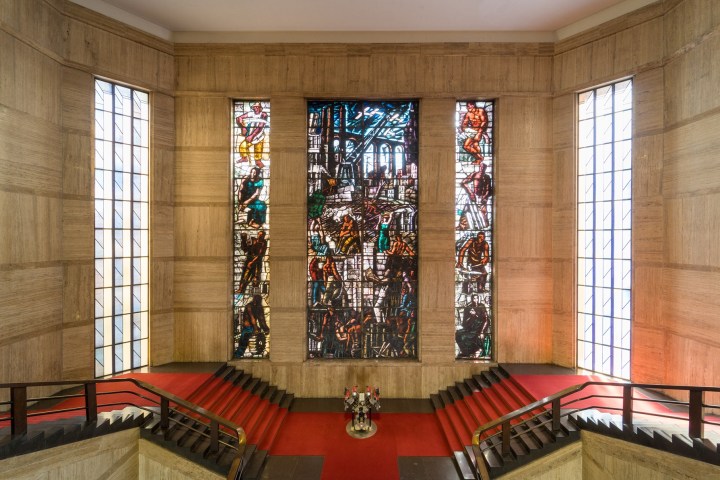
Villa Necchi Campiglio provides a distinctive setting for these encounters. Designed by Piero Portaluppi and built between 1932 and 1935 for Angelo Campiglio, his wife Gigina Necchi, and her sister Nedda, the house reflects the tastes and ambitions of Milan’s industrial upper middle class.
Its architecture combines carefully composed reception rooms with the infrastructure of a thoroughly modern home. A separate staircase served the domestic spaces, while a swimming pool and tennis court extended daily life into the garden. Parts of the interiors were subsequently reworked by architect Tomaso Buzzi, adding another chapter to the building’s design history. ordinearchitetti.mi.it
For visitors choosing a combined ticket, the fair can therefore become an occasion to explore the villa as well as the books, moving between the history of printed objects and the spaces of twentieth-century Milanese life.
Caring for Paper and Writing by Hand
The accompanying program turns from looking at objects to understanding how they are preserved and made. On Saturday, October 24, at 11 a.m., conservator Elena Allodi will lead Restaurare un’opera di carta, a session on the conservation of works on paper and parchment. The free-access talk will also introduce restoration work involving drawings from the Guido Sforni Collection and the Portaluppi Archive displayed at the villa.
On Sunday, October 25, at 2 p.m. and 4 p.m., gallerist and calligrapher Jean Blanchaert will lead Abc: laboratorio di scrittura manuale. The 75-minute workshop, recommended for ages 12 and up, will introduce calligraphic tools and techniques and give participants time to practice. Reservations and a separate paid ticket are required.
Planning Your Visit
The Mostra del Libro Antico e Raro takes place at Villa Necchi Campiglio, Via Mozart 14, Milan. Opening hours are Friday, October 23, from 2 to 7 p.m.; Saturday, October 24, from 10 a.m. to 7 p.m.; and Sunday, October 25, from 10 a.m. to 6 p.m.
Fair-only admission costs €5, with reduced admission of €4 for FAI members and eligible concessions. Entry is free for visitors under 19 and visitors with disabilities. Combined admission to the fair and villa costs €18 at the standard rate, €12 for students ages 19–25, and €9 for ages 6–18; FAI members and eligible concessions pay €4. Children under six and visitors with disabilities enter free.
Calligraphy workshop tickets cost €28 at the standard rate, with reductions available. Full booking details and eligibility conditions are available through the official Villa Necchi Campiglio website. Information is also available at +39 02 76340121 or fainecchi@fondoambiente.it.
Discover more from The Ambassador
Subscribe to get the latest posts sent to your email.