
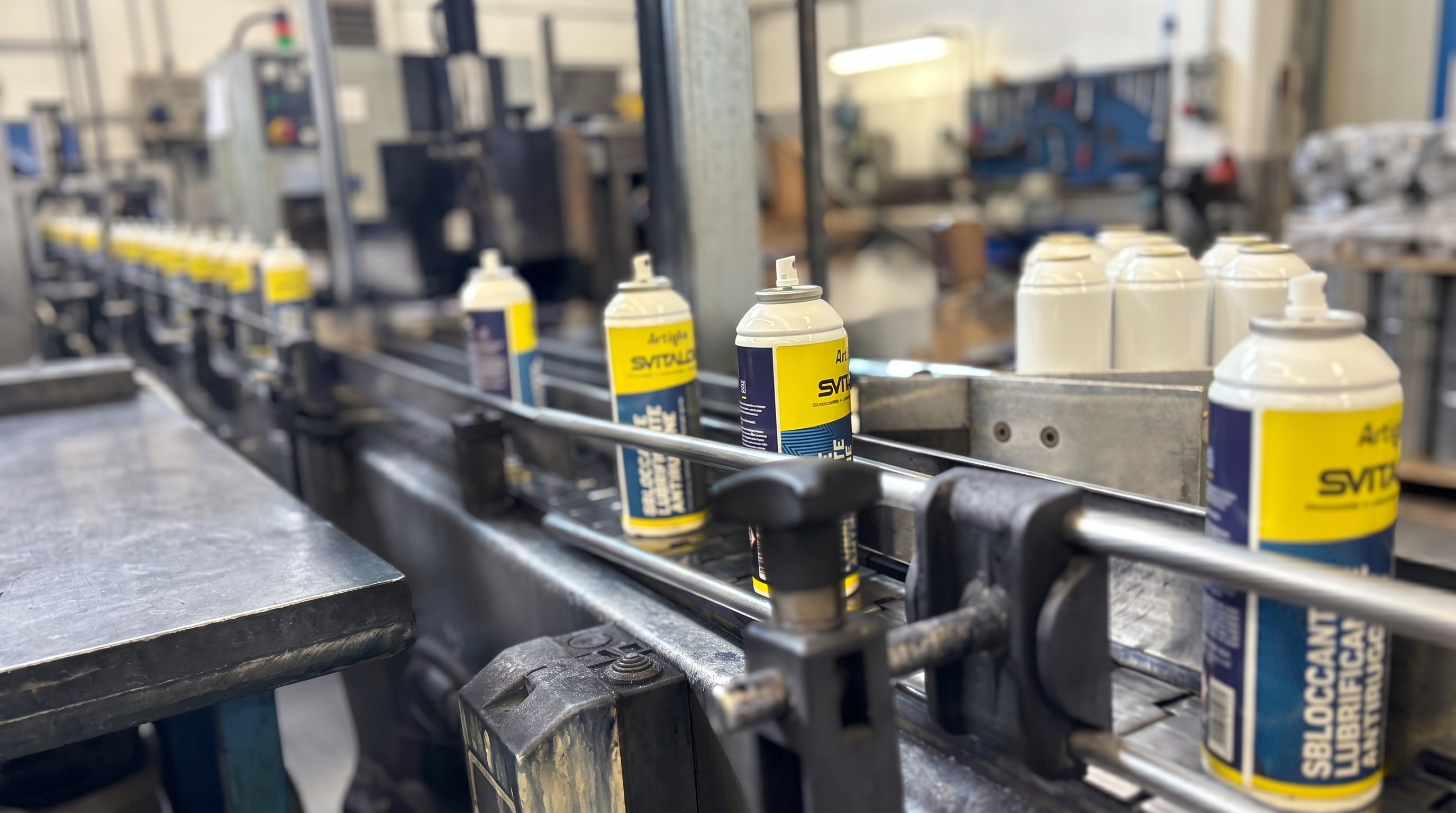
There’s a word that’s often overused when discussing Italian entrepreneurship: “resilience.” Yet, if you look at the history of Wilbra, a company founded in 1951 in Desio by Giuseppe Fossati, resilience isn’t an abstract concept, but the very material their products are made of. Whether it’s the famous Artiglio glue, an inseparable companion of generations of shoemakers and artisans, or their premium lines for leather care, dyeing, and finishing, the Brianza-based company has endured seventy years of economic and social change while maintaining its identity. A recent episode of the Challenge podcast shed light on this fascinating manufacturing company, which is currently undergoing a profound and vital transformation under the leadership of Nicola Fossati, a member of the third generation.
Listening to his vision, the portrait emerges of a company that refuses to rest on its laurels. While his father Cesare had consolidated industrial leadership since 1979, today Nicola finds himself managing a dual challenge: maintaining technical excellence in a demanding B2B sector (such as footwear and leather goods production) and, at the same time, opening the doors to new languages, boldly looking to the world of DIY and private consumers.
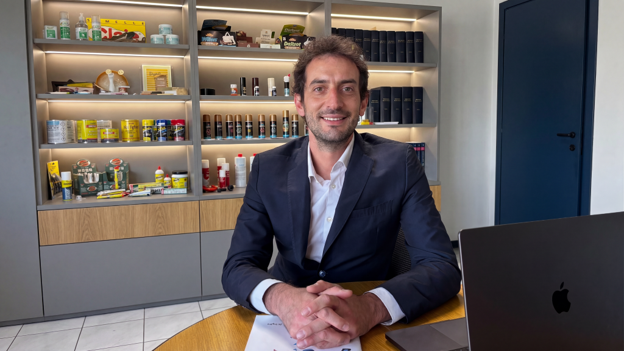
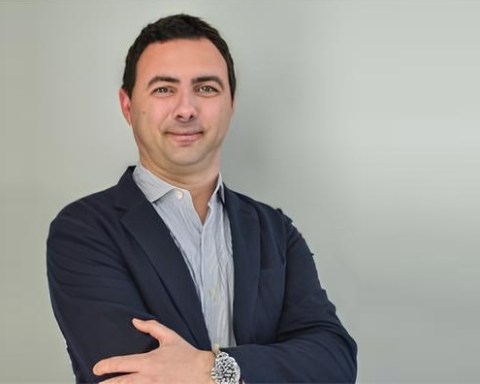
Mr. Fossati, Wilbra is a historic brand that has been a staple in the leather and hide industry since 1951. You represent the third generation at the helm of the company, taking over from your father, Cesare. From a managerial and human perspective, how do you balance the weight of such an important legacy with the urgency of innovating to remain competitive in a rapidly changing market?
«I’ve always felt a deep sense of responsibility, so much so that I chose not to inherit it, but to buy all the shares, both from my father and my aunts, who were partners since the company was a limited partnership. From there, I transformed it into an LLC and we threw ourselves into this new adventure. This choice stems from a deep sense of responsibility and entrepreneurship tied to this idea. It’s important to take on responsibilities: they’re beautiful when they bring out the best in you, fueling commitment, the desire to grow the company, and to prove that it was the best choice. All of this drives you to give your all and, consequently, bring out the best in everyone around you. This journey of corporate, strategic, and cultural transformation is never accomplished alone. It requires vision, but also solid foundations, discipline, and trusted partners who can translate entrepreneurial ambition into structured reality. For this reason, I wish to express my deepest gratitude to Dr. Enrico Caloni, a friend, President, and accountant of my companies. His strategic support, expertise, and constant guidance in the transition from S.a.s. to S.r.l. have been—and continue to be—fundamental pillars for Wilbra’s growth and the success of this new adventure.»
This evolutionary drive has led Wilbra to expand its horizons well beyond the traditional confines of industry and professional craftsmanship. Historic products, originally formulated to ensure the exceptional performance required by major companies in the sector, are now also available in the homes of private individuals and hobbyists. However, addressing the end consumer requires a profound strategic paradigm shift: it’s not enough to diversify formats or product lines; we must revolutionize corporate language, making what was previously strictly technical accessible.
You have a strong industrial and B2B core, but you have recently decisively opened up to the B2C and DIY markets, making your chemical excellence available to the general public. What are the operational and communication pitfalls of combining two such different souls within the same brand positioning?
«The fundamental challenge was the market shift. In the past, the Artiglio tube was known and sold primarily by wholesalers or shoemakers, who advised customers on small repairs. Today, with the gradual disappearance of these professional figures, there has been a significant shift toward the DIY market. For this reason, the company has had to change its communication methods. We need to leverage social media, the website, and the media to raise our profile and, above all, to be able to explain the technical nature of certain products directly to the private consumer, using new and accessible language.»
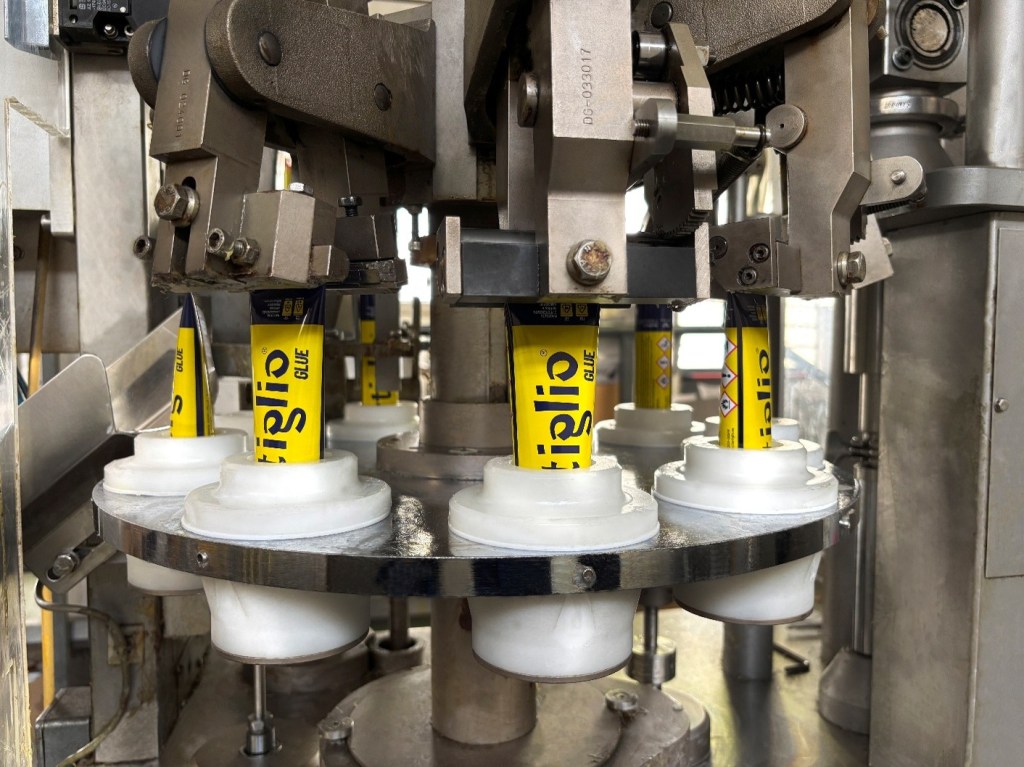
In this pursuit of new communication channels, the company has demonstrated its ability to adapt to modern times with unconventional initiatives. A prime example is the “Rulof Missione Artiglio” project, a web series created in collaboration with a well-known YouTuber and inventor, which combines the use of the historic glue with the themes of creative recycling. This isn’t just a simple digital marketing effort, but the promotion of a true ethical philosophy: in an age dominated by disposable consumerism, teaching people how to repair, care for, and revitalize objects becomes a powerful and concrete act of sustainability.
With your new digital campaigns, you’re communicating a fundamental concept to a very young audience: repairing and caring for things is better than throwing them away. How can a manufacturing company like yours convey such a profound sustainability message, transforming its products into tools for educating people about the value of objects?
«I believe this is a basic entrepreneurial principle: it’s never just about numbers and revenue, but about the values you bring to your work and to your customers. What really fascinated me about the Rulof project wasn’t just the type of communication or the collaboration with a brilliant YouTuber, who brought us so many new ideas and made us see things from a different perspective. The project also includes a close collaboration with Daniele Cassioli, a multiple-medal Paralympic athlete, and his association. Through Rulof and in collaboration with ISIA ROMA DESIGN, students Jessica and Federica, supervised by Andrea Ratti and his communications company PIXELA SRL, this project will lead to the creation of a game for blind children that we hope will truly make a difference. So we’re not just talking about recycling and reusing materials: we’re undoubtedly launching a branding campaign, but with a profoundly beneficial purpose. It’s the values you bring to your business that make the difference, not just the revenue.»
Leading this transition—ranging from traditional chemical laboratories to social media platforms—requires leadership capable of interpreting the myriad nuances of a complex society, without ever compromising on total quality. It is precisely in this complex synthesis of artisanal love for the material and an unprejudiced openness to new media that the future of Made in Italy lies.
Looking to the future, what is the essential mindset a leader today must possess to govern such a successful family business? Is there a particular lesson passed down to you by your family that you use today as a compass to navigate the uncertainties of the global market?
«A lesson I hold dear, the fruit of a generational shift from my grandfather to my father and then to me, is to always strive to do things as best as possible. Just like in any family business, you have to act like a good father, making quality-oriented choices in the best possible way, without ever compromising. As for my mindset, my main focus is always trying to transform things that may initially seem negative or the difficulties that arise into positive ones. For example, a market crisis or the closure of wholesalers forces you to create new opportunities. Right now, all challenges become opportunities for improvement. The fundamental concept is never to settle, always striving to do more, not only financially, but also in terms of the values and principles shared by me and all my collaborators, to do things as best as possible for everyone.»
In the end, Wilbra’s story teaches us that innovation doesn’t necessarily mean denying one’s past to blindly chase the latest market trend. The real challenge, perhaps the most difficult for those doing business in Italy today, is being able to apply the same tenacity needed to glue two pieces of leather together to build one’s future: carefully combining the experience of those who came before us with the bold vision of those who look forward. Because the value of an organization, just like a masterfully restored object, is destined to last over time only if cultivated with genuine dedication.
Discover more from The Ambassador
Subscribe to get the latest posts sent to your email.