

In February 2026, twenty years after the successful Turin Games, the Olympic flame will return to Italy. This time, however, it will illuminate a far grander stage. The Milano Cortina 2026 Winter Olympics are not a project confined to a single city, but a hugely ambitious national showcase, a geographically vast event designed to connect the dynamic metropolis of Milan with the breathtaking majesty of the Dolomites. As the final full year of preparations begins, the Games represent more than just a two-week sporting competition. They are a profound test of Italy’s organizational capacity, a strategic investment in the future of its mountain territories, and a unique opportunity to present a new, more sustainable model for the Olympics to the entire world.
A New Olympic Model: Sustainability and Heritage
The vision that won the Milano Cortina bid over Stockholm was built on two core principles: sustainability and the use of existing heritage. In an era where the Olympic movement is grappling with the legacy of “white elephant” stadiums and exorbitant costs, the Italian proposal was a breath of fresh air. The plan dictates that over 90% of the venues will be existing or temporary structures, drastically reducing the environmental impact and financial burden of new construction. This is a deliberate and strategic shift, a blueprint for a more responsible and cost-effective Games.
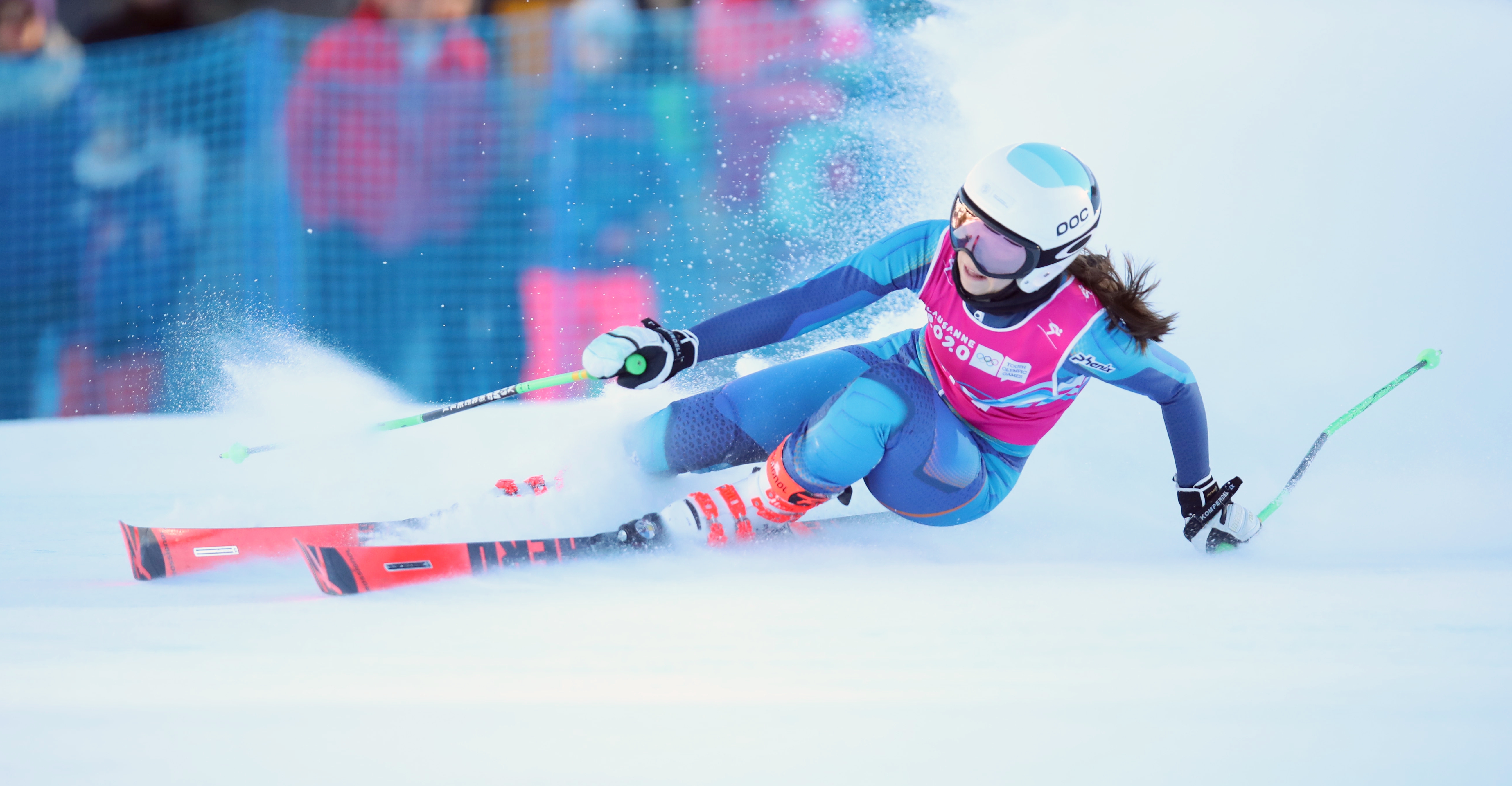
The model is also geographically innovative. Instead of concentrating everything in one place, the Games will be spread across a vast swathe of Northern Italy, creating a regional Olympic festival. The urban heart will be Milan, a global capital of fashion and design, which will host ice hockey, figure skating, and short track speed skating. The historic soul of the Games will be in Cortina d’Ampezzo, the “Queen of the Dolomites,” which previously hosted the 1956 Winter Games and will now welcome alpine skiing, bobsleigh, and curling. Between these two poles, other world-class mountain locations will play a key role: the Valtellina in Lombardy will host snowboarding and freestyle skiing, while the valleys of Trentino will be the stage for cross-country skiing, speed skating, and ski jumping. This widespread model is designed to showcase the diversity of the Italian Alps and to spread the economic benefits across a wider territory.
The State of Play: Preparations and Challenges
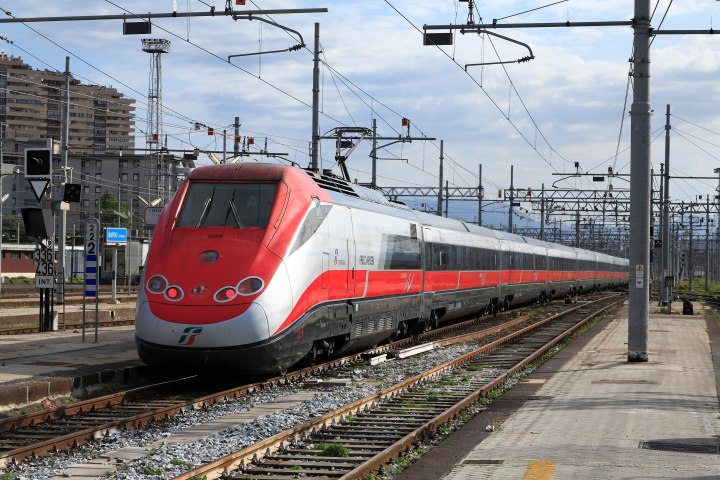
With just over a year to go, the focus is squarely on execution. The primary challenge, as with any Olympics, is infrastructure. Significant investments are being made to upgrade road and rail connections between the various venue clusters, a complex task in a mountainous region. These projects are not just for the Games; they are intended as a long-term legacy to improve connectivity for residents and tourists for decades to come.
While most venues are pre-existing, a few key structures require significant work. In Milan, the main Olympic Village is being constructed on a disused railway yard and is designed from the outset to be converted into much-needed student housing after the Games, a perfect example of planned legacy. The most debated project has been the renovation of the historic Eugenio Monti bobsleigh track in Cortina. After lengthy discussions about costs and environmental impact, a plan for a scaled-down but functional renovation is proceeding, aiming to restore a piece of sporting heritage. There is, as is often the case with large Italian public works, a degree of international skepticism about deadlines. However, organizers point to the success of Milan’s Expo 2015, which overcame initial delays to become a widely praised triumph, as proof of the region’s ability to deliver a world-class event.
The Economic Impact and Corporate Partnership
The economic promise of the Games is immense. The influx of investment is a powerful driver of growth, creating thousands of jobs in construction, hospitality, and event management. The Olympics will act as a two-week-long, high-definition advertisement for Northern Italy as a premier destination for winter tourism, with a projected global television audience in the billions. This is a priceless opportunity to showcase not only pristine ski slopes, but also the entire “Made in Italy” ecosystem: its design, fashion (which will be on display in the team uniforms and official merchandise), and world-renowned culinary culture.
The commercial appeal of the Milano Cortina brand is already evident in the strong portfolio of top-tier corporate sponsors it has attracted. Major Italian and international brands have signed on, eager to associate themselves with the values of performance, style, and the unique blend of metropolitan dynamism and Alpine beauty that these Games represent. This strong corporate buy-in is a vital vote of confidence, providing a significant portion of the operating budget and ensuring the financial viability of the event.
The Question of Legacy
For any Olympic host, the ultimate measure of success is the legacy left behind. For Milano Cortina 2026, the legacy is intended to be multi-faceted. The tangible legacy will be visible in the improved transport links, the new university campus in Milan, and the modernized sporting facilities that will serve athletes and communities for years to come. The intangible legacy will be a renewed sense of national pride and a boost to Italy’s international reputation as a capable and innovative nation. A successful Games can inspire a new generation of children to take up winter sports, strengthening Italy’s position as a leading sporting nation.
Ultimately, however, the most important legacy may be the model itself. If Milano Cortina can successfully deliver a financially responsible, environmentally conscious, and geographically widespread Games, it could set a new standard for the future of the Olympic movement. It could prove that the Olympics do not have to be a burden on a single city, but can instead be a catalyst for the sustainable development of an entire region. As the final countdown begins, the world watches, hoping that Italy can once again blend its innovative spirit with its deep sense of history to deliver a truly memorable Winter Games.
Discover more from The Ambassador
Subscribe to get the latest posts sent to your email.