


The Italian Ministry of Culture has recently unveiled a new cultural festival, “Ierofania – sulle vie del sacro” (Hierophany – on the paths of the sacred), which aims to foster a fresh connection between cultural assets, contemporary languages, and local communities. The event, which successfully launched this past weekend on July 18 in Palestrina, will run until September 27. The title itself, “Ierofania”, is a deliberate reference to the concept developed by the renowned historian of religion Mircea Eliade. For non-Italian readers, a “hierophany” represents the manifestation of the sacred in everyday objects, places, or events. The festival invites the public to rediscover this sense of the sacred as a cognitive experience through a dialogue between different disciplines and contemporary languages.
Journeying Through the Mezzogiorno
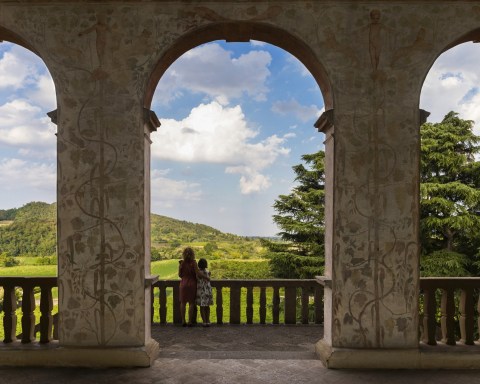
The multidisciplinary tour spans six regions—Lazio, Campania, Puglia, Basilicata, Calabria, and Sicily. This itinerary focuses heavily on the Mezzogiorno, the traditional term for Southern Italy, which is renowned for its deeply stratified historical and archaeological wealth. The festival visits several symbolic locations chosen for their ancient connection to the sacred. These include:
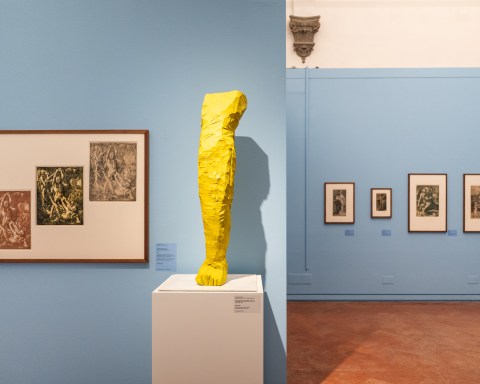
- The Museums and Archaeological Parks of Praeneste and Gabii, where the festival opened with installations by Nicola Verlato. Praeneste, modern-day Palestrina, was home to an immense ancient Roman sanctuary.
- The Archaeological Parks of Paestum and Velia, featuring works by Stefania Pennacchio. Paestum is famous for possessing some of the best-preserved ancient Greek temples in the world.
- The Castle Carlo V and the Roman Amphitheater in Lecce, hosting a concert by Ambrogio Sparagna and the Italian Popular Orchestra.
- The National Museum of Matera, which will display Salvador Dalí’s masterpiece “L’angelo del trionfo”.
- The National Museum and Archaeological Park of Locri.
- The Naxos Taormina Archaeological Park in Sicily.
Each stop offers two days of nationally significant events, including the theater play “Mahābhārata” and poetry readings titled “Pietre che cantano” (Singing Stones) featuring acclaimed actors like Galatea Ranzi, Roberto Latini, and Cinzia Maccagnano. Access to all these appointments is free.
The “Olivetti Plan” and Community Revitalization
The project reflects the strategic vision of Italy’s Minister of Culture, Alessandro Giuli, to make culture accessible and shared, strengthening the bond between territories and cultural identity. The initiative was conceived by the Department for the Valorization of Cultural Heritage (DiVa), led by Alfonsina Russo, and organized by the Central Institute for the Economic Valorization and Promotion of Cultural Heritage (IC-VEPP).
Significantly, the project falls under the umbrella of the “Piano Olivetti per la Cultura” (Olivetti Plan for Culture) managed by General Director Stefano Lanna. This initiative is inspired by Adriano Olivetti, a visionary 20th-century Italian industrialist who believed that businesses and institutions should actively enrich the social, cultural, and spiritual lives of their communities. Lanna emphasizes that in an increasingly pervasive digital ecosystem, events like Ierofania restore a spiritual and relational dimension to the community.
An Aesthetic Dialogue Across Millennia
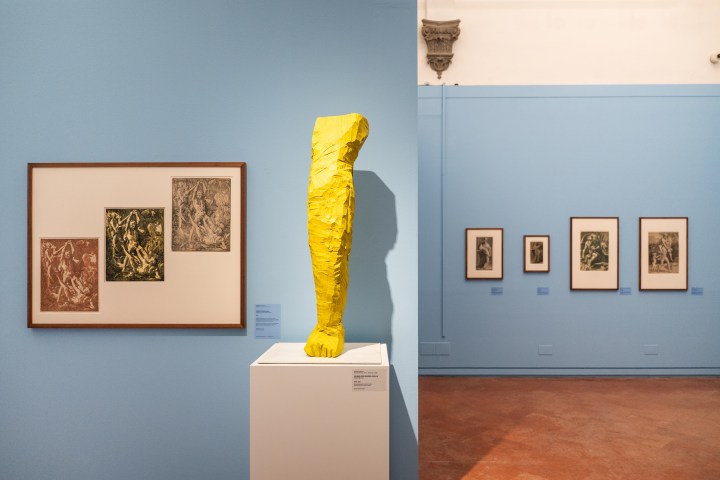
The artistic direction is entrusted to Fulvia Toscano, with Alberto Samonà acting as scientific curator. The contemporary art section, curated by Giorgio Calcara, highlights how modern artistic expression can evoke a vital force that transcends millennia. As Calcara explains, contemporary art continues to renew the aesthetic wonder that has always tied humanity to a higher dimension. Ultimately, this diffuse cultural path invites visitors to reinterpret archaeological heritage not just as historical ruins, but as living places of memory and relation.
Discover more from The Ambassador
Subscribe to get the latest posts sent to your email.