

Two months into the 13th edition of the national census “I Luoghi del Cuore” (Places of the Heart), the non-profit FAI (Fondo per l’Ambiente Italiano) and banking group Intesa Sanpaolo have released the first provisional ranking of Italy’s most beloved local treasures. With over 350,000 votes already submitted—including more than 62,000 physical paper ballots—citizens are building an authentic, grassroots map of hidden landscapes, medieval monasteries, industrial monuments, and ancient caves.
Voting remains open online and through paper ballots until December 15, 2026. Sites that collect at least 3,000 votes earn the right to apply for dedicated restoration grants, while the top three overall winners receive direct funding of €70,000, €60,000, and €50,000 respectively to carry out conservation or enhancement projects.
From Karst Canyons to Prehistoric Caves: The Top Provisional Contenders
The current leaderboard highlights sites that sit far outside typical tourist itineraries, proving how deeply local communities care for their immediate surroundings:
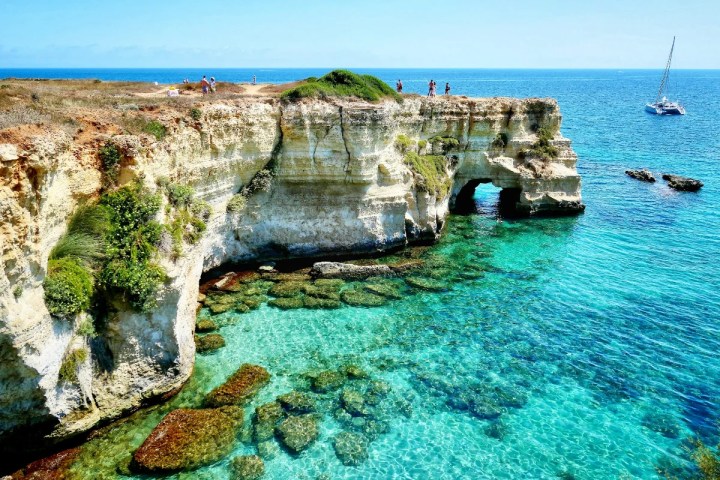
- 1st Place: Lame di Puglia (Apulia): Broad geological erosion channels carved into the karst landscape of central Apulia. Historically serving as drainage channels during heavy rains and biodiversity corridors during dry spells, these natural valleys house cave churches and historic fortified farmhouses (masserie). Today, they face threats from urban sprawl and intensive agriculture.
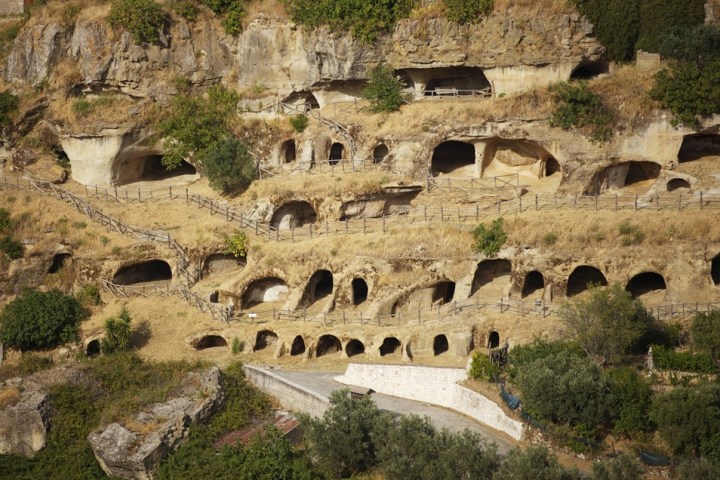
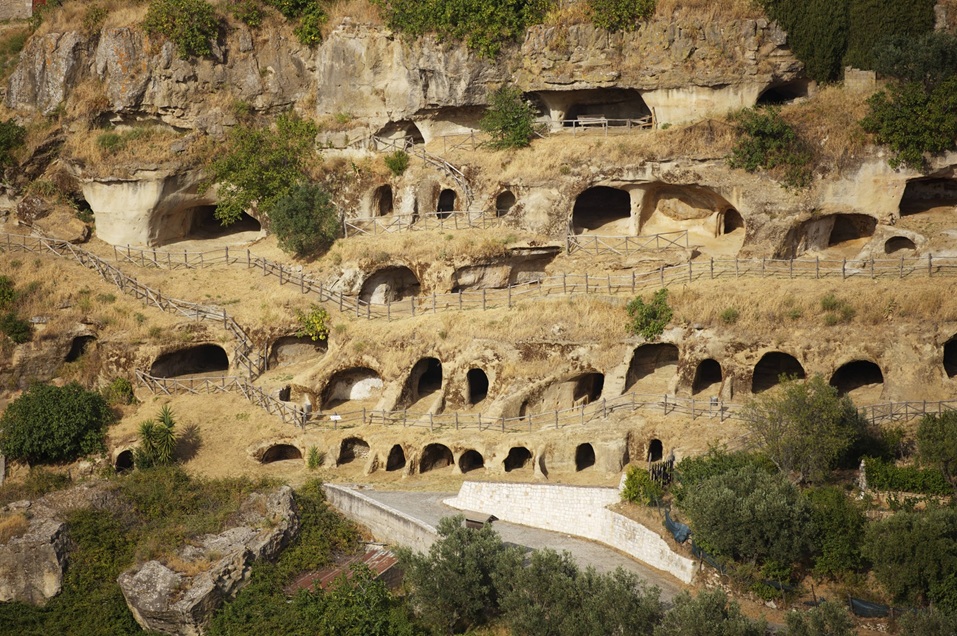
- 2nd Place: Rock Caves of Verzino (Calabria): A prehistoric rock-cut cave settlement at the foot of the Sila mountains. Later inhabited by Byzantine Basilian monks who carved underground cisterns, the complex represents thousands of years of human adaptation.
- 3rd Place: Renacavata Capuchin Convent in Camerino (Marche): Built in 1528, this secluded hillside sanctuary is recognized as the very first monastery of the Capuchin Friars Order. Today, it anchors the 400-kilometer pilgrimage route known as the Cammino dei Cappuccini.
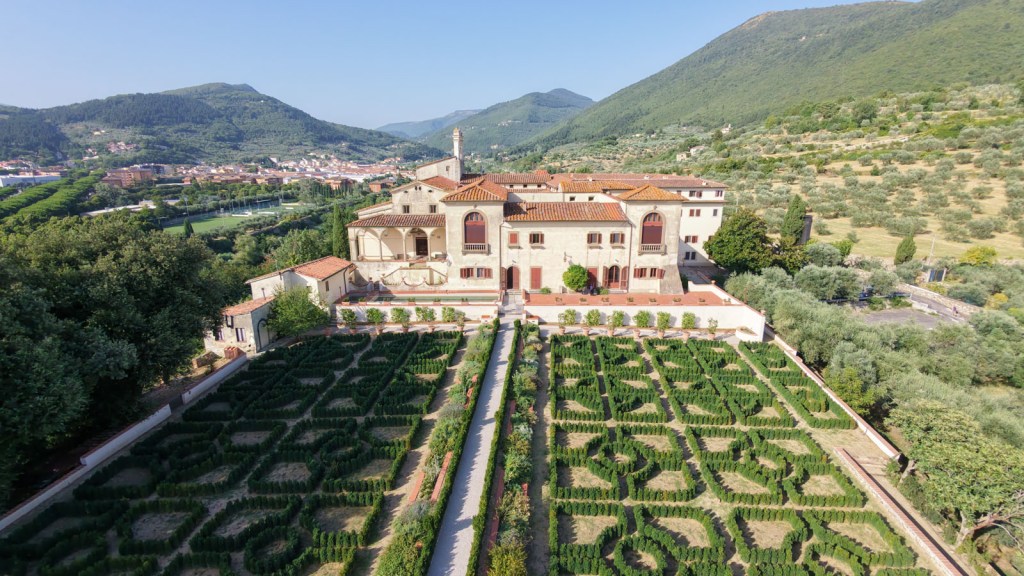
Other top-ten contenders include the 14th-century Villa San Leonardo al Palco in Prato, the Sanctuary of the Seven Churches in Monselice, the 13th-century monastic farm Cascina Monluè in Milan, the 19th-century riveted iron San Michele Bridge over the Adda river, the Convent of San Domenico in Taggia, the structurally fragile Church of San Giovanni Evangelista in Portogruaro, and the Benedictine Abbey of Rodengo Saiano in Franciacorta.
Quirky Landmarks, Industrial Heritage, and Cultural Curiosities
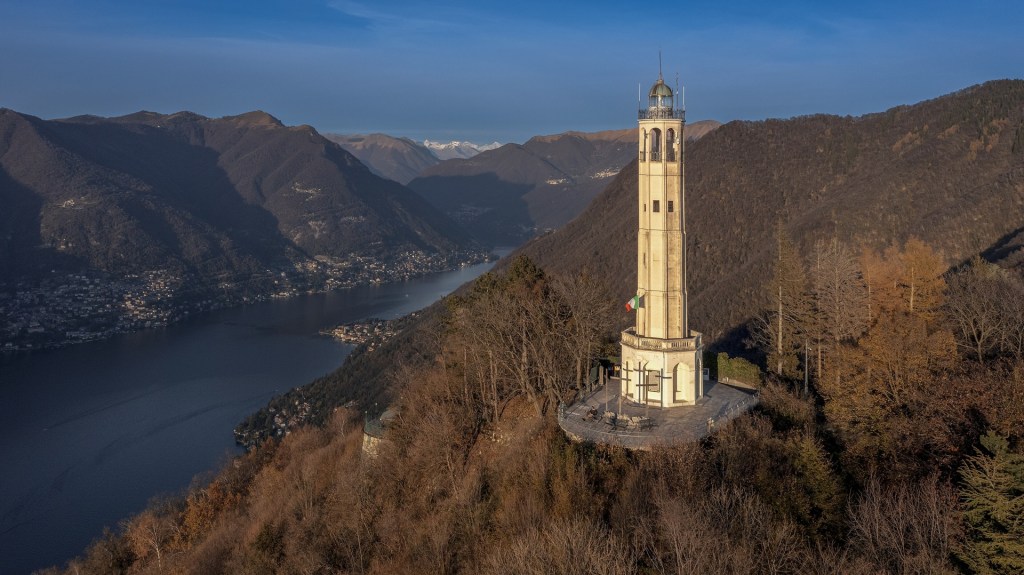
Beyond the top positions, the mid-term results showcase an extraordinary variety of unusual assets that highlight Italy’s rich industrial, military, and architectural history. These include an overgrown World War I-era airship hangar in Augusta, Sicily, the 1889 riveted iron San Michele bridge spanning the Adda river in Lombardy, and a 12th-century coastal fortress at Torre Astura in Nettuno, which is paired in a local voting drive with the neighboring Art Nouveau palace Paradiso sul Mare in Anzio. Even high-altitude landmarks feature on the list, such as the Voltiano Lighthouse in Brunate, standing nearly 1,000 meters above sea level.
The census also celebrates living traditions, urban culture, and natural symbols. Among the most voted sites are Florence’s historic Bottega Filistrucchi, a theatrical wigmaker active for over three centuries, the 19th-century Antica Tipografia Masciangelo printworks in Abruzzo, and Spirit de Milan, a former glassworks factory turned live-music venue currently threatened by an upcoming property sale. Natural icons and historical curiosities round out the standings, including the 300-year-old Quercia di Nottoria oak tree in Norcia and the 1808 Convitto Giordano Bruno school in Caserta, whose grand hall features a massive 720-square-meter 18th-century ceiling painting that even received restoration funding from actor Tom Cruise during the filming of Mission: Impossible III.
Contextual Guide: Understanding the Italian Cultural Framework
To help non-Italian readers navigate the institutional and cultural terms mentioned in the press release:
- FAI (Fondo per l’Ambiente Italiano): The National Trust for Italy, a non-profit foundation established in 1975 to protect, restore, and open to the public historic, artistic, and natural heritage sites across Italy.
- “I Luoghi del Cuore” (Places of the Heart): A biennial initiative launched in 2003 by FAI in partnership with Intesa Sanpaolo bank. It is Italy’s largest citizen-led campaign for heritage preservation.
- Lama (pl. Lame): A specific Italian geographical term denoting a natural, shallow riverbed or canyon typical of the limestone karst plateau (Murge) in Apulia.
- Cascina: A traditional large, self-contained agricultural building or fortified farmstead typical of the Po Valley in Northern Italy.
- Sacro Monte / Devotional Routes: A religious pilgrimage site or chapel complex built on a hillside to recreate the experience of visiting major holy sites (such as Jerusalem or Rome’s major basilicas) for local pilgrims.
- PNRR Funds: Italy’s National Recovery and Resilience Plan (Piano Nazionale di Ripresa e Resilienza), financed by the European Union post-pandemic recovery package.
Source: FAI Press Office
Discover more from The Ambassador
Subscribe to get the latest posts sent to your email.