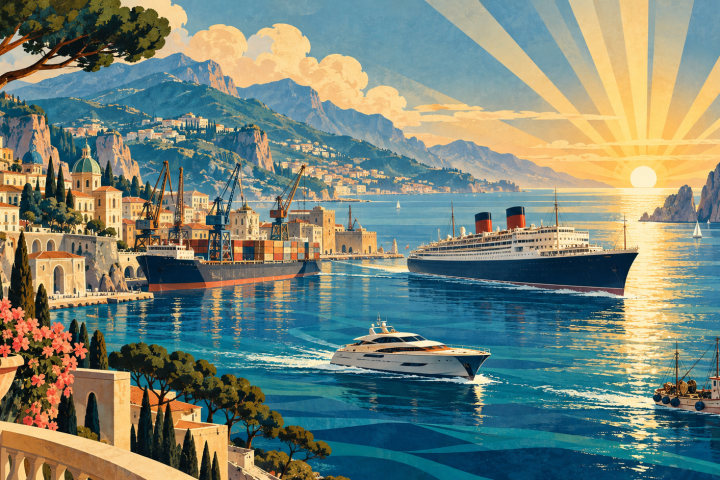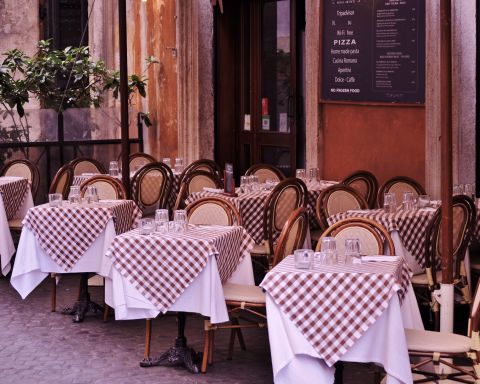



Walk through an Italian town in the early afternoon and you might think something has gone wrong. The shops are shut. The streets are empty. In the one trattoria still open, a fork turns slowly against the side of a plate, in no hurry to get anywhere. Nothing is wrong. This is just an ordinary afternoon in a country that still knows how to stop.
There is a phrase for it that does not really translate into English, and that gap is the point. Il dolce far niente. The sweetness of doing nothing. Not the empty, guilty kind of nothing you regret by evening, but the kind you choose, and enjoy without apology.
The phrase is older than it looks. The English borrowed it in 1814, in a letter by Byron, and the Romans were there long before them, with their own split between negotium, the day’s business, and otium, the kind of rest they thought a serious life needed. Doing nothing, done well, was never the opposite of work. It was part of it.
Most of us were raised to treat rest as a reward for work, something you earn once the real business of the day is done. Italy quietly turns that around. Here rest is not what is left over at the end. It is built into the day from the start.
There is a paradox in the way the rest of us live. The more we optimize the day, the less of it feels like ours. We cut out the long lunch, the second coffee, the conversation that went nowhere, and we called what was left efficiency. Then we wonder why the work feels thinner and the people around us feel like strangers. Italy never ran that experiment. It kept the hours that look useless on a spreadsheet, and those turned out to be the ones that mattered.
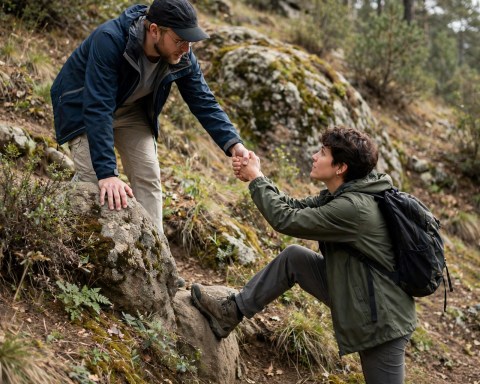
You hear it first in the way people tell you to slow down. Con calma. With calm. Or nessuna fretta. No rush. A waiter says it when you apologize for taking too long to choose. A grandmother says it when you jump up to clear the table. It is not a scolding. It is permission. Con calma means there is no race here, and you were never behind to begin with.
Then there is piano piano. Slowly, slowly. Where con calma settles a single moment, piano piano is about how good things actually come, little by little, in their own time. You learn the language piano piano. The sauce thickens piano piano. A friendship deepens piano piano. It is also the phrase to keep in your pocket when you are learning Italian and someone is talking too fast for you. Just say piano piano, grazie.
You see it most clearly at the table. There is a rule every visitor learns, usually by breaking it once: you do not cut your spaghetti. You twirl it, patiently, against the side of the plate, and if it takes a few tries, it takes a few tries. The rule is not really about pasta. It is about refusing to treat the meal as something to get through. A long Italian lunch is not a pause before the afternoon. It is the afternoon. It is where the small talk happens, where you learn to read the room, where social competence gets practiced without anyone calling it that.
You hear the purest version of all this in the way Italians say goodbye. Leaving dinner on a Saturday night, no one fixes a time. They say ci troviamo domani. We will find each other tomorrow. Not ci incontriamo domani, we will meet tomorrow, which would mean a plan, a place, an hour. Ci troviamo trusts that the place and the people will simply happen, and they do. One summer in Asolo, up in the Prosecco hills, we did this over and over. It would start as un’ombra di bianco before lunch on a Sunday, a small glass of white over il Sole 24 Ore, and then someone would wander into the piazza, and then someone else, and the table would grow without anyone planning it. Six or seven of us, six or seven hours, no agenda and none needed. We let the randomness set the tempo, and the day kept handing us people.
This is the part the rest of us have started to lose. Your network becomes your net worth, the saying goes, but a network is almost never built in the productive hours. It gets built in the slow ones, over a coffee nobody planned, in the lull where someone finally tells you the thing they would never put in an email. Likability is competitive, and you earn it the unglamorous way, by being there, unhurried, while everyone else is checking the time. Sitting with people, doing what looks like nothing, is how you become someone others want around.
In the early afternoon, in the towns that have not yet given in to the shop that never closes, the shutters come down for riposo. Rest. Or pausa pranzo. The lunch break. The stores close, the streets empty, and for a couple of hours a whole town agrees, out loud, that this is not the time for doing. People who have never met arrange their day around the same simple idea: some hours belong to no one’s productivity.
None of this is as effortless as it looks on a postcard, and Italians will tell you so themselves. The closed shop drives you mad when you just want bread at three in the afternoon. The north teases the south for taking it too far, and Italians argue among themselves about how much rest a country can really afford long before anyone else weighs in. The romance is mostly the visitor’s. For the people who live it, the balance takes work.
Still, none of this is laziness, and Italians will correct you fast if you confuse the two. The same country that gave us dolce far niente also builds the cars, cuts the clothes, and runs the kitchens the rest of the world copies. Doing nothing is not the opposite of ambition. It is what keeps ambition from eating you alive, and it is where the friendships and the trust that a career actually runs on get their start.
We have spent years optimizing every gap in the day, and we are more tired and more alone for it. Italy offers a different deal. Protect a little emptiness. Let con calma slow your hands, piano piano lower your shoulders, and riposo close the shutters on the part of you that thinks it always has to be useful.
You do not need a plane ticket to start. You need only to leave the spaghetti uncut, stay at the table a while longer, and do nothing, on purpose, in good company.
Il dolce far niente. The sweetness of doing nothing. It was never really a secret. We just stopped practicing it.
Discover more from The Ambassador
Subscribe to get the latest posts sent to your email.