

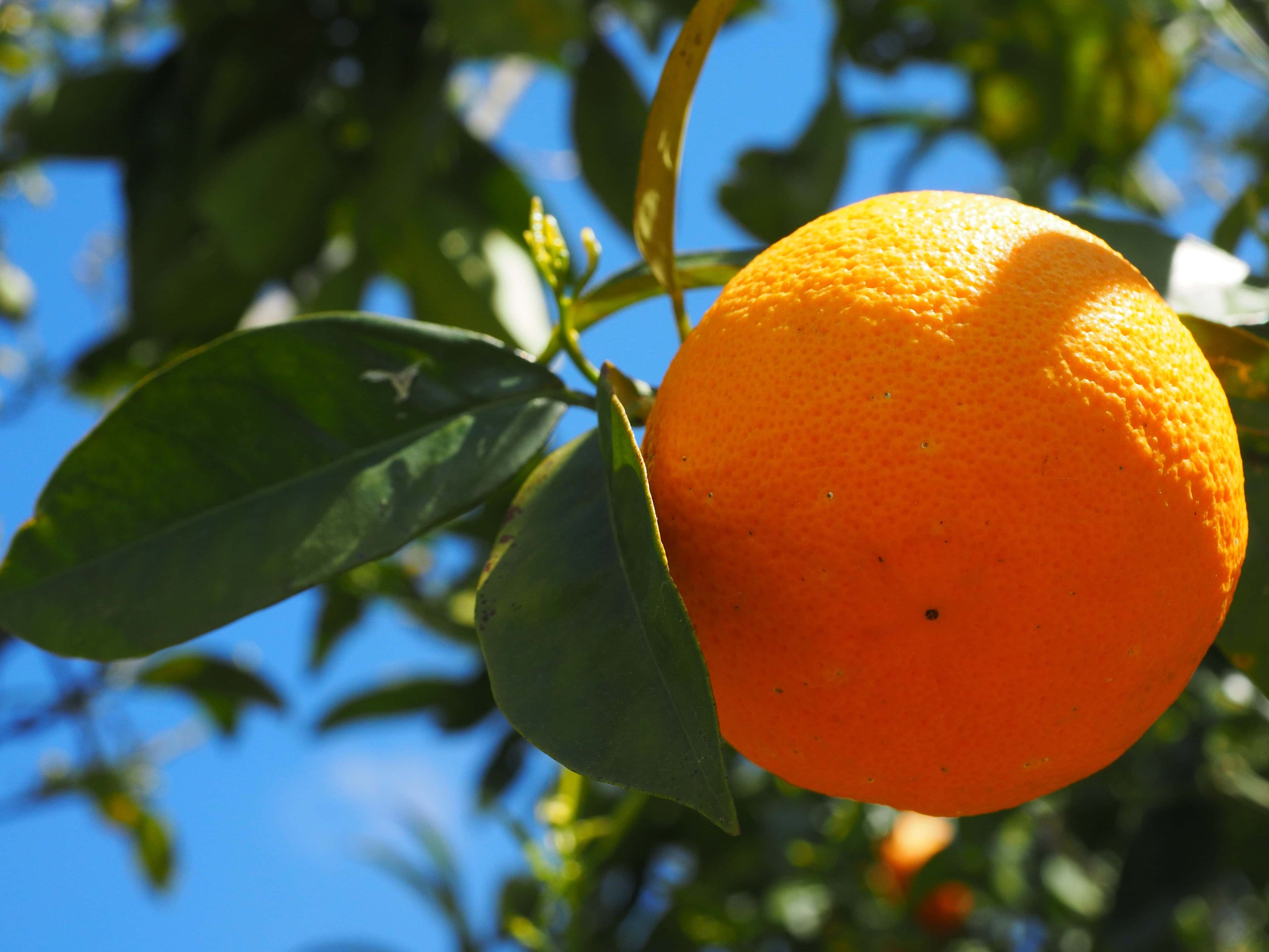
To understand the miracle of the Arancia Rossa di Sicilia IGP, one must first understand the violence of its birthplace, for there is no other fruit on Earth that is so intimately tied to the geological drama of its soil than this crimson sphere grown in the Piana di Catania, a fertile crescent that kneels at the feet of Mount Etna, Europe’s most active volcano. This is not merely an orange; it is a botanical anomaly, a freak of nature that exists only because of a paradoxical climatic clash that occurs between January and March, when the Mediterranean sun warms the volcanic earth during the day, reaching pleasant temperatures of 15 or 20 degrees, only for the thermometer to plummet dramatically at night as the cold winds descend from the snow-capped crater of the volcano, bringing the temperature near freezing. It is this thermal shock, this daily torture of heat and frost, that triggers a survival mechanism within the fruit, forcing the plant to produce massive quantities of anthocyanins—powerful antioxidants typically found in berries and red wine, but almost never in citrus—which flood the flesh with pigments ranging from a delicate ruby blush to a deep, violaceous, almost vampiric purple. If you were to take a Tarocco tree from this plain and replant it in the sunny groves of Florida, Brazil, or even just a few hundred kilometers away in a different microclimate, the fruit would remain stubbornly orange, proving that the “blood” of these oranges is literally the result of the land’s suffering and the volcano’s breath. The soil itself is a protagonist in this story, a dark, mineral-rich earth composed of millennia of lava flows that have decomposed into a fertile dust, providing the trees with a unique cocktail of potassium and phosphorous that translates into a flavor profile of unmatched complexity, balancing sweetness and acidity with a precision that no laboratory could replicate. Within this Protected Geographical Indication, there exists a trinity of varieties, each with a distinct personality that marks the progression of the winter season: it begins with the Moro, the most aggressive and pigmented of the three, often arriving in December or January with a flesh so dark it seems black, possessing a flavor that is less citric and more vinous, reminiscent of raspberries and blackberries, a fruit so intense it stains the hands like ink; then reigns the Tarocco, the “King of Oranges,” a larger, seedless fruit with a “snout” (a protruding calyx), celebrated for its elegance, its thin skin, and a flavor that is the perfect equilibrium of sugar and sourness, often streaked with red like a painter’s brushstroke rather than fully saturated; and finally, as spring approaches, comes the Sanguinello, discovered in Spain but perfected in Sicily, a sweet, juicy closing act to the season. Eating these oranges is a sensory ritual that engages more than just the taste buds; the moment the skin is pierced, the air is filled with a spray of essential oils that are sharper and more aromatic than common oranges, a scent that is the very definition of Sicilian winter. In the kitchen, this complexity has made the Blood Orange a muse for chefs who look beyond the breakfast juice glass, using it as a savory ingredient in salads where the acid cuts through the richness of Sicilian olive oil and the crunch of fennel, or reducing it into glazes for duck, pork, and oily fish, or even candying the peels to preserve the volcano’s perfume for the summer months. But beyond the gastronomy, there is the pharmacology; the local elders have always called it “ultimate medicine,” and modern science confirms that a single Sicilian blood orange contains 40% more Vitamin C than its blond cousins, along with cyanidin-3-glucoside, a compound studied for its anti-inflammatory and anti-aging properties, making this fruit a literal shield against the winter flu and the passage of time. The harvest itself is a race against time, a manual labor of love where teams of pickers move through the groves in the cold mist of dawn, selecting the fruits by hand to ensure the “rosetta” (the attachment point) remains intact, protecting the integrity of the fruit for its journey to the finest markets of Milan, London, and Tokyo, where the arrival of the “Red Ones” is greeted with the same reverence as the arrival of white truffles. It is a product that speaks of history, echoing the Arab irrigation techniques that transformed this dry plain into a garden (the Conca d’Oro) in the 9th century, and continuing a lineage of cultivation that has turned a harsh, volcanic landscape into the source of Europe’s sweetest blood. To peel a Blood Orange is to hold the paradox of Sicily in your hand: a tough, leathery skin protecting a heart that is tender, sweet, and inextricably bound to the fire of the mountain and the ice of the sky, a fleeting, seasonal reminder that the most beautiful things in life are often born from the greatest contrasts.
Discover more from The Ambassador
Subscribe to get the latest posts sent to your email.