

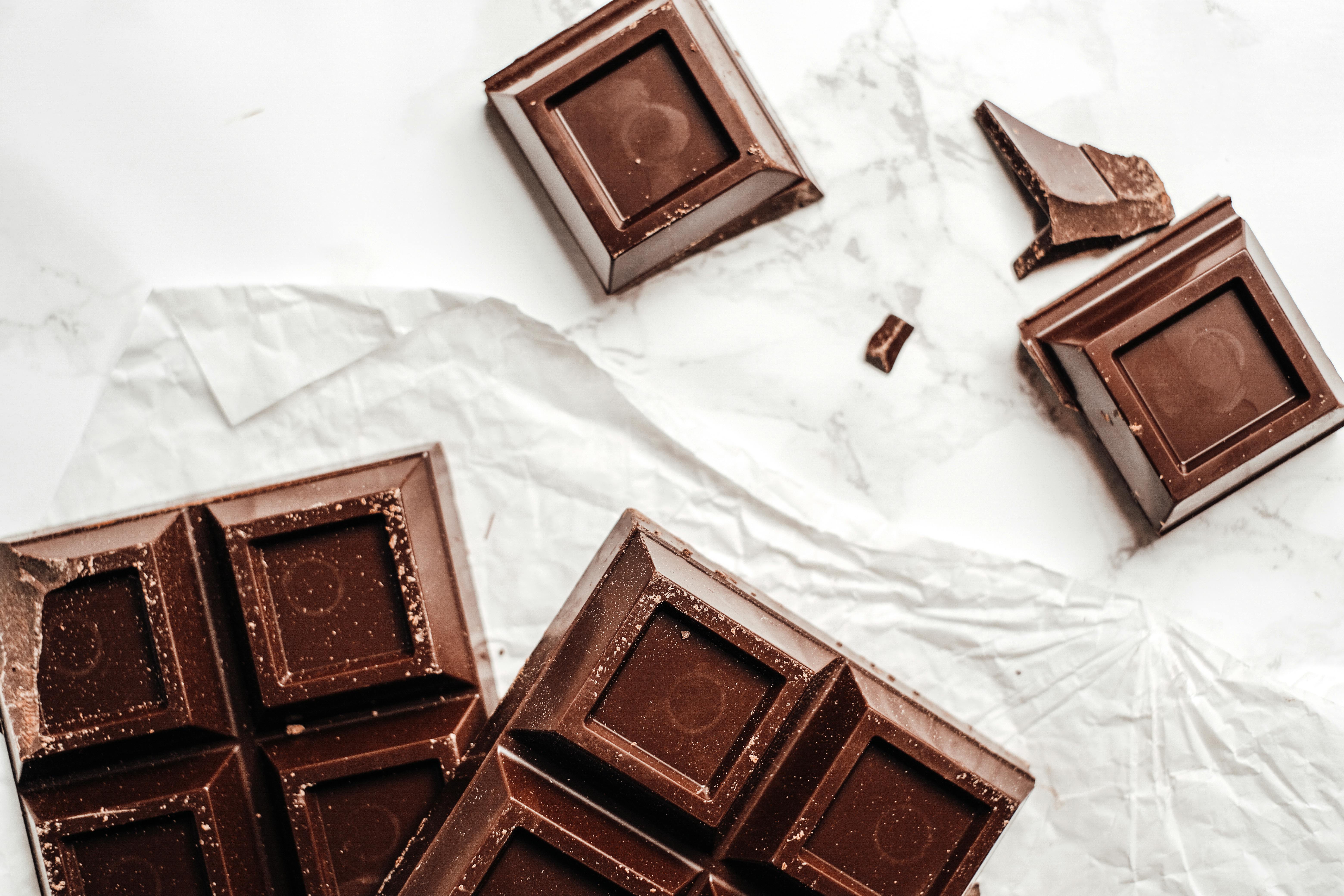
There is a geographical mystery that baffles the uninitiated. The Theobroma Cacao tree grows only within 20 degrees of the Equator, in the humid heat of Venezuela, Ecuador, or Ghana. Yet, if you ask any global gourmand where the best chocolate in the world is made, they will point to a strip of land that lies on the 45th parallel north, stretching from Piedmont to Tuscany. This is the “Italian Chocolate Valley.” Here, in the misty winters of Europe, a raw tropical ingredient is transformed into luxury. It is a story of alchemy. Just as Italy does not grow diamonds but boasts the best jewelry designers, it does not grow cocoa but possesses the unique “savoir-faire” to roast, conch, and temper it better than anyone else. In 2026, Italian chocolate is no longer just a sweet treat; it is a cultural asset, a “Black Gold” that rivals the prestige of Barolo wine or white truffles.
Turin: The Aristocratic Cradle
The journey begins in Turin, the undisputed capital of Italian chocolate. The relationship between the House of Savoy and cocoa dates back to 1560, when Emanuele Filiberto served a cup of steaming hot chocolate to celebrate the transfer of the capital from Chambéry to Turin. But the true genius of Piedmont was born out of necessity. In 1806, Napoleon imposed a continental blockade, cutting off the supply of British cocoa. The Turinese chocolatiers, desperate to stretch their dwindling stocks, decided to mix the cocoa with the cheapest, most abundant local ingredient: the hazelnut.
Thus, Gianduja was born. It was a stroke of brilliance that changed the texture of chocolate forever, moving from the gritty, brittle bars of the 19th century to a creamy, velvety melt. Today, brands like Guido Gobino, Peyrano, and Guido Castagna are the guardians of this tradition. Walking into a historic cafe in Piazza San Carlo in December and ordering a Bicerin (a layered drink of espresso, chocolate, and cream) is a ritual that defines the winter elegance of the city.
The Secret Weapon: Tonda Gentile
The success of the Piedmontese school rests on a specific nut: the Tonda Gentile Trilobata of the Langhe. It is not just a hazelnut; it is an appellation-controlled (IGP) miracle of oil and aroma. When roasted, it releases a scent that is the olfactory signature of the region. The iconic Gianduiotto—the upturned boat-shaped chocolate wrapped in gold foil—is the supreme expression of this marriage. The best artisans today grind the hazelnuts into a paste so fine it measures in microns, creating a product that is roughly 30% nut and 70% joy. It is a comfort food elevated to the level of haute cuisine.
Tuscany: The Bean-to-Bar Revolution
Move south, cross the Apennines, and you enter the “Silicon Valley” of modern chocolate: Tuscany. Specifically, the corridor between Pisa, Prato, and Pistoia. Here, the philosophy changes radically. If Piedmont is about the recipe (the mix), Tuscany is about the ingredient (the purity).
This is the home of the “Bean-to-Bar” revolution. Visionaries like Amedei (founded by Cecilia Tessieri in Pontedera) and Domori (founded by Gianluca Franzoni, though now based in Piedmont, its soul remains tied to this rigorous approach) changed the global rules. They were the first to treat cocoa like wine. They stopped buying semi-finished cocoa mass and started traveling to the plantations in Venezuela and Peru to buy the beans directly from the farmers. They focus on genetics, hunting for the rare Criollo variety—the “Pinot Noir” of cocoa—which accounts for less than 0.01% of global production.
The Cult of the Single Origin
In the Tuscan workshops of masters like Andrea Slitti (in Monsummano Terme) or Luca Mannori (in Prato), chocolate is an intellectual experience. They produce “Single Origin” bars (Monorigine) that express the terroir of a specific plantation. A bar made with Chuao beans from Venezuela tastes of red berries and honey; a bar made with Sambirano beans from Madagascar tastes of citrus and raisins. There is no vanilla added to mask the flavor, no soy lecithin to smooth the texture. It is chocolate in its naked, brutal, and beautiful truth. This approach has educated the palates of the world. Today, a serious chocolate tasting in Tuscany follows the same protocol as a wine tasting: you look at the shine, you listen to the “snap” (the sound of the bar breaking), you let it melt on the tongue to analyze the acidity, the bitterness, and the finish.
The Technology of Tenderness
What unites both regions is the technology. Italy is a world leader in the manufacturing of food processing machinery, and this engineering prowess is applied to the bean. The magic happens in the “Conching” (concaggio). This is the process where the chocolate is stirred and aerated at controlled temperatures for days (sometimes up to 72 hours). It is a mechanical massage that drives off the volatile acids (the vinegar smell of raw fermentation) and coats every single particle of sugar and cocoa with cocoa butter. The Italian style of conching tends to favor a rounder, smoother finish compared to the grittier textures often found in “stone-ground” American craft chocolate. It is a quest for the perfect “mouthfeel”—the silkiness that coats the palate without being waxy.
Modica: The Ancient Outlier
While the “Valley” is in the North, no article on Italian chocolate is complete without a nod to the deep South. Modica, in Sicily, offers the third way. Here, the chocolate is “cold-worked” (lavorato a freddo), a technique preserved from the Spanish domination and the Aztecs. The sugar does not melt; it remains in crystalline grains within the cocoa paste. It is a prehistoric, crumbly chocolate, flavored with chili pepper, cinnamon, or sea salt. It stands as a crunchy counterpoint to the velvet of Turin and the snap of Tuscany, proving the incredible biodiversity of the Italian approach.
A Winter Ritual
Why focus on this in December? Because winter is the season of chocolate. In the colder months, the body craves the theobromine and the calories. But in Italy, gifting chocolate is a language of its own. A box of hand-selected pralines from a master chocolatier is a gift of status, comparable to a bottle of aged Amarone. The packaging is exquisite—velvet boxes, gold lettering, ribbons. In 2026, the trend for Christmas is the “Vertical Tasting Box,” offering a flight of chocolates ranging from 70% to 100% dark, allowing the recipient to take a guided journey through the equator from their armchair by the fire.
The Future: Health and Ethics
The future of the Italian Chocolate Valley is Green and Healthy. The leading brands are now obsessively focused on the supply chain. “Ethical Cocoa” is the new standard: paying farmers three or four times the fair-trade price to ensure they don’t cut down the rainforest. Moreover, the health benefits of high-percentage dark chocolate (flavanols, antioxidants) are being highlighted. We are seeing “Functional Chocolate” enriched with olive leaf extract or probiotics. But ultimately, the Italian lesson is simpler: eat less chocolate, but eat better chocolate. Don’t eat a generic bar while watching TV; savor a single square of Amedei Porcelana or a Gobino Tourinot like a sacrament. In the cold of winter, it is a small, dark square of condensed sun.
Discover more from The Ambassador
Subscribe to get the latest posts sent to your email.