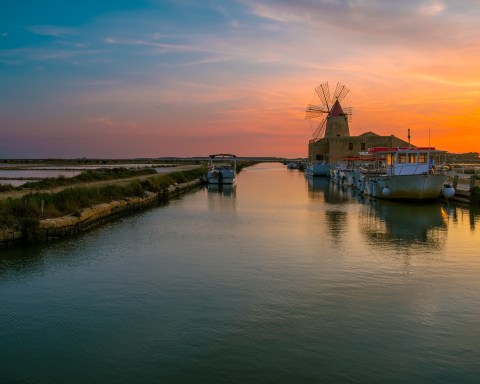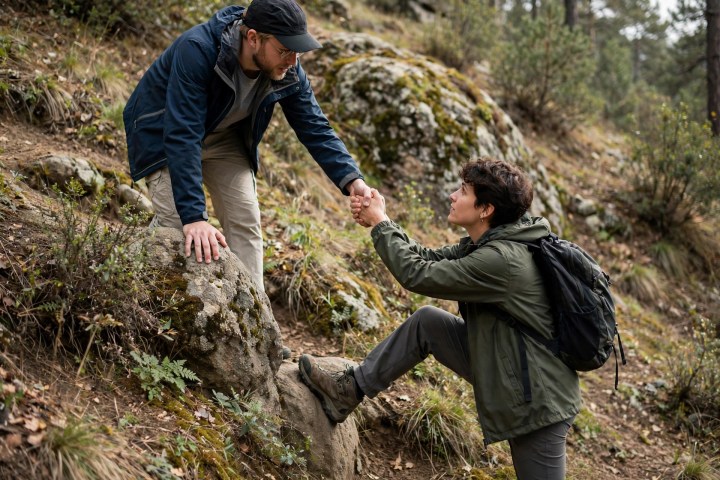



For the better part of a century, the demographic story of Italy was one of unidirectional flow. It was a story of exodus, of suitcases packed in the sun-drenched villages of the South (Mezzogiorno) and the remote hamlets of the Apennines, as generations left in search of work in the great industrial cities of the North. This relentless “brain drain” fed the factories of Milan and Turin but slowly bled the life out of thousands of historic villages, the borghi, leaving them beautiful but depopulated, their schools and shops closing one by one. But in the wake of the global pandemic, a new, counter-intuitive narrative has begun to emerge. The widespread adoption of remote work has triggered a quiet but significant reversal of this historic trend, a “return to the borghi” that is starting to redraw the nation’s social and economic map.
The Birth of “South Working”
The movement has a name: South Working. Coined during the 2020 lockdowns, the term initially described the wave of young, skilled professionals who, liberated from the necessity of being physically present in their Milanese or Roman offices, returned to their hometowns in Southern Italy to work remotely. What began as a temporary solution born of crisis has since evolved into a conscious, long-term lifestyle choice for thousands. The pandemic acted as a powerful catalyst, shattering the rigid corporate culture of office presenteeism and forcing a nationwide re-evaluation of the relationship between work, place, and quality of life. For many, the experience of being confined to a small, expensive city apartment highlighted the appeal of an alternative.
The primary driver of this phenomenon is a powerful desire for a better quality of life. The “pull factors” of the borghi are compelling. The most obvious is economic: the cost of living is dramatically lower, allowing a northern salary to stretch much further. This is coupled with the promise of more space, the ability to afford a larger home with a garden, and closer proximity to nature and the sea. But the appeal is more than just material. It is a return to a slower pace of life, to a stronger sense of community, and to closer ties with family. It is a rejection of the anonymous, high-stress grind of the metropolis in favour of a life on a more human scale.
The Economic and Social Impact on the Borghi
This “brain gain” is proving to be a potential lifeline for the small towns that are its beneficiaries. The economic impact is significant. A remote worker earning a Milanese salary but spending it in a small Sicilian village creates a powerful multiplier effect, supporting local restaurants, shops, and artisans. They buy and painstakingly restore abandoned or dilapidated homes, revitalizing the historic housing stock and boosting the local real estate market in a sustainable way. This influx of capital and demand can be the difference between a village’s survival and its slow decline.
The social and cultural renewal is just as vital. These returning professionals bring new skills, global perspectives, and fresh energy. They might open a co-working space in a disused building, organize a local film festival, or use their digital marketing skills to promote local businesses online. Their children, enrolling in the local school, can be the critical factor that prevents its closure, which is often the death knell for a small community. This is not a simple return; it is an injection of human and intellectual capital that can restart a virtuous cycle of growth and renewal. However, this transition is not without its challenges. The single greatest obstacle remains the digital divide. The lack of reliable, high-speed internet in many of Italy’s inland and rural areas (aree interne) is a major barrier to attracting and retaining remote workers. Furthermore, there can be a risk of a new, albeit gentle, form of gentrification, and a potential cultural gap between the new arrivals and the long-term residents.
From Individual Choice to National Strategy
What began as a grassroots movement is now being recognized as a major strategic opportunity for the country. The Italian government, supported by the EU’s National Recovery and Resilience Plan (PNRR), has allocated significant funds to bridge the digital divide by bringing fiber optic internet to the country’s most remote corners. This is the foundational investment needed to make the “return to the borghi” a viable long-term option for a larger number of people.
This is complemented by a variety of local and national initiatives. The much-publicized “1 Euro Houses” schemes, while complex in practice, have successfully drawn international attention to the issue of depopulation. More substantially, tax incentives have been introduced for workers who move their residency from the north to the south. At a local level, a growing number of borghi are actively marketing themselves as destinations for digital nomads and remote workers. Towns like Santa Fiora in Tuscany or Castropignano in Molise have launched dedicated projects, offering support with housing, creating co-working hubs, and building a community to welcome new arrivals, both Italian and international.
This quiet revolution represents one of the most hopeful social trends in modern Italy. It offers a path away from the country’s historic economic imbalance and towards a more polycentric, sustainable future. The “South Workers” and digital nomads choosing to make their homes in these historic villages are not just improving their own lives; they are becoming the unlikely custodians of Italy’s heritage, breathing new life, new skills, and new possibilities into the nation’s beautiful, ancient heart.
Discover more from The Ambassador
Subscribe to get the latest posts sent to your email.