
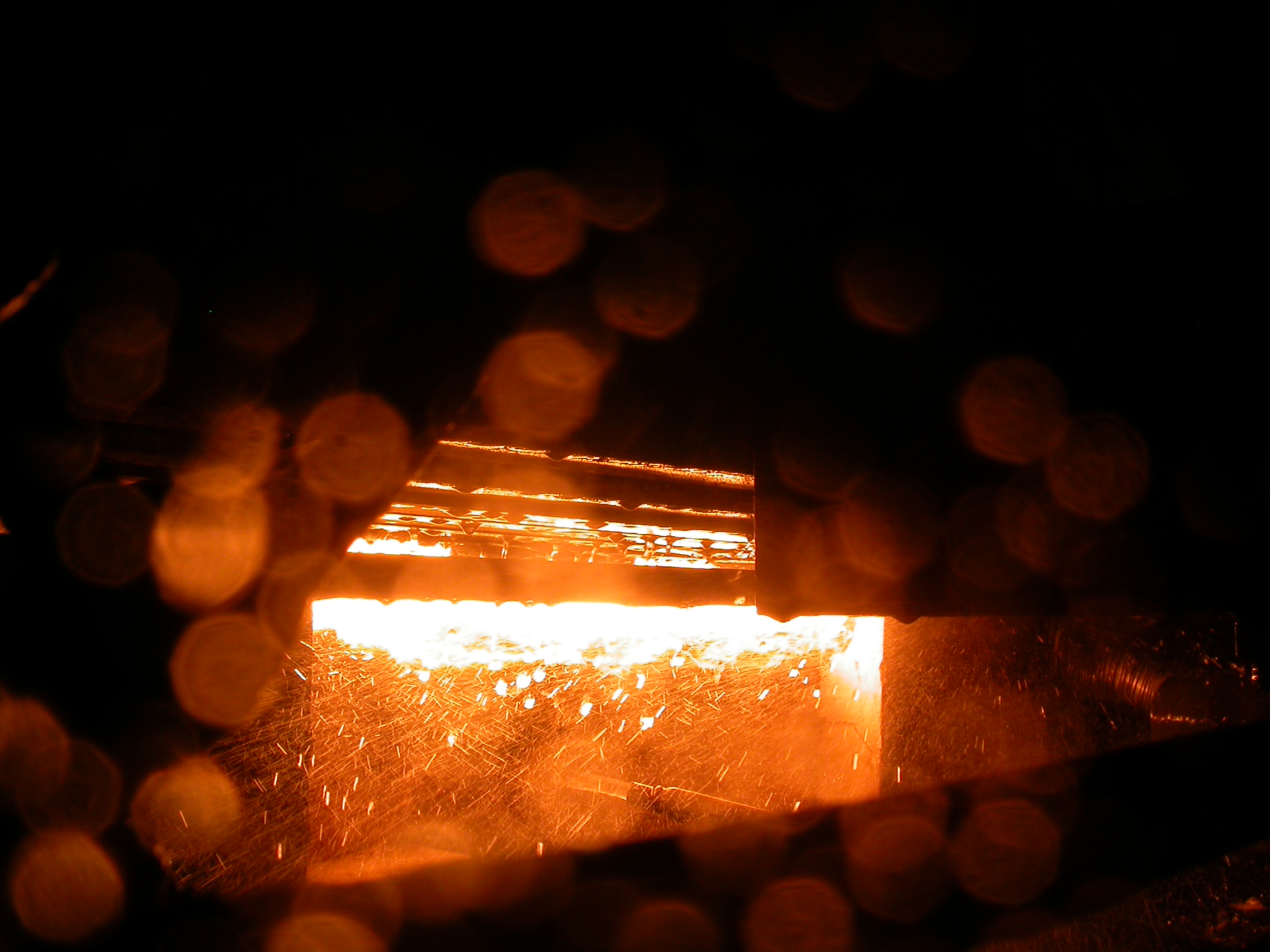
In the rich tapestry of Italian industry, celebrated globally for its tangible masterpieces in fashion, automotive design, and cuisine, there exists a less visible yet equally vital thread of ingenuity. This is the world of “Made in Italy” that operates not on the catwalks or in the showrooms, but within the fiery heart of industrial manufacturing, a domain where excellence is measured in uptime, resilience, and problem-solving under extreme pressure. It is a world of blistering temperatures, critical interventions, and a unique form of high-tech craftsmanship. At the very forefront of this specialized sector stands IRF Europa, a company that has mastered the art of ceramic welding, a crucial service that keeps the furnaces of Europe’s most important glassworks—and beyond—burning bright.
To understand this unique expression of Italian excellence, we spoke with Marcelo Machado, one of the three partners who has guided the company from a dormant state to a continental leader. His story is one of resilience, audacious self-improvement, and a profound belief in a uniquely Italian approach to work.
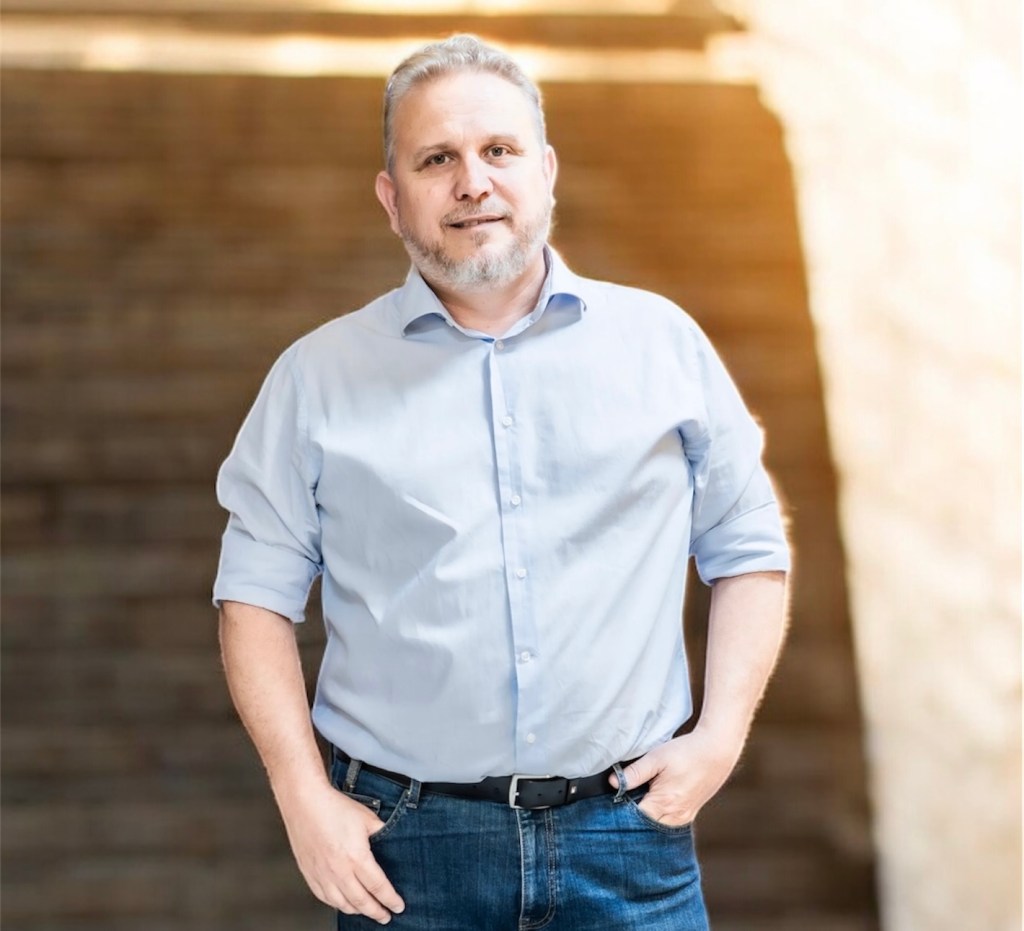
Mr. Machado, what are the origins of IRF Europa? How did a niche and crucial activity like hot-furnace maintenance become your company’s mission?
“The history of this technology began in the 1960s, developed by Glaverbel, a Belgian company specializing in flat glass production. A key figure in our story is Mr. Favretto, who worked at their Trieste plant. When the facility closed in the 1980s, he saw an entrepreneurial opportunity and founded Italiana Riparazione Forni Srl in the 1990s. I joined the company in 2003 when the business was virtually inactive. My first challenge was to find suitable personnel to learn this highly specialized trade. As it happened, I did not have the opportunity to work alongside already experienced figures. Mr. Favretto, while being an excellent technician with deep procedural knowledge, did not personally perform the practical work. This circumstance forced my colleagues and me to develop our own working method. We refined our techniques over time, learning from our mistakes and elevating the quality of our repairs to a superior level. By 2008, driven by the desire to grow and become partners in our own right, we founded IRF Europa Srl. The new company was formed by three partners: Enrico Favretto, Charles Pordone, and myself. From that moment on, the company began operating throughout Europe, expanding its reach and consolidating its experience in the sector.”
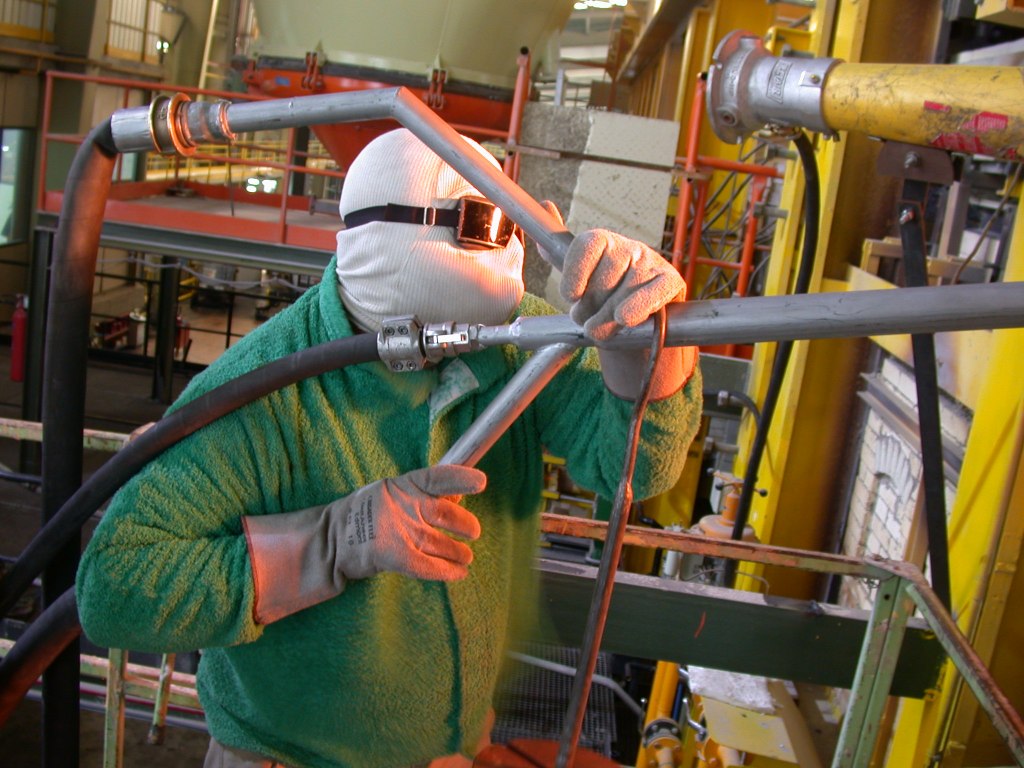
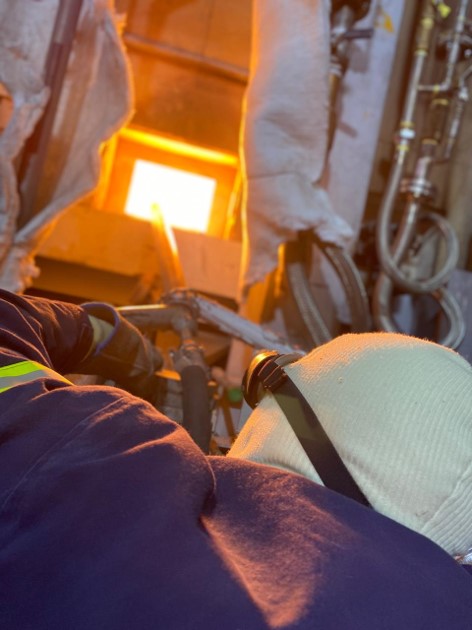
The service offered by IRF Europa is, by its very nature, “invisible.” It is not a product one can touch, but a critical intervention that ensures the productive continuity of entire supply chains. While competitors’ teams may work for 20 minutes before resting for 40, IRF’s technicians embody a distinctly Italian mindset: they work for 40 minutes and rest for 20. This is not a company mandate, Machado explains, but a cultural trait—a pride in executing a task with speed, precision, and excellence. It is this philosophy, this relentless dedication to quality and efficiency, that transforms a specific industrial activity into a banner for the “Made in Italy” brand.
Your work takes place in extreme conditions. Could you describe a particularly memorable intervention that exemplifies your technical mastery?
“Several years ago, we were contacted with great urgency by a plant for a critical intervention. A side wall of the furnace had collapsed, exposing the low-density refractory insulation—a material unsuitable for direct contact with the flame due to its rapid wear. The integrity of the entire furnace was compromised. Within a few days, our team began the reconstruction of the pier, operating while the furnace was in full glass production. The process involved the gradual removal of the damaged insulation and the subsequent reconstruction of the wall using a high-strength refractory, specifically designed for flame contact. Upon completion of the reconstruction, all joints were sealed using ceramic welding to ensure the structural integrity and thermal sealing of the wall. It was a race against time, a surgical operation at over 1400°C that saved the client from a catastrophic shutdown and millions in lost revenue.”
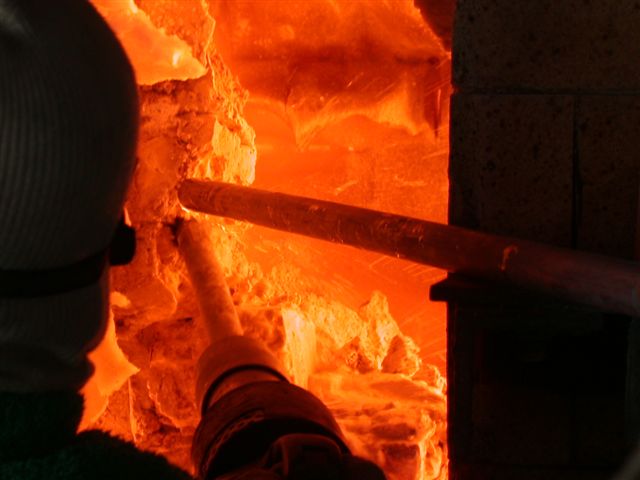
This ability to prevent costly production stoppages is IRF Europa’s core value proposition. A melting furnace is the heart of a factory; if it stops or fails to produce quality glass, the entire company is at risk. By providing a timely, high-quality service, IRF reduces these risks to almost zero, positioning itself as an essential ally for the glass industry. While competitors may lower prices, IRF focuses on investing in its highly-paid, skilled personnel, ensuring a quality of life on the road that translates into superior performance on-site. Their success rate, Machado states with quiet confidence, is near 100%, a figure that speaks volumes in such a high-stakes environment.

Your philosophy is “repair to avoid replacement.” How does this fit into the growing global demand for sustainability and the circular economy?
“Indeed, the world is now focused on sustainability. We began this work with the primary goal of extending furnace life to save our clients money, but a direct consequence has always been an increase in sustainability. Today, this is more relevant than ever. Modern limitations on NOx (nitrogen oxide) emissions often lead to poorer combustion inside the furnace, which paradoxically causes it to deteriorate more rapidly. Our work counteracts this, prolonging the life of these massive industrial structures and avoiding the enormous environmental and financial cost of demolition and reconstruction. While there is great interest in building electric furnaces, for now, this system is only viable for small-scale, lower-quality glass production. Our work remains crucial for the high-volume, high-quality sector, acting as a bridge to future technologies.”
Finally, Mr. Machado, what message do you wish to convey to the international readers of ‘The Ambassador’ about the ingenuity and resilience of the Italian industrial fabric?
“Every day presents a challenge; maintaining high standards of quality and efficiency is never simple. Recently, we have also had to face unfair competition, with some companies luring away the personnel we have spent years training from scratch. Despite these difficulties, it is always gratifying to attend industry fairs, where the IRF name is recognized as a synonym for value, quality, and integrity. I want to emphasize to your readers that Italian entrepreneurs are true heroes. We fight against a market that is often dishonest, an unsustainable tax wedge, labor shortages, and a generational shift in technical and purchasing departments that often prioritizes the lowest price over the history and value of what we have built. It is a daily battle fought with passion and expertise. I am certain, however, that time will reward us, recognizing those who operate with unwavering commitment and integrity.”
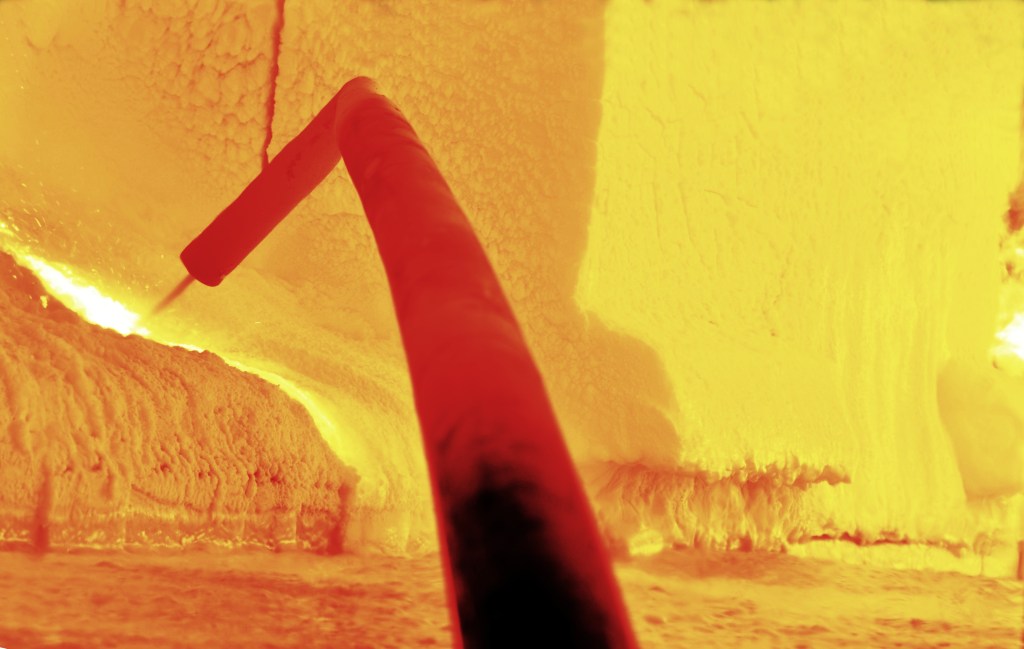
The words of Marcelo Machado resonate with the strength and pride of those who build value far from the spotlight. The story of IRF Europa is a powerful emblem of a different kind of Made in Italy: less proclaimed, perhaps, but profoundly essential. It is an excellence forged in the crucible of real-world problems, where ingenuity is not an aesthetic choice but a necessity, and where quality is not just a slogan but the only measure of survival and success. In their work, we see the echo of the great Italian tradition of craftsmanship, updated for the 21st century—a “saper fare” that blends ancient resilience with modern technology. They are not just furnace repairers; they are guardians of industrial continuity, silent heroes of the production line. Their story serves as a vital reminder that behind the world’s most beautiful glass products, there is often an invisible, Italian-made masterpiece of skill and determination.
Discover more from The Ambassador
Subscribe to get the latest posts sent to your email.