

As the late autumn chill descends, a special kind of magic begins to animate squares across Italy. It starts with the scent of cinnamon, cloves, and roasting chestnuts drifting through the crisp air, followed by the warm, golden glow of lights strung across rows of small wooden chalets. This is the atmosphere of the Mercatino di Natale, the Christmas Market. Though a relatively recent import from Northern Europe, this tradition has been embraced with such warmth and enthusiasm that it has become an essential part of the Italian holiday season. It is a story of cultural adoption and adaptation, where a Germanic tradition has been reimagined with a distinctly Italian soul, transforming from an Alpine curiosity into a nationwide phenomenon and a powerful engine for winter tourism.
The tradition’s Italian roots lie firmly in the Alpine region of Trentino-Alto Adige (South Tyrol). With its strong historical and cultural ties to Austria, this area was the natural entry point for the Christkindlmarkt tradition. The “Original South Tyrolean Christmas Markets,” held in cities like Bolzano, Merano, Bressanone, Brunico, and Vipiteno, are the archetype. Here, the atmosphere is pure Mitteleuropean fairy tale. Set against a backdrop of snow-dusted mountains, rows of wooden stalls fill the main squares, offering handcrafted goods like intricate wood carvings, woolen slippers, and delicate glass ornaments. The air is thick with the aroma of classic treats: spicy Lebkuchen biscuits, apple strudel, and, most importantly, steaming mugs of vin brulé (mulled wine), the quintessential market fuel.
But as the popularity of these markets grew, a fascinating process of cultural reinterpretation began. As the concept spread south, it shed some of its purely Germanic character and adapted to the unique identity of each new city and region. The most visible change is in the setting. In Florence, the market is held not in an Alpine village but in the magnificent Piazza Santa Croce, with a stunning Gothic basilica as its backdrop. In Rome, the festive stalls of the Piazza Navona market are set around Bernini’s spectacular Fountain of the Four Rivers. This fusion of the rustic wooden chalet with the grandeur of Renaissance or Baroque architecture creates a uniquely Italian aesthetic.
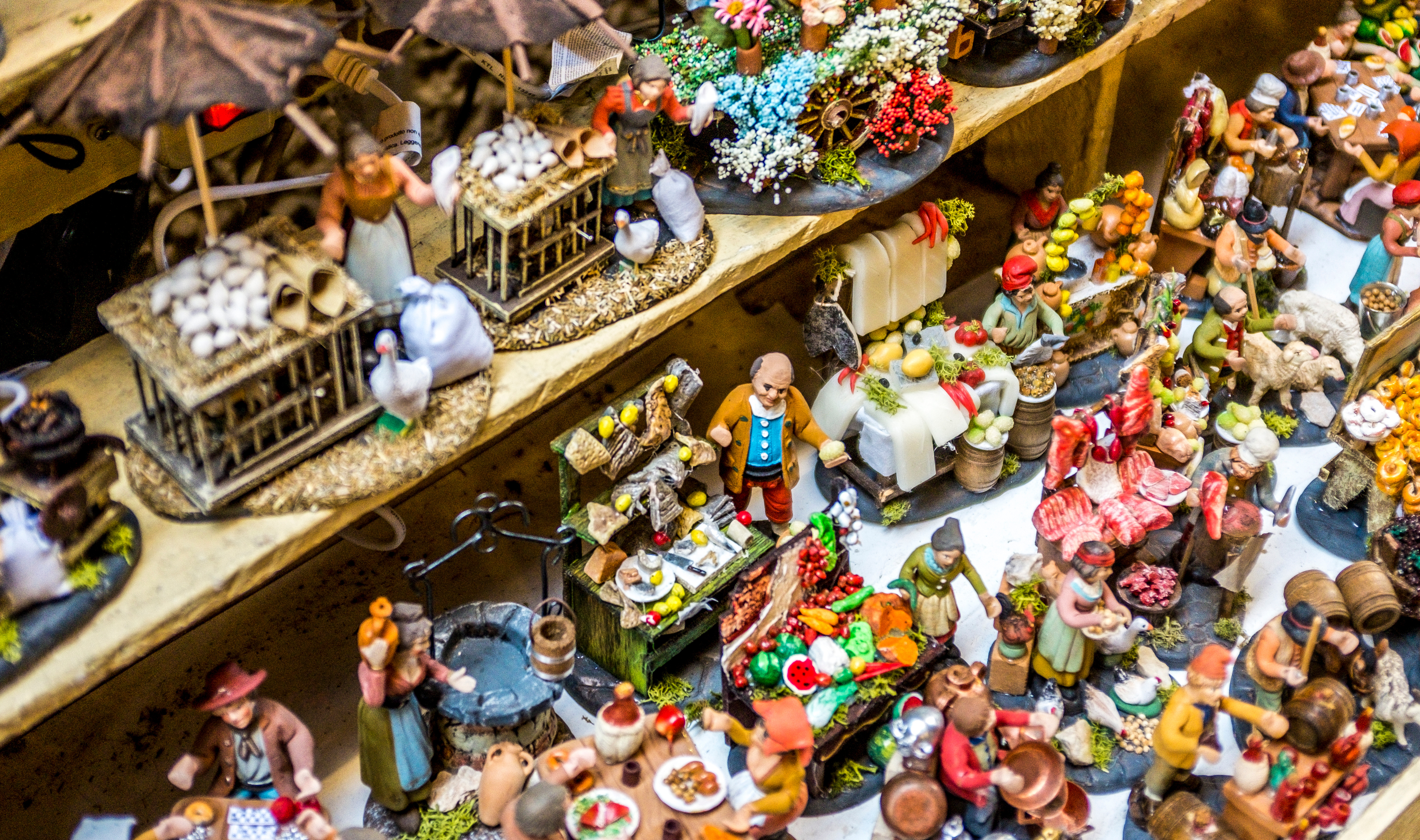
The products on offer evolve as the markets move down the peninsula. While the Alpine markets excel in woodcraft, a market in Venice might feature stalls selling handcrafted Murano glass ornaments. In Naples, the focus is naturally on the presepe, the traditional nativity scene, with artisans selling incredibly detailed, handmade figurines. The food, too, takes on a regional flavour. While vin brulé remains a beloved staple everywhere, it is often sold alongside local specialties. In Tuscany, you might find stalls selling panforte, a dense, spiced fruit and nut cake, while in the south, you’re more likely to find different varieties of torrone (nougat). The Italian Christmas market has become a platform to showcase local craftsmanship and culinary traditions, rather than simply replicating a foreign model.
This explosion in popularity has had a significant economic impact, turning the Christmas markets into a major driver for national and international tourism. According to recent studies, tens of millions of Italians visit at least one market each year, generating a powerful wave of domestic travel during a traditionally quiet period. The markets in Trentino-Alto Adige, for example, draw millions of visitors, creating a high season for tourism that fills hotels and restaurants. A 2022 study of the markets in Bolzano and Vipiteno found that 75% of visitors were Italian, highlighting the markets’ role in encouraging Italians to explore their own country during the winter. This phenomenon has provided a vital economic boost to mountain communities and has established a new, lucrative “holiday season” for cities across the nation.
The success of the mercatini di natale in Italy lies in this remarkable ability to blend a borrowed concept with an innate sense of local identity and flair. They are not just places to shop; they are vibrant social hubs, places for families and friends to gather, stroll, and soak up the festive atmosphere. From the picture-perfect Alpine charm of Bolzano to the historic grandeur of Florence’s Piazza Santa Croce, the Christmas market has been warmly woven into the fabric of the Italian holidays, a testament to a culture that excels at adopting, adapting, and creating something beautiful, atmospheric, and entirely its own.
Discover more from The Ambassador
Subscribe to get the latest posts sent to your email.