

To walk through an Italian museum is to walk through history. The collective imagination pictures hushed halls of marble, lined with the serene Madonnas of Raphael, the tormented figures of Michelangelo, and the gilded relics of a once-unshakable faith. These institutions are, without question, the custodians of an unparalleled heritage. Yet, to see them merely as static repositories of the past is to miss one of the most exciting cultural developments happening in Italy today. A new generation of visionary directors and curators is reimagining the museum not as a mausoleum, but as a dynamic cultural laboratory. The autumn 2025 exhibition season stands as a powerful testament to this new philosophy, showcasing a bold and often provocative dialogue between ancient masterpieces and contemporary artistic languages, challenging visitors to see the past with new eyes.
This curatorial shift is a conscious departure from a purely preservationist mindset. The new mandate is to make history resonate with the present, to unlock fresh narratives from centuries-old artworks, and to attract a new, diverse audience that might feel alienated by the traditional, academic approach. The goal is to spark conversations, to ask questions rather than just provide answers, and to prove that a Caravaggio painting or a Roman sculpture can still speak to the anxieties and aspirations of the 21st century. This is achieved through ambitious, temporary exhibitions that act as conceptual interventions within the hallowed halls of tradition.
The autumn 2025 season offers compelling case studies of this approach across the peninsula. In Rome, the Scuderie del Quirinale is set to unveil “Caravaggio’s Echo,” a groundbreaking show that places the revolutionary master’s works alongside those of contemporary artists. A painting like Judith Beheading Holofernes, with its raw, cinematic violence and dramatic chiaroscuro, will be displayed near the work of modern photographers who explore themes of conflict and psychological intensity, and cinematic installations by video artists who manipulate light and shadow. The exhibition aims to deconstruct Caravaggio’s enduring influence, showing how his rebellious spirit and unflinching realism have been absorbed and reinterpreted by artists centuries later, proving his modernity is not just historical, but perpetual.
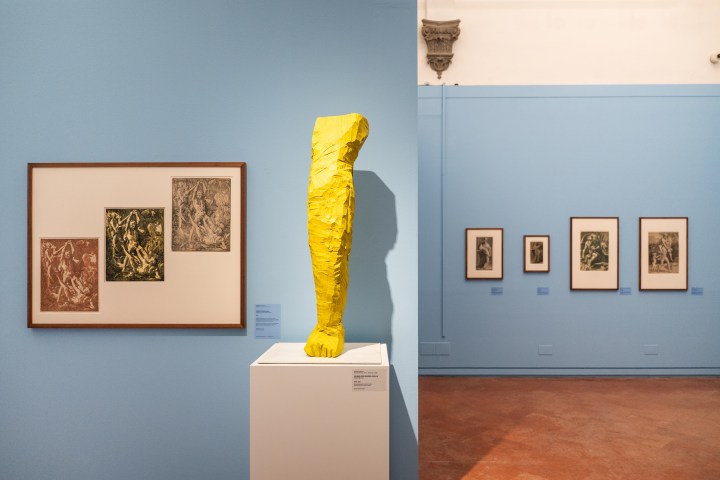
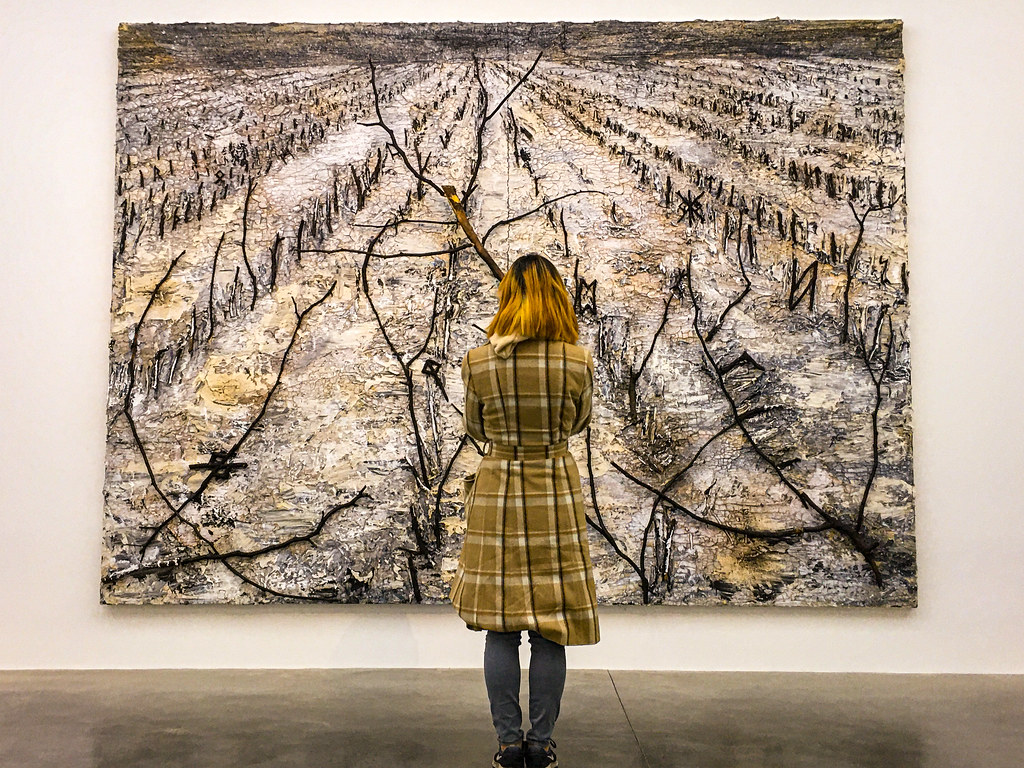
Meanwhile, Florence’s Palazzo Strozzi, a venue renowned for bridging the Renaissance with the contemporary, is collaborating with the Uffizi Gallery for a spectacular city-wide exhibition. They will install monumental works by the German artist Anselm Kiefer, known for his textured explorations of myth, memory, and destruction, within the classical spaces of the Uffizi and the Boboli Gardens. A vast, straw-and-lead Kiefer canvas grappling with the weight of history will hang in a room with stoic Roman portraits; a towering, ruin-like sculpture will be placed amidst the manicured greenery of the Medici gardens. The intent is not to shock, but to create a powerful dialogue about the cycles of creation and decay, civilization and collapse, forcing a re-evaluation of the serene, ordered beauty of the Renaissance against the chaotic backdrop of modern history.
In Milan, the Pinacoteca di Brera is taking a more thematic approach with “The Power of the Fold.” The exhibition traces a single, elegant motif—the fold in fabric—across centuries of art and design. It will begin with the impossibly crisp, sculptural drapery in Andrea Mantegna’s Lamentation of Christ, move to the slashed and folded canvases of Lucio Fontana and the abstract reliefs of Agostino Bonalumi, and culminate in complex, pleated creations from the archives of Milanese fashion houses like Prada and Armani. By isolating this one element, the curators connect the spiritual intensity of the Renaissance, the spatial concerns of post-war abstraction, and the structural genius of contemporary design, revealing an unexpected aesthetic lineage that is uniquely Italian.
Creating these powerful dialogues requires more than just placing old and new art in the same room. It involves a sophisticated toolkit of modern museography. Curators now work closely with architects and lighting designers to create immersive environments. Soundscapes might fill a gallery to alter the emotional context of a collection, while discreetly integrated digital installations can offer visitors deeper layers of understanding. The narrative of the exhibition is paramount, moving away from dense academic labels towards storytelling that connects the art to universal human themes of love, loss, power, and faith. Naturally, this bold approach is not without its critics. Some traditionalists argue that these contemporary interventions are a distraction, disrespecting the original context of the masterpieces and catering to a shortened modern attention span. They question whether a dialogue is truly being created, or if the historical art is simply being used as a backdrop for the new. Yet, this ongoing debate is itself a sign of a healthy and vibrant cultural ecosystem. The undeniable result is that these exhibitions are generating unprecedented international buzz, drawing younger crowds, and shattering the perception of Italian museums as static institutions. They are proving that Italy’s cultural heritage is not a finite, historical resource, but a living, breathing entity, capable of inspiring new ideas and fostering new visions for the future.
Discover more from The Ambassador
Subscribe to get the latest posts sent to your email.