

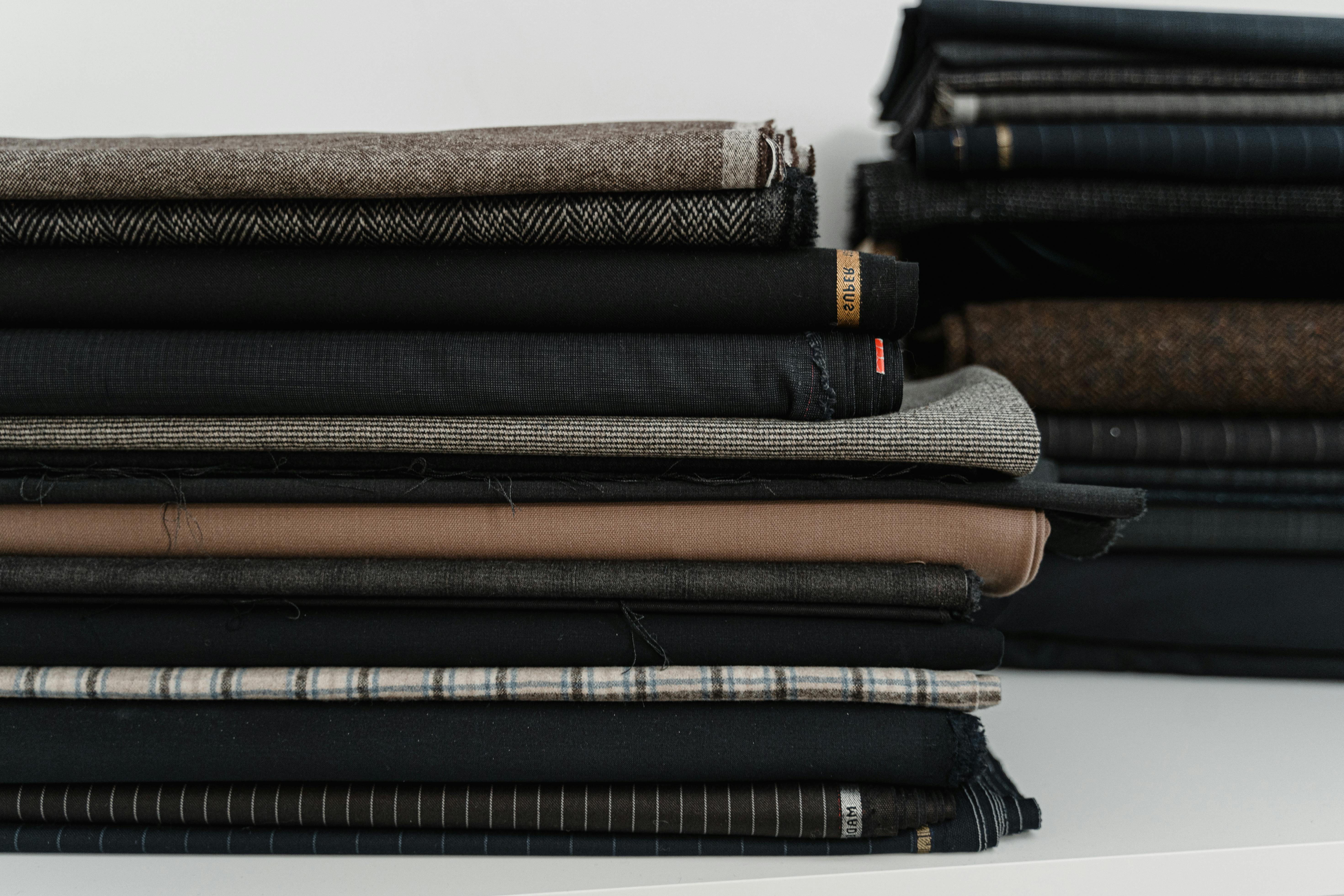
The tactile pleasure of a truly luxurious fabric is a quiet, intimate experience: the weightless warmth of a vicuña scarf, the soft, resilient drape of a superfine merino wool suit, the rich texture of a cashmere coat. For decades, the world’s most prestigious fashion houses have looked to Italy to source these materials, knowing that their unparalleled quality is born in a handful of historic textile districts. But today, a quiet revolution is underway in these hubs of traditional craft. In the towns of Biella in Piedmont and Prato in Tuscany, a new definition of quality is being woven. These ancient centres of production are transforming themselves into world-leading laboratories for sustainability and the circular economy, proving that the most luxurious thread is a green one.
To understand this transformation, one must first understand the distinct identities of these twin pillars of Italian textiles. Biella, nestled at the foot of the Alps, is the undisputed global capital of noble fibres. Its destiny was shaped by its geography; the pure, exceptionally soft waters that flow from the mountains are perfect for washing and finishing the world’s finest wools, giving them a unique softness and lustre. This is the home of legendary brands like Ermenegildo Zegna, Loro Piana, and Vitale Barberis Canonico, companies that have built global reputations on producing the highest quality virgin wool, cashmere, and vicuña fabrics. Biella’s tradition is one of absolute excellence, starting from the very best raw materials.
Prato, located near Florence in Tuscany, has a different but equally remarkable legacy. For over a century, it has been the world capital of high-quality recycled textiles. The artisans of Prato, known as cenciaioli, perfected the art of collecting used garments and textile scraps, meticulously sorting them by colour and fibre, and regenerating them into new fabrics. This was not a crude form of recycling; it was a highly skilled craft that could produce a soft, valuable material known as lana rigenerata (regenerated wool). For decades, this was a pragmatic, behind-the-scenes industry, an intuitive form of circular economy born from necessity. Today, it is Prato’s most celebrated innovation.
In the 21st century, Prato has transformed its historical craft into a high-tech industrial model for the circular economy. The work of the cenciaioli is now aided by advanced technology, but the principle remains the same. Huge warehouses process textile waste from around the world. After manual sorting to remove buttons and zippers, optical scanners can help separate fibres with greater precision. The material is then shredded, broken down, and re-spun into new yarn. The genius of the traditional Prato system, still in use, is sorting by colour. By gathering scraps of the same colour, new fabric can be made without re-dyeing, a process that saves millions of litres of water, enormous amounts of energy, and eliminates the use of chemical pollutants. The district has championed the GRS (Global Recycled Standard) certification, and its collaborative, networked model of hundreds of specialized small companies working in synergy is now studied globally as a blueprint for sustainable industrial production.
While Prato has perfected the art of the “end-of-life” cycle, Biella is focusing on the “beginning-of-life” and the full traceability of its elite virgin materials. For brands like Zegna, sustainability begins on the other side of the world. Through initiatives like their “Oasi Zegna” and their own sheep farms in Australia, they control every step of the supply chain. This ensures not only the highest quality of wool but also the highest standards of animal welfare and sustainable land management. This concept of traceability is crucial for the modern luxury consumer, who wants to know the complete story of a garment.
Furthermore, Biella’s mills are investing heavily in innovative technologies to reduce their environmental impact. They are pioneering new dyeing techniques that use natural pigments and significantly less water. They are adhering to strict international protocols like ZDHC (Zero Discharge of Hazardous Chemicals) to eliminate harmful substances from their finishing processes. The focus is on creating a product that is not only beautiful and performant but also clean and responsible from farm to fabric. This commitment extends to innovation in materials, developing new blends of natural fibres and recycled synthetics to create textiles that are both luxurious and environmentally conscious.
The path forward is not without its challenges. The technical complexity of recycling blended fabrics (like a wool-polyester mix) remains a significant hurdle for the entire industry. For Biella, maintaining the highest standards of virgin fibres requires constant investment in a fragile global supply chain. For Prato, the challenge is one of perception: convincing a luxury market obsessed with “newness” that a recycled material can be just as, if not more, valuable and desirable than a virgin one.
The success of these districts lies in their collaborative approach. This is not a story of isolated corporate initiatives. It is a story of district-wide consortiums, partnerships with universities for materials research, and shared commitments to certification standards. They understand that the “Made in Italy” label, in the context of textiles, must now be synonymous with “sustainably made in Italy.” By building upon their unique and complementary historical strengths, Biella and Prato are writing the next chapter for Italian industry. They are proving that true quality is a circular concept, weaving a future where luxury is defined not just by how a fabric feels, but by the respect it shows for the planet.
Discover more from The Ambassador
Subscribe to get the latest posts sent to your email.