


Italian opera, a sublime fusion of music, drama, and emotion, has been a cornerstone of Italy’s cultural heritage for centuries. From its inception in the late Renaissance to its profound influence on global art and entertainment, Italian opera has transcended borders, captivating audiences worldwide with its powerful narratives and breathtaking compositions.
The birth of opera: a melodic revolution
Originating at the end of the 16th century in Florence, Italian opera was born from the creative minds of the Florentine Camerata, a group of musicians, poets, and intellectuals aiming to revive Greek drama’s musical traditions. In 1607, Claudio Monteverdi’s L’Orfeo premiered, marking a pivotal moment as one of the earliest works recognized as opera. Monteverdi’s innovative blend of music and storytelling laid the foundation for an art form that would flourish throughout Italy and eventually the world.
Masters of the craft: iconic composers and their legacy
The 18th and 19th centuries heralded the golden age of Italian opera, dominated by legendary composers whose works remain staples in opera houses globally.
- Gioachino Rossini: Celebrated for his vivacious melodies and comedic brilliance, Rossini’s The Barber of Seville (1816) and William Tell (1829) showcase his talent for blending humor with intricate musical composition.
- Gaetano Donizetti and Vincenzo Bellini: Pioneers of the bel canto style, their operas emphasized beautiful, expressive singing. Donizetti’s Lucia di Lammermoor and Bellini’s Norma are esteemed for their emotive arias and dramatic intensity.
- Giuseppe Verdi: Perhaps the most influential, Verdi’s works like La Traviata (1853), Rigoletto (1851), and Aida (1871) delve deep into human emotion and societal themes, resonating across generations.
- Giacomo Puccini: With operas such as La Bohème (1896), Tosca (1900), and Madama Butterfly (1904), Puccini masterfully combined lush orchestration with heartfelt storytelling, cementing his status in the operatic pantheon.
Italian opera’s global journey
The allure of Italian opera soon extended beyond Italy’s borders. Opera houses across Europe eagerly staged Italian works, introducing them to new audiences. By the 19th century, Italian opera had crossed the Atlantic, captivating listeners in North and South America.
The construction of grand opera houses, such as the Metropolitan Opera in New York City and Teatro Colón in Buenos Aires, testified to the art form’s international appeal. These venues became cultural landmarks, hosting premieres and attracting renowned Italian opera stars.
Modern influence and popular culture
Italian opera continues to influence contemporary music and entertainment. Its themes and arias appear in films, television shows, and advertisements, weaving the art form into mainstream awareness.
- Cinema: Movies like Moonstruck (1987) and Pretty Woman (1990) feature famous opera scenes, introducing classic works to new audiences.
- Crossover artists: Singers such as Luciano Pavarotti, Andrea Bocelli, and Il Volo have bridged classical opera and popular music, achieving international fame.
- Education and outreach: Opera companies worldwide innovate with live broadcasts, virtual performances, and educational programs, making opera more accessible and engaging for younger generations.
Experiencing Italian opera today
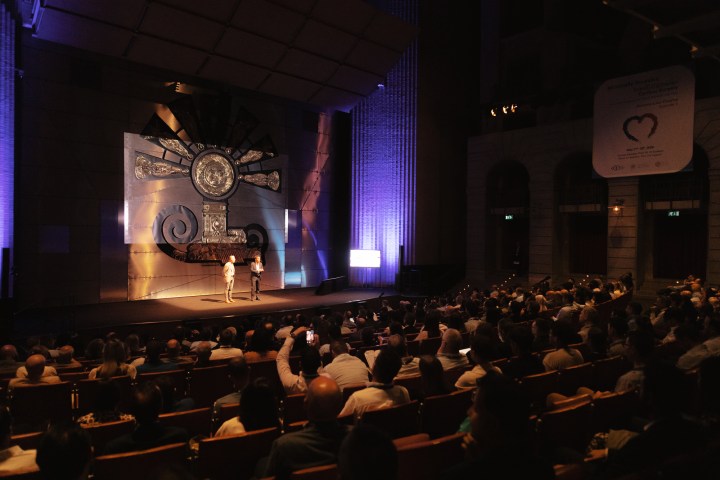
Attending an opera in Italy remains a transformative experience. Historic venues like La Scala in Milan, Teatro La Fenice in Venice, and the Arena di Verona offer performances that combine world-class talent with architectural splendor.
For those unable to travel, many opera houses provide live streaming of performances, and international opera festivals bring Italian masterpieces to stages around the globe.
Conclusion: a living art form
Italian opera’s enduring popularity lies in its universal exploration of love, tragedy, joy, and the human condition. Its rich history and ongoing evolution demonstrate the art form’s ability to adapt and resonate with contemporary society.
As Italian opera continues to inspire and captivate, it remains a vital thread in the tapestry of global culture—a testament to Italy’s profound impact on the arts.
Article written with the help of AI
Discover more from The Ambassador
Subscribe to get the latest posts sent to your email.