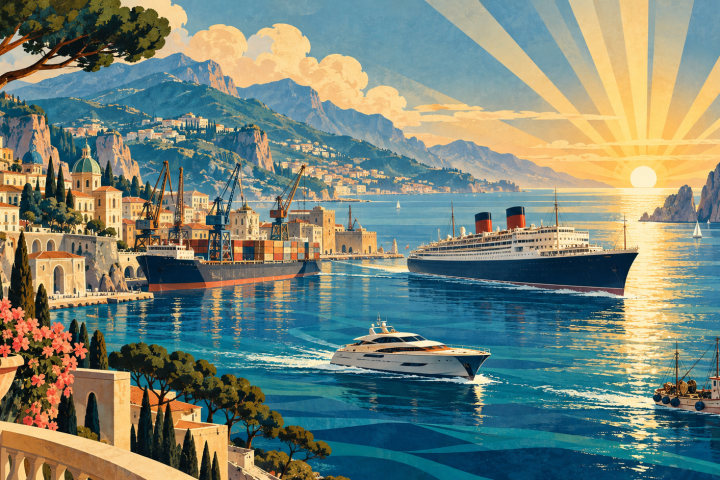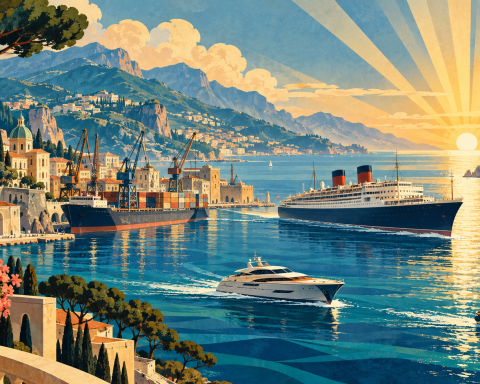



When the pristine, razor-sharp, and incredibly fragile alpine light of late spring finally descends from the snow-capped peaks of the Dolomites and strikes the impossibly deep, mesmerizingly blue, and glacially cold waters of Lake Como, Lake Garda, and Lake Iseo, a silent, breathtaking, and utterly luxurious mechanical choreography begins to unfold along the historic, meticulously manicured shorelines, signaling the highly anticipated awakening of the global elite’s most cherished nautical playground. It is in this precise, fleeting meteorological window—when the opulent, terraced gardens of the massive neoclassical villas explode in a violent, chaotic riot of hot pink azaleas, vibrant purple wisteria, and blindingly yellow lemon blossoms—that the heavy, deeply scarred wooden doors of the ancient, legendary lakeside boathouses are slowly, almost reverently cranked open, releasing into the gentle morning breeze the intoxicating, deeply evocative scent of thick marine varnish, high-octane gasoline, and perfectly cured, sun-baked leather.
From these shadowy, cavernous sanctuaries emerge the undisputed, undisputed aristocrats of the Italian waters: the breathtakingly beautiful, astonishingly loud, and meticulously handcrafted wooden speedboats built by the legendary Riva shipyard, floating, kinetic sculptures that entirely transcend their basic, utilitarian function of maritime transport to become the ultimate, globally recognized physical manifestation of mid-twentieth-century Italian glamour, a potent, aggressively elegant symbol of an era when cinematic stars, renegade industrialists, and exiled royalty congregated on these very shores to invent the modern concept of la dolce vita.
To truly comprehend the almost fanatical, obsessive reverence that surrounds iconic models like the Aquarama, the Ariston, or the completely unhinged, twin-engine Tritone, one must completely discard any contemporary, sterile notions of mass-produced fiberglass yachts or anonymous, computer-designed hulls; a vintage Riva is an absolute miracle of traditional, uncompromising artisanal woodworking, demanding over three thousand hours of agonizing, microscopic human labor, a process where seasoned, calloused craftsmen meticulously select, cut, and bend flawless planks of rich, incredibly heavy Honduran mahogany—a wood chosen specifically for its phenomenal resistance to rot and its extraordinary, almost hypnotic grain—layering them with an obsessive, mathematical precision that guarantees a perfectly smooth, hydrodynamic curve capable of slicing through the choppy lake waters with the terrifying, elegant grace of a predatory shark.
The sheer, overwhelming visual impact of a restored Riva cutting a blindingly white, perfectly symmetrical wake across the sapphire-blue expanse of Lake Como is absolutely staggering, a study in pure, unadulterated contrast: the warm, glowing, honey-colored wood, varnished and hand-sanded an excruciating twenty-two separate times until it achieves the impossibly deep, flawless reflectivity of a grand piano, is violently juxtaposed against the cold, aggressively polished, and aggressively heavy chrome fittings, the perfectly sculpted, raked-back panoramic windshield that seems to defy aerodynamic logic, and the plush, vibrant turquoise-and-white marine upholstery that demands, almost arrogantly, to be occupied by passengers wearing oversized tortoiseshell sunglasses, crisp linen trousers, and silk scarves whipping violently in the slipstream.
Yet, the visceral, overwhelming sensory experience of a Riva is not strictly confined to its jaw-dropping aesthetic perfection; it is equally defined by the deafening, guttural, and deeply mechanical roar of its massive, marinized V8 engines—often supplied by American automotive giants like Chrysler or Cadillac during the golden age of the shipyard—which idle with a menacing, uneven, and incredibly masculine burble at the wooden docks of Bellagio or Sirmione, before erupting into a terrifying, symphonic howl of sheer horsepower as the incredibly heavy mahogany hull aggressively lifts its nose, dramatically defying its own immense weight, to achieve terrifying planing speeds that completely blur the surrounding, lush green mountainsides into a single, continuous, and exhilarating streak of pure color.
This perfect, deeply thrilling marriage between brute, unapologetic mechanical power and the most delicate, refined, and obsessive artisanal elegance possible is the exact, defining characteristic that elevated Carlo Riva, the visionary, stubborn, and brilliant engineer who took over the family shipyard in the nineteen-fifties, from a mere boat builder to a legitimate cultural icon, a man who stubbornly refused to compromise his exacting, maniacal standards even when the global nautical industry aggressively pivoted toward cheaper, faster, and infinitely uglier fiberglass mass production in the nineteen-seventies, ensuring that his wooden masterpieces became instantly, permanently collectible, sought after with a rabid intensity by a secretive, highly exclusive global brotherhood of collectors who are willing to spend astronomical, logic-defying sums not merely to own a fast boat, but to purchase a tangible, floating piece of an impossibly glamorous, vanished world, a golden, sun-drenched era of absolute, unapologetic Italian style that stubbornly, beautifully refuses to fade away into the cold, gray depths of history.
Discover more from The Ambassador
Subscribe to get the latest posts sent to your email.