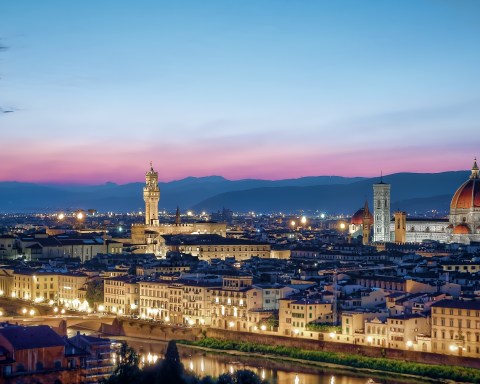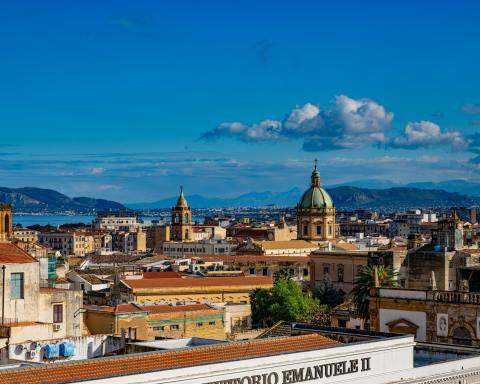


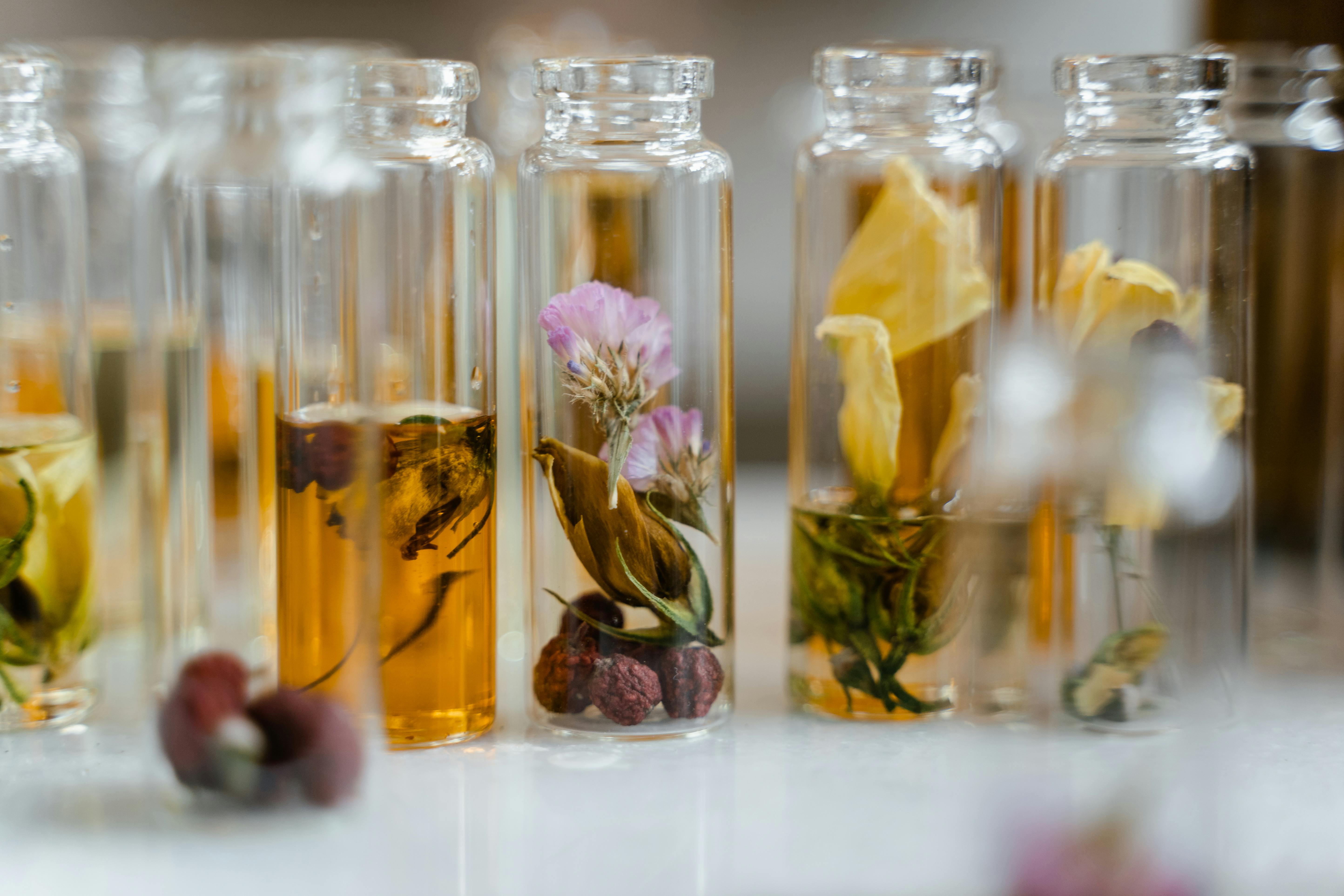
When the sudden, violent, and incredibly fragrant explosion of the Italian spring finally detonates across the peninsula, saturating the damp, warming air from the jagged, alpine borders of Piedmont to the sun-baked, salt-crusted coastlines of Sicily with an almost unbearable, dizzying botanical intensity, a highly secretive, obsessive, and profoundly alchemical industry quietly shifts into absolute overdrive, desperately rushing to harvest, extract, and permanently immortalize this fleeting, chaotic seasonal miracle before the brutal, scorching heat of the Mediterranean summer inevitably scorches the delicate petals into dust. This is the hidden, hyper-exclusive, and fiercely competitive world of Italian haute parfumerie, a realm that exists entirely entirely beyond the sterile, mass-produced, and aggressively marketed synthetic chemical cocktails that dominate the gleaming, glaringly lit aisles of global duty-free shops, rooting itself instead deeply within a centuries-old, almost mystical tradition that miraculously bridges the silent, deeply spiritual isolation of medieval monastic apothecaries with the hyper-modern, scientifically rigorous laboratories of the world’s most celebrated and fiercely independent contemporary “noses.” To truly understand the gravity, the historical weight, and the astonishing sensory complexity of this uniquely Italian art form, one must first physically cross the threshold of institutions like the legendary Officina Profumo-Farmaceutica di Santa Maria Novella in Florence, arguably the oldest continuously operating pharmacy on the entire planet, where Dominican friars began meticulously cultivating highly medicinal herbs, pungent roots, and intensely fragrant flowers in their walled, secret cloister gardens shortly after the year 1221, utilizing incredibly rudimentary, terrifyingly complex copper alembics to distill miraculous floral waters, potent elixirs, and soothing balms that were desperately sought after by the incredibly wealthy, deeply paranoid Medici court to mask the overwhelming, suffocating stench of a city constantly ravaged by plague and utterly devoid of modern sanitation. Stepping directly from the chaotic, sun-drenched, and aggressively loud Florentine streets into the cavernous, vaulted, and deeply shadowed sales rooms of the Officina is a profoundly disorienting, almost religious sensory experience; the air is incredibly thick, heavy, and cool, permanently impregnated with a mesmerizing, centuries-old olfactory cocktail of sharp, medicinal camphor, sweet, powdery Florentine iris—the absolute, undisputed holy grail of the perfume industry, requiring three excruciating years of subterranean cultivation and another three agonizing years of careful, meticulous drying before its gnarled, ugly rhizomes finally yield their incredibly precious, violet-scented absolute—bitter almond, rich, buttery vanilla, and the incredibly sharp, refreshing, and deeply historical bite of Acqua della Regina, the legendary, citrus-forward citrus cologne originally commissioned by Caterina de’ Medici herself before she departed for France in 1533 to aggressively introduce the unwashed French court to the sophisticated, life-altering concept of personal hygiene and fine fragrance. Today, this profound, unbroken lineage of botanical mastery is being fiercely protected, radically reinvented, and aggressively propelled into the twenty-first century by a new, brilliant generation of independent Italian master perfumers, visionary creators who stubbornly refuse to rely on the cheap, predictable, and flat synthetic molecules pumped out by massive multinational chemical conglomerates, opting instead to source their raw, volatile, and incredibly expensive materials directly from the incredibly diverse, wildly beautiful, and fiercely challenging micro-climates of the Italian peninsula itself. In the deep, sun-drenched south, where the air is thick with the scent of ancient, crumbling stone and the salty, iodine-rich breath of the sea, these modern alchemists obsessively harvest the incredibly rare, incredibly precious sponge-pressed Bergamot of Calabria, a strangely deformed, incredibly bitter citrus fruit that absolutely refuses to grow anywhere else on the planet, yielding an essential oil so violently bright, effervescent, and aggressively green that it forms the structural backbone of almost every great cologne ever created, while simultaneously, high up on the treacherous, terraced cliffs of the Amalfi Coast, local families continue the backbreaking, generational labor of hand-picking millions of delicate, waxen orange blossoms precisely at dawn, before the intense heat of the Mediterranean sun can evaporate their intoxicating, narcotic, and deeply sensual indole compounds, which are then meticulously coaxed out through incredibly slow, agonizingly delicate enfleurage or modern supercritical fluid extraction to capture the exact, fleeting, and heartbreakingly beautiful essence of an Italian spring morning. This obsessive, maniacal dedication to the raw, unadulterated terroir of the ingredient transforms the final, meticulously blended perfume from a mere cosmetic accessory into a deeply emotional, highly evocative, and incredibly powerful invisible landscape, a liquid, wearable piece of geography that possesses the terrifying, almost magical ability to completely bypass the logical, rational centers of the human brain and strike directly at the most primal, deeply buried reservoirs of memory and emotion, instantly, violently transporting the wearer back to a specific, sun-drenched afternoon spent wandering through a blooming, overgrown Sicilian jasmine garden, or a cool, damp evening standing on the rocky, pine-scented shores of a northern lake, proving definitively that while the vibrant, explosive colors of the Italian spring must inevitably, tragically fade with the turning of the seasons, its profound, intoxicating, and utterly unique soul can, with infinite patience, extraordinary skill, and a touch of absolute genius, be captured, bottled, and preserved forever.
Discover more from The Ambassador
Subscribe to get the latest posts sent to your email.