

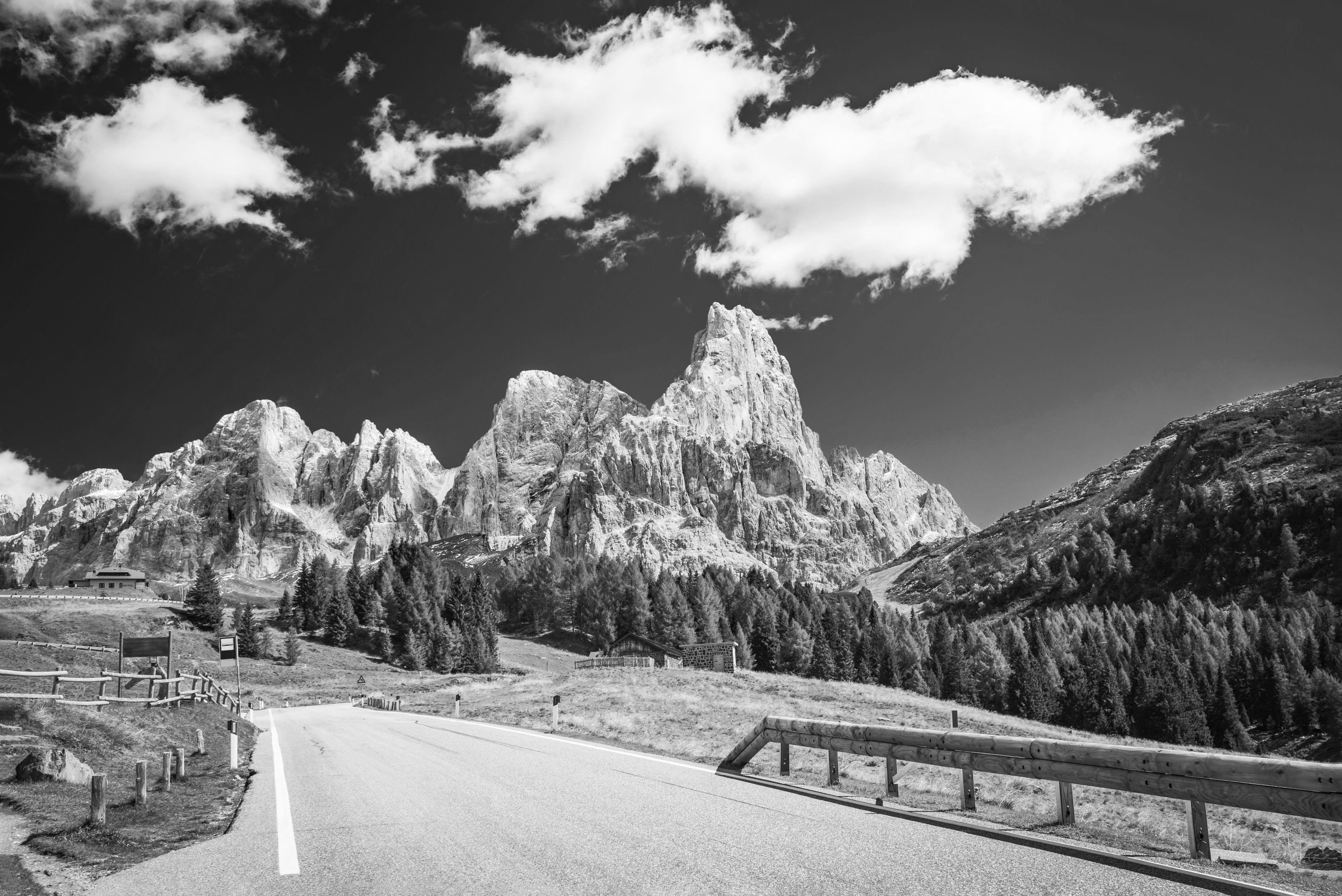
Tucked in the heart of the Italian Dolomites, San Martino di Castrozza is a picturesque village that captivates visitors with its breathtaking landscapes, abundant outdoor activities, and rich cultural heritage. From thrilling trekking itineraries to delectable local cuisine, this alpine gem offers an unforgettable experience for nature lovers and adventure seekers alike.
Trekking itineraries and hiking trails
San Martino di Castrozza is a paradise for hikers and trekkers, boasting an extensive network of trails that cater to all levels of experience. The majestic Pale di San Martino massif provides a stunning backdrop for numerous routes. One of the most renowned is the Alta Via No. 2, also known as “The Way of the Legends.” This long-distance trail takes trekkers through dramatic peaks, lush valleys, and historic mountain huts called rifugi. It’s ideal for seasoned adventurers seeking multi-day excursions immersed in nature’s grandeur.
For those looking for a moderate hike with rewarding views, the trail to Rifugio Rosetta Giovanni Pedrotti is a perfect choice. Accessible via the Colverde gondola and Rosetta cable car, the route offers panoramic vistas of the plateau and surrounding peaks. Families and casual hikers might enjoy the Val Venegia path, which winds through enchanting forests and meadows, culminating in unparalleled views of the Cimon della Pala, often called the “Matterhorn of the Dolomites.”
Another scenic hike leads to the Laghi di Colbricon, two serene alpine lakes nestled amid larch forests. This tranquil setting is perfect for a peaceful picnic and photography, offering a glimpse into the unspoiled beauty of the region.
Alpine lakes and natural wonders
The region is dotted with crystal-clear lakes and natural sites that highlight the Dolomites’ unique geology. Lake Calaita, situated at 1,621 meters above sea level, is surrounded by pine forests and offers stunning reflections of the Pale di San Martino peaks on its tranquil surface. It’s an ideal spot for relaxation and fishing, drawing visitors seeking serenity amid nature.
The Paneveggio-Pale di San Martino Natural Park, known as the “Forest of Violins,” is famed for its resonant spruce trees used by luthiers like Antonio Stradivari. The park features diverse flora and fauna, with well-marked trails and educational centers that provide insights into the region’s ecological significance. Another area of interest is the Valles Pass, a gateway to high-altitude trails and rich biodiversity, offering opportunities to spot marmots and alpine ibex in their natural habitats.
Rich wildlife and fauna
Wildlife enthusiasts will delight in the abundant fauna native to the Dolomites. The steep slopes and rocky outcrops are home to chamois and alpine ibex, frequently seen grazing in these rugged terrains. Red deer roam the forests, and during autumn, the males’ resonant calls echo through the valleys during the rutting season. Birdwatchers can spot golden eagles and bearded vultures soaring above the peaks, while marmots charm visitors in the alpine meadows, especially during the warmer months. The dense forests also serve as habitats for the elusive capercaillie and black grouse, rare birds that add to the region’s natural allure.
Guided wildlife tours and visits to the park’s visitor centers offer deeper insights into conservation efforts and the habits of these animals, enriching the experience for nature lovers.
Culinary specialties and traditional dishes
San Martino di Castrozza’s gastronomy is a flavorful fusion of Italian and Tyrolean influences, offering hearty dishes that reflect the alpine environment. One local favorite is canederli, bread dumplings enriched with speck (smoked ham), cheese, or spinach, served in broth or with melted butter. Polenta e funghi is another staple, featuring creamy cornmeal polenta paired with locally foraged mushrooms like porcini, providing a taste of the forest’s bounty.
Strangolapreti, spinach and bread dumplings seasoned with sage, are served with melted butter or a light sauce, delighting the palate with simple yet rich flavors. Speck, the cured and smoked ham that’s a regional staple, is often enjoyed with dark rye bread and pickles. Cheese lovers can savor Puzzone di Moena, a robust, aromatic cheese perfect for tasting with local honey or jams. For a sweet finish, zelten, a traditional fruitcake made with dried fruits, nuts, and spices, is typically enjoyed during festive seasons.
Local restaurants and mountain huts provide an authentic dining experience, where meals are prepared using fresh, locally sourced ingredients. These dishes are often paired with regional wines like Teroldego Rotaliano or Marzemino, or with craft beers from nearby breweries, offering a full immersion into the area’s culinary traditions.
Embracing the alpine lifestyle
Life in San Martino di Castrozza revolves around a deep connection with nature and community traditions. Seasonal festivals like the Festa della Montagna celebrate mountain culture with music, dancing, and culinary showcases. Artisan markets display local craftsmanship, featuring wood carvings, woven textiles, and other traditional crafts that reflect the region’s heritage.
Wellness and relaxation are integral parts of the lifestyle, with many hotels offering spa facilities that feature alpine herbs and mineral-rich treatments—perfect after a day of exploration. The combination of outdoor activities and wellness practices contributes to a balanced and fulfilling experience for both residents and visitors.
Practical information for visitors
Despite its mountain setting, San Martino di Castrozza is accessible via well-maintained roads and public transport. The nearest airports are in Venice and Treviso, with transfers available. Accommodation options range from cozy bed and breakfasts to luxury hotels and self-catering apartments, catering to various preferences and budgets. The best time to visit depends on your interests: summer (June to September) offers ideal conditions for hiking and wildlife observation, while winter (December to March) is perfect for skiing and snow sports.
San Martino di Castrozza is more than just a travel destination—it’s an invitation to immerse oneself in the beauty and traditions of the Italian Alps. Whether trekking along scenic trails, savoring rich culinary delights, or encountering the local wildlife, visitors are sure to create lasting memories in this enchanting mountain haven.
Article written with the help of AI
Discover more from The Ambassador
Subscribe to get the latest posts sent to your email.