

April 29th, the world unites to celebrate International Dance Day, an annual observance established in 1982 by the Dance Committee of the International Theatre Institute (ITI), a UNESCO partner NGO. This date was chosen to commemorate the birth anniversary of Jean-Georges Noverre (1727–1810), a pioneering French dancer and choreographer who is widely regarded as the creator of modern ballet. The day serves as a global tribute to dance in all its forms, transcending cultural, ethnic, and political barriers, and aims to raise awareness of dance as an art form and its ability to unite people. It is a moment to celebrate the universality of dance and its power to express the full spectrum of human emotion and experience.
Italy Embraces the Rhythm: Nationwide Celebrations
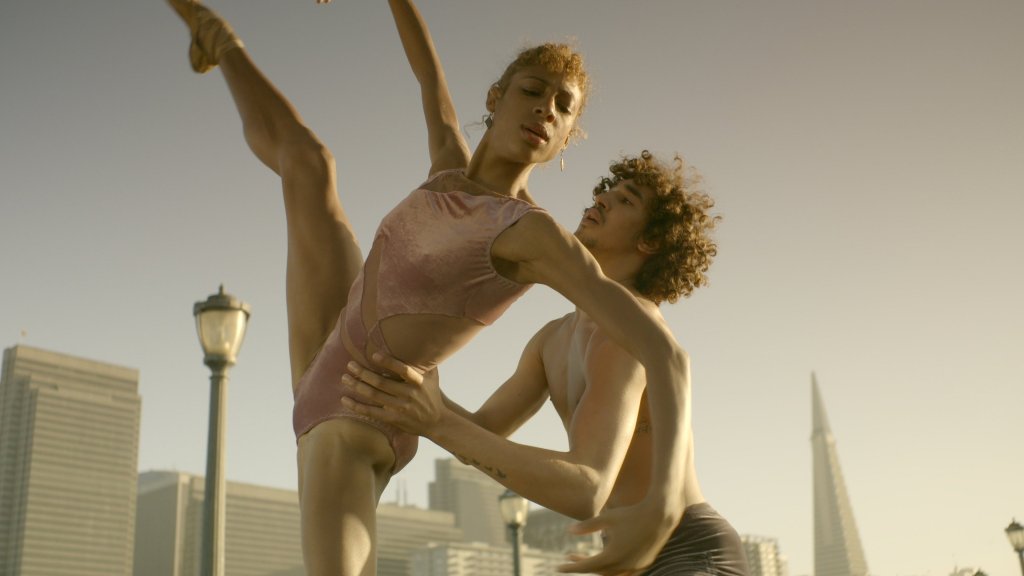
In Italy, a nation where art flows through the veins of its history and its people, International Dance Day is met with characteristic passion and widespread participation. From grand opera houses to intimate studios, from historic piazzas to contemporary urban spaces, events unfold across the peninsula to honour this dynamic art form. While specific programmes vary each year, the spirit remains constant: a collective celebration of movement, creativity, and the sheer joy of dancing. Dance schools often open their doors for free lessons and workshops, theatres host special performances and galas, and cultural associations organise flash mobs, open-air exhibitions, and public discussions about the role of dance in society. Cities like Rome, Milan, Naples, and Venice, with their deep ties to the performing arts, typically become focal points for these activities, hosting events that range from classical ballet showcases to contemporary dance performances and traditional folk dance displays, reflecting the diverse landscape of Italian dance. Festivals dedicated to dance also often align events around this period, further amplifying the celebratory atmosphere and drawing in both seasoned enthusiasts and newcomers to the art form.

Legends on Pointe: Italian Dance Icons
Italy has gifted the world an extraordinary lineage of dancers who have left an indelible mark on the history of ballet and contemporary dance. These artists, with their impeccable technique, profound expressiveness, and charismatic stage presence, have become true icons, embodying the dedication and artistry inherent in Italian dance training.
Foremost among them is the legendary Carla Fracci. Often referred to as “l’Assoluta,” Fracci was an étoile of Teatro alla Scala in Milan and achieved international superstardom, gracing the stages of the American Ballet Theatre, the Royal Ballet, and many other prestigious companies. Renowned for her ethereal grace and dramatic intensity, she was particularly celebrated for her interpretations of Romantic ballet roles such as Giselle and Swanilda in Coppélia. Her career spanned decades, making her a symbol of Italian balletic excellence and an inspiration for generations of dancers.
Another luminary is Alessandra Ferri, celebrated for her profound emotional depth and compelling theatricality. An étoile of the American Ballet Theatre and a principal guest artist with the Royal Ballet, Ferri captivated audiences with her powerful dramatic roles, forging a unique path in contemporary ballet while maintaining a strong classical foundation. Her ability to convey complex emotions through movement has made her one of the most respected dramatic ballerinas of her time.
Eleonora Abbagnato represents Italian excellence on the international stage as a former étoile at the Opéra national de Paris, one of the world’s most prestigious ballet companies. Known for her versatile technique and radiant stage presence, she later returned to Italy to take on directorial roles, contributing to the leadership of Italian ballet institutions.
Tracing back, the elegance and technical brilliance of Elisabetta Terabust significantly influenced Italian ballet in the latter half of the 20th century. As an étoile who danced with major Italian and international companies, she was a pivotal figure in transmitting the classical repertoire and setting high standards for subsequent generations.
Among male étoiles, Massimo Murru, a former étoile of Teatro alla Scala, is celebrated for his noble presence and remarkable partnering skills. His strong technique and refined artistry made him a sought-after partner and a beloved figure on the Italian dance scene for many years.
In the contemporary landscape, Federico Bonelli has carved out a distinguished international career as a principal dancer with the Royal Ballet in London. Known for his clean lines and elegant style, Bonelli continues the tradition of Italian male dancers excelling on the world’s premier stages.
These are but a few examples of the incredible talent Italy has produced, each dancer contributing uniquely to the rich tapestry of global dance.
Roberto Bolle’s Vision: Dance Meets Art and Architecture
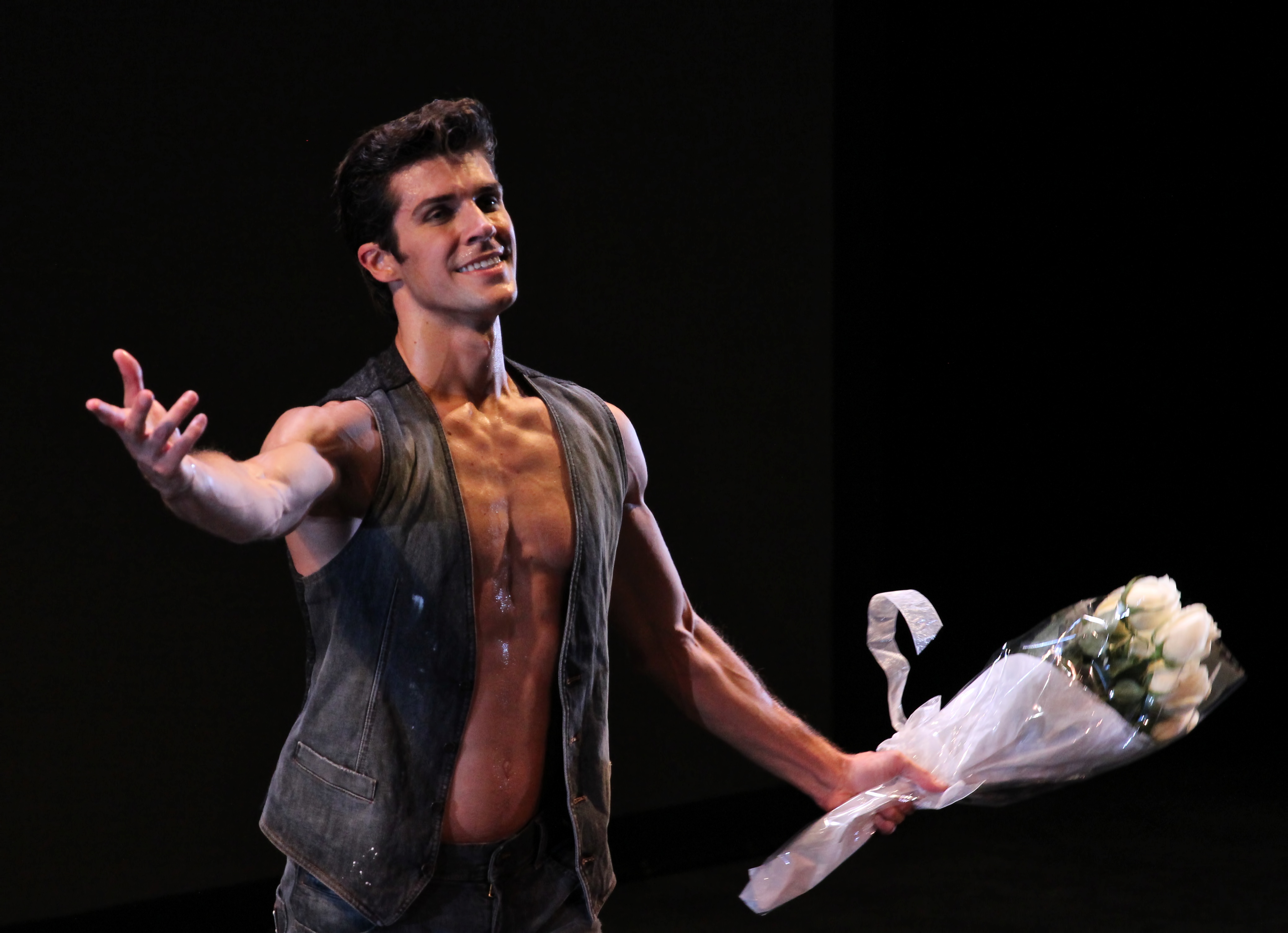
In the realm of contemporary Italian dance, Roberto Bolle stands as a preeminent figure – an étoile of Teatro alla Scala and a Principal Dancer with the American Ballet Theatre. Beyond his dazzling performances, Bolle is a tireless advocate for dance, committed to expanding its audience and showcasing its power to intersect with other art forms and monumental spaces. For International Dance Day 2025, Bolle has spearheaded significant initiatives that perfectly encapsulate this vision, bringing dance to unexpected and breathtaking locations across Italy.
A central element of his celebration this year is the ambitious “Viva la Danza” project, presented on Rai 1. This televised event transforms some of Italy’s most iconic artistic and architectural marvels into spectacular stages for dance. Among the most anticipated segments is a performance captured within the hallowed halls of Palazzo Barberini in Rome, a Baroque masterpiece housing the Galleria Nazionale d’Arte Antica. Here, Bolle has chosen to engage in a profound dialogue with the works of Caravaggio, the revolutionary master of light and shadow. Dancing amidst Caravaggio’s dramatic canvases, Bolle creates a mesmerizing fusion of movement and painting. This specific performance is deeply linked to the acclaimed ballet Caravaggio by choreographer Mauro Bigonzetti, a work that Bolle has been instrumental in bringing to a wider audience in Italy. The performance at Palazzo Barberini is not merely a dance in a museum; it is a carefully conceived artistic dialogue, where the lines and forms of Bolle’s body mirror the tension and dynamism of Caravaggio’s figures, and the interplay of light and shadow in the dance echoes the painter’s revolutionary use of chiaroscuro. Performing in such close proximity to these masterpieces offers a unique perspective, highlighting the shared principles of composition, emotion, and narrative that connect the visual and performing arts across centuries.
Beyond Palazzo Barberini, “Viva la Danza” extends this concept to other magnificent Italian locations, transforming spaces like the historic Teatro La Fenice, the majestic Palazzo Ducale, and the exquisite Ca’ d’Oro in Venice, as well as the esteemed Teatro Filarmonico in Verona, into backdrops for breathtaking choreographies. By bringing world-class dance performances to these cultural landmarks, Bolle not only celebrates dance but also showcases Italy’s unparalleled artistic heritage to a vast television audience, reinforcing the idea that dance is a vital and integral part of Italian culture. His initiative is a powerful statement about the accessibility of dance and its ability to thrive outside traditional theatre settings, finding new resonance when placed in dialogue with Italy’s rich history and stunning architecture.

The Future on Pointe: Investing in Italy’s Dance Legacy
As we celebrate International Dance Day, it is also a moment to look towards the future of dance in Italy. The legacy of icons like Carla Fracci and the dynamic work of contemporary stars such as Roberto Bolle underscore the immense talent that the country possesses. However, maintaining and elevating this standard requires continuous investment, particularly in the training and development of young dancers.
Ensuring a bright future for Italian dance necessitates nurturing talent from a very young age. This involves supporting dance schools and academies across the country, providing aspiring dancers with access to world-class training in both classical and contemporary techniques. It means offering scholarships and opportunities that allow promising students to dedicate themselves fully to their demanding art form, regardless of their socioeconomic background. Furthermore, it requires fostering a vibrant ecosystem for dance creation and performance, with opportunities for emerging choreographers and dancers to showcase their work and develop their artistic voices.
Investing in the next generation is not just about preserving a tradition; it is about ensuring that Italy continues to be a protagonist on the global dance stage, contributing new ideas, techniques, and artistic expressions. By prioritizing dance education and providing pathways for professional development, Italy can empower young dancers to reach their full potential, carrying forward the torch of Italian artistry and innovation for decades to come. The passion and dedication are already present in abundance; what is needed is the sustained support to allow this talent to flourish and continue to enrich the world of dance.
International Dance Day serves as a powerful reminder of the beauty, discipline, and unifying force of dance. In Italy, this day is a testament to a living heritage, celebrated with a forward-looking vision that seeks to inspire the dancers and choreographers who will shape the future of this captivating art form.
Article written with help of AI
Discover more from The Ambassador
Subscribe to get the latest posts sent to your email.