

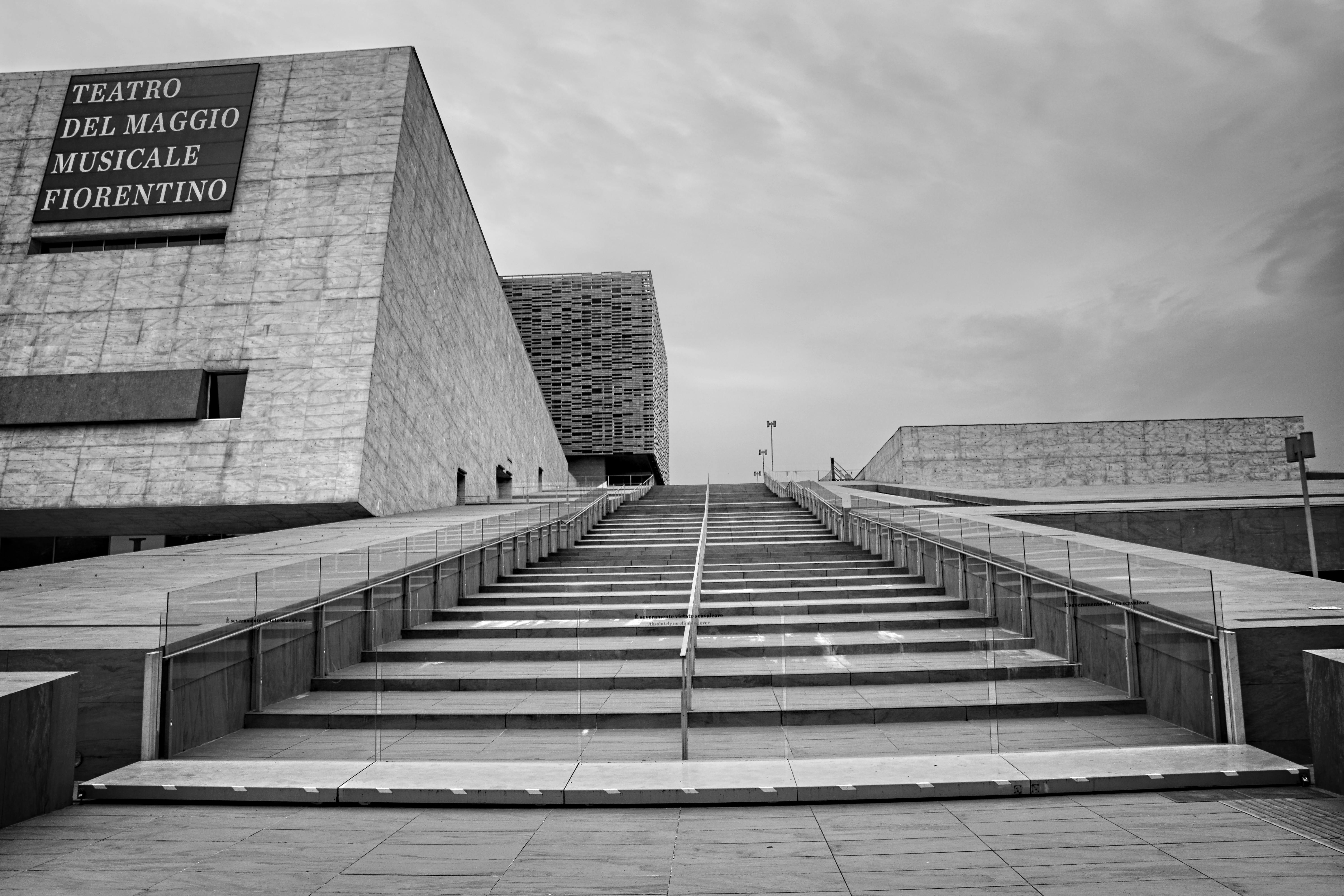
When the incredibly heavy, perfectly engineered, and completely soundproofed acoustic doors of Florence’s strikingly modern, fiercely geometric opera house finally, decisively seal tightly shut against the chaotic, beautifully distracting, and deeply historical evening noise of the ancient Renaissance capital, a profound, deeply reverent, and utterly absolute silence violently descends upon the cavernous, dramatically illuminated auditorium. This is the legendary Maggio Musicale Fiorentino, a fiercely prestigious, historically monumental, and globally revered institution that proudly, stubbornly stands as the undisputed, fiercely protected acoustic pinnacle of the Italian symphonic and operatic calendar, a monumental temple where the frantic, deeply disorganized, and wildly unpredictable reality of the outside world is violently, beautifully replaced by the rigorous, agonizingly precise, and fiercely mathematical logic of a perfect musical score. To completely strip this magnificent, highly formal, and deeply sensory auditory experience of its rich, historically distracting theatrical colors—the deep, heavy crimson velvets of the seating, the glittering, highly reflective gold leaf of the traditional royal boxes, and the vivid, highly saturated, and wildly dramatic stage costumes—specifically through the stark, aggressively unforgiving, and deeply romantic lens of high-contrast black and white photography is to miraculously, spectacularly reveal the true, underlying architectural genius and the sheer, awe-inspiring physical mechanics of orchestral perfection with breathtaking, heartbreaking emotional clarity. The harsh, deeply dramatic monochrome aesthetic violently, beautifully accentuates the stark, highly graphic, and deeply elegant visual dichotomy of the legendary, highly disciplined orchestra itself: the blindingly crisp, sharply ironed, and brilliantly illuminated white dress shirts, immaculate silk bow ties, and stiff wing collars are violently, spectacularly juxtaposed against the deep, impenetrable, and fiercely formal black wool of the impeccably tailored evening tailcoats. In the deeply shadowed, intensely focused, and remarkably claustrophobic confines of the sunken orchestra pit, the harsh, violently slanting theatrical spotlights aggressively catch the spectacular, highly polished, and fiercely metallic reflections of the massive brass tubas, the intricate, highly complex silver keys of the frantically clicking woodwinds, and the smooth, highly varnished, and deeply curved wooden backs of the heavily vibrating cellos, while simultaneously, ruthlessly carving out the deep, labyrinthine lines of absolute, unblinking concentration permanently etched into the incredibly disciplined, heavily perspiring faces of the master musicians. The stark, incredibly unforgiving absence of color beautifully, violently magnifies the intense, almost terrifying physical exertion required to produce such delicate, ethereal beauty; one can vividly, physically see the microscopic, swirling clouds of crushed white rosin violently erupting from the furiously moving horsehair bows as they aggressively, rhythmically strike the tightly wound steel strings of the massed violins, creating a frantic, highly kinetic visual storm that perfectly, flawlessly mirrors the escalating, terrifying tension of the musical narrative. The absolute, undeniable, and fiercely kinetic focal point of this massive, highly coordinated, and deeply breathing human machine is the solitary, dramatically illuminated, and fiercely commanding figure of the maestro standing elevated upon the central podium, whose incredibly sharp, wildly expressive, and deeply commanding physical gestures are visually captured by the monochrome lens as a mesmerizing, ghostly motion blur of pure, unadulterated musical authority, a fierce, violently energetic, and deeply physical pantomime that flawlessly, miraculously dictates the exact, terrifying dynamic shifts, the violent, crashing crescendos, and the delicate, heartbreaking, and impossibly quiet diminuendos of the incredibly complex symphonic masterpiece. The incredibly sleek, hyper-modern, and fiercely architectural lines of the auditorium’s massive, acoustically perfect wooden baffles aggressively loom in the deep, heavily shadowed, and remarkably vast background, creating a stark, deeply imposing, and remarkably geometric visual framework that perfectly, flawlessly contains the massive, invisible, and violently swelling waves of pure acoustic energy aggressively radiating out from the heavily crowded stage directly into the deeply shadowed, utterly silent, and profoundly captivated audience. To physically witness a breathtaking, flawlessly executed, and fiercely energetic performance of a devastatingly complex Verdi overture or a thunderous, deeply tragic Mahler symphony entirely through this harsh, highly clarifying, and deeply dramatic black and white visual aesthetic is to completely, beautifully understand that true, enduring musical genius is absolutely not a mere, invisible, and deeply abstract auditory illusion, but rather a profoundly physical, fiercely mechanical, and incredibly demanding human endeavor. It represents a profound, highly resilient, and deeply moving testament to the stubborn, visionary, and incredibly hardworking Italian artists who have successfully, beautifully, and aggressively forced the silent, heavy, and deeply imposing darkness of the modern, hyper-engineered concert hall to finally, respectfully, and permanently vibrate with the absolute, undeniable, and fiercely elegant supremacy of their meticulously rehearsed, breathtakingly perfect, and fiercely immortal sonic creations, proving definitively, once and for all, that the true, agonizingly beautiful soul of the Italian musical tradition absolutely does not require the superficial, distracting crutch of vibrant, saturated color to effectively, violently pierce the human heart, but relies entirely, unequivocally upon the sheer, unadulterated, and terrifyingly precise mechanical mastery of the dedicated human hand completely surrendered to the overwhelming, transcendental power of the composer’s eternal, deeply magnificent vision.
Discover more from The Ambassador
Subscribe to get the latest posts sent to your email.