

Verona Shines as the Epicenter of Global Viticulture
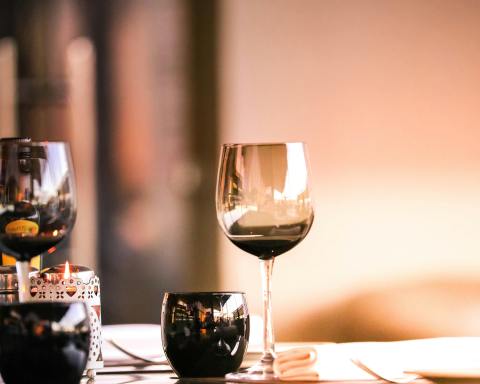
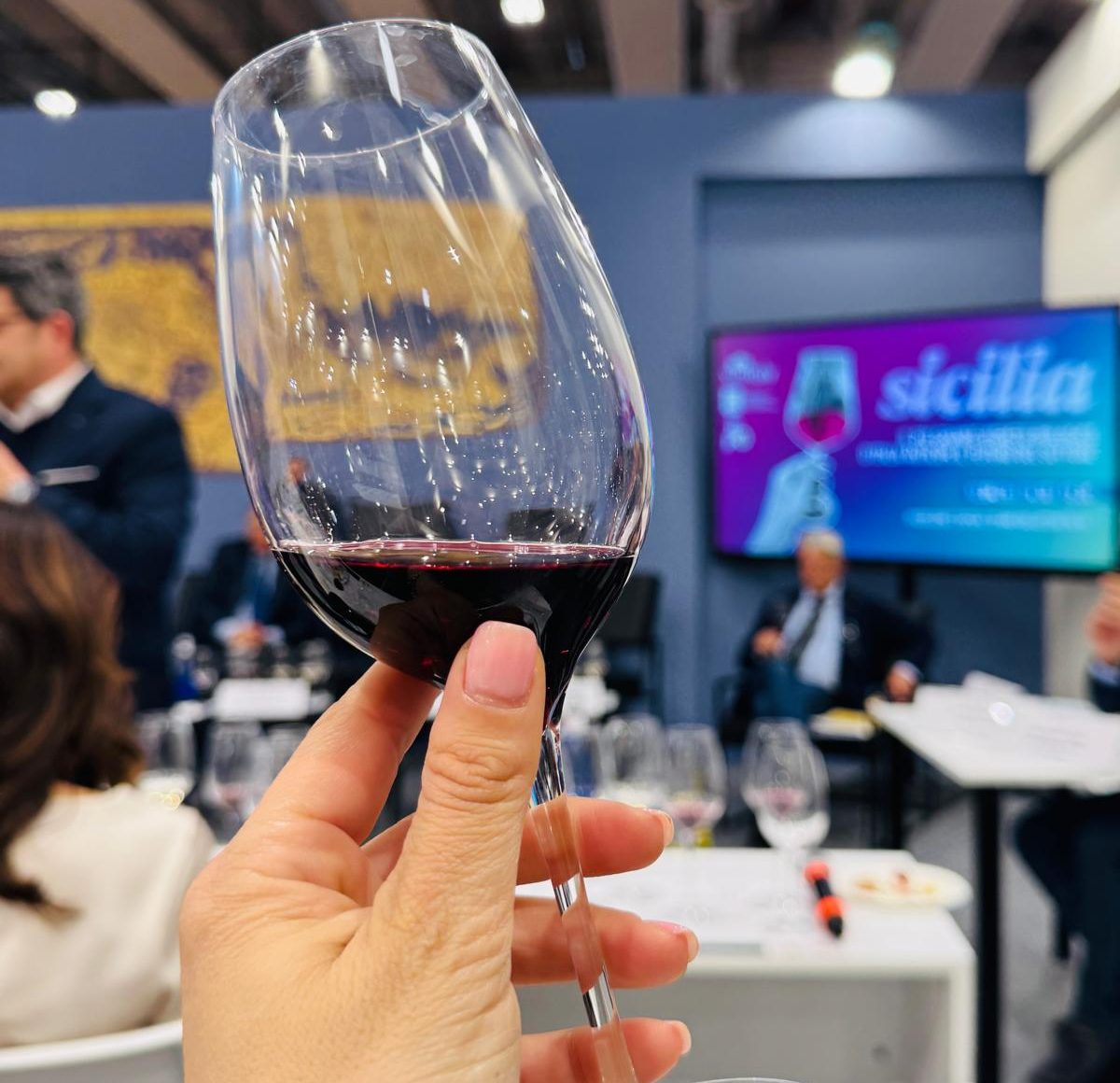
The historic city of Verona has once again proven its unquestionable status as the beating heart of the international wine trade. The 2026 edition of Vinitaly has closed its doors to resounding success, registering a remarkable attendance of 90,000 professionals, buyers, and enthusiasts. However, this impressive numerical milestone tells only part of the story. The true triumph lies in the vibrant, cosmopolitan atmosphere that permeated the exhibition halls, serving as a powerful testament to the magnetic appeal of Italian wine. The event transformed the city into a dynamic global forum where centuries of deeply rooted agronomic tradition seamlessly intersected with the fast-paced, sophisticated demands of modern global commerce, proving that the allure of Italian craftsmanship remains entirely unrivaled.
Mastering Internationalization and Reaching 135 Nations
From an economic and strategic perspective, Vinitaly 2026 delivered a masterclass in internationalization. Welcoming delegates from an astonishing 135 different nations, the exhibition clearly delineated the current global roadmap for Italian exports. There was a highly reassuring consolidation of relationships within historically strong markets, such as North America and Northern Europe, where the appreciation for Italian labels is deeply woven into the cultural fabric. More importantly, however, the fair functioned as a vital launchpad for penetrating new, rapidly developing economic areas. Italian producers demonstrated exceptional entrepreneurial agility, engaging in high-level B2B negotiations to forge lucrative partnerships in emerging economies. This sophisticated dual strategy—nurturing traditional strongholds while boldly pursuing new commercial frontiers—highlights the profound maturity of an industry that refuses to rest on its laurels.
The Economic Engine of the Italian Wine Industry
To fully comprehend the significance of Vinitaly, one must look beyond the glass and recognize the wine sector as a formidable engine of the Italian economy. The robust attendance figures in Verona reflect a sprawling, interconnected supply chain that drives national revenue, sustains generational employment, and fuels collateral industries ranging from advanced agricultural technology to luxury hospitality and enotourism. The business conducted during these few days in Verona injects vital capital into rural communities across the Italian peninsula, funding further research and development. In this light, every successful export agreement signed at the fair is a victory for the broader ‘Made in Italy’ ecosystem, reinforcing the nation’s reputation for combining artisanal passion with sharp financial acumen.
Sustainability as the New Standard of Luxury
Beyond the impressive economic metrics, this edition of Vinitaly served as a vivid showcase of the intrinsic values that currently define Italian excellence. A prominent theme throughout the pavilions was the industry’s unwavering commitment to environmental stewardship. Italian winemakers are increasingly leading the global charge in sustainable agriculture, integrating cutting-edge technology to reduce carbon footprints without ever compromising the rich, historical heritage of their native terroirs. This forward-thinking approach proves that modern luxury is inextricably linked to responsibility. Every bottle presented in Verona encapsulated a story of rigorous quality control, deep respect for the land, and a visionary approach to farming. This dedication to sustainable excellence is what truly distinguishes Italian viticulture on the world stage, elevating it from a mere agricultural commodity to a prestigious ambassador of Italian culture and entrepreneurial brilliance.
Discover more from The Ambassador
Subscribe to get the latest posts sent to your email.