

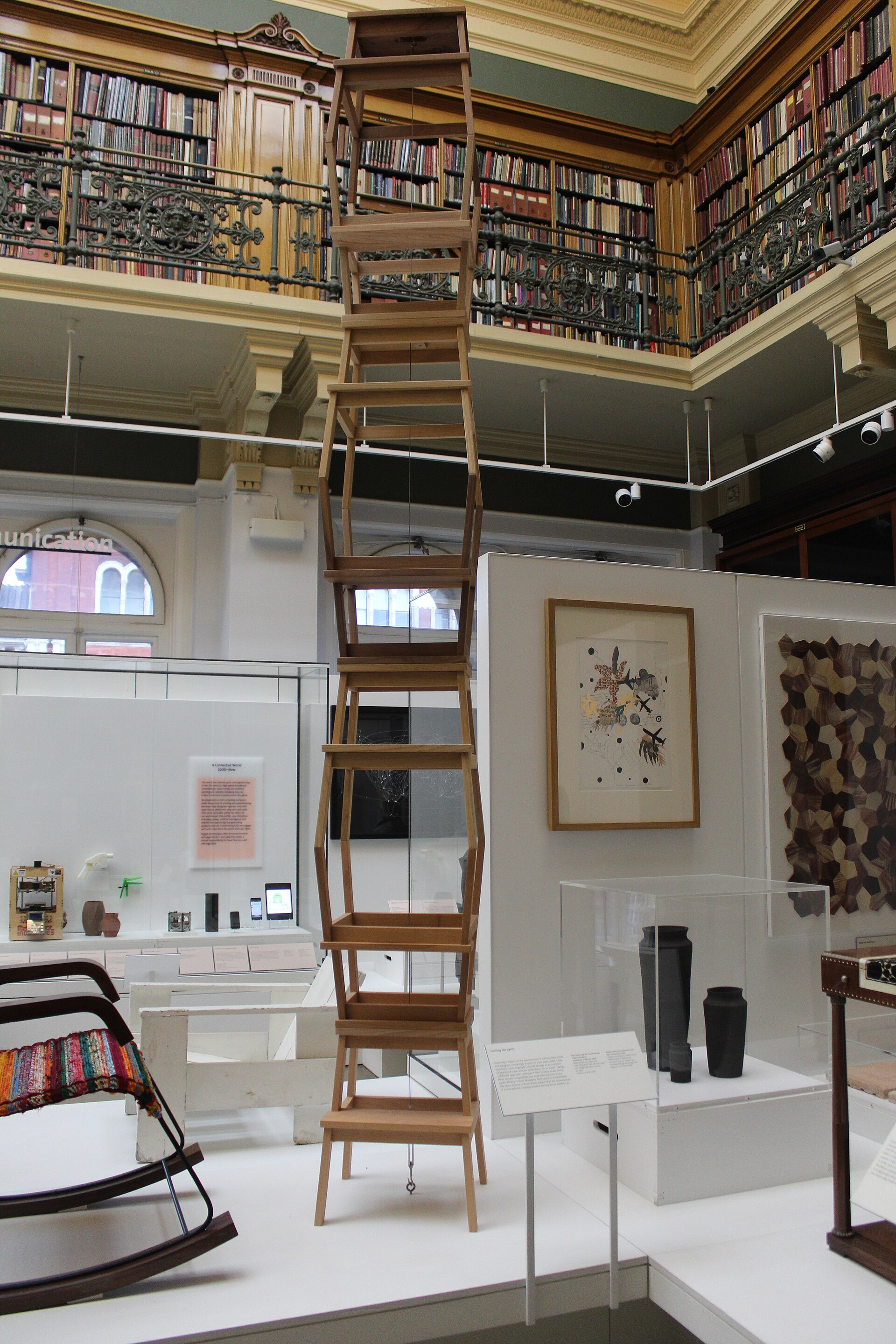
Industrial design historically functioned as an instrument of surface indulgence, masking the heavy, aggressive mechanics of resource extraction beneath a smooth veneer of luxury and consumerist appeal. For decades, global markets prioritized the superficial geometry of the object, entirely decoupling the finished luxury commodity from the environmental and geopolitical realities of its material genesis. Today, this paradigm faces a systematic, intellectual deconstruction led by the uncompromising analytical vision of Formafantasma. The studio, founded by Andrea Trimarchi and Simone Farresin, operates as a high-performance research laboratory that treats the discipline of design not as the creation of form, but as an anatomical autopsy of global supply chains. Based between Italy and the vital creative capitals of northern Europe, these Italian visionaries have elevated the domestic heritage of rationalist design to a form of planetary intelligence. Through the stark, unblinking lens of high-contrast monochrome photography, their installations and products are stripped of industrial artifice, exposing the raw, underlying skeletal structures of global production and forcing the international elite to confront the true, material weight of contemporary luxury.
Geopolitical Material Dissection
The investigative methodology of Formafantasma operates with an analytical rigour that aligns more closely with political ecology and corporate forensic science than with traditional interior decoration. In their seminal research frameworks, such as the critically acclaimed investigations into the global timber industry and electronic waste infrastructure, the duo systematically tracks the violent movement of matter across international boundaries. They disrobe consumer electronic devices and mass-produced furniture elements to expose the hidden flows of rare earth minerals, endangered hard woods, and recycled polymers that bind corporate balance sheets to compromised ecological landscapes. This approach transforms the physical object into a historical document, an intricate map of global extraction that details the environmental friction required to fuel modern economic acceleration.
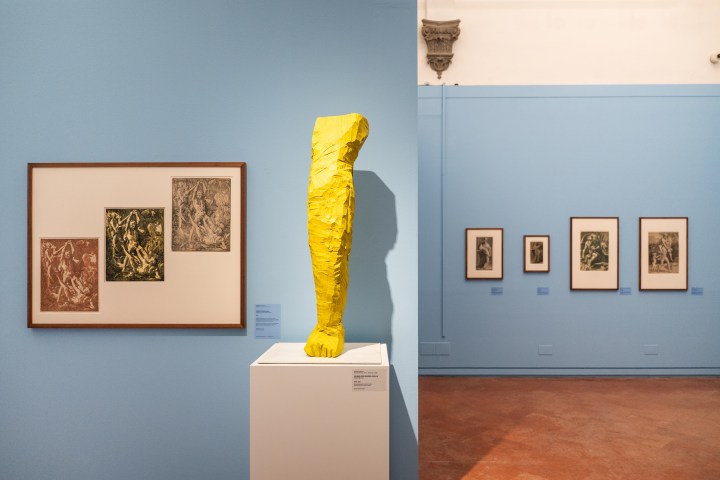
In the dramatic chiaroscuro of their exhibition spaces, this investigative depth assumes a powerful, monumental presence. The monochrome frame captures these environments as austere landscapes of absolute intellectual clarity, where raw timber logs, dissected circuit boards, and industrial metal ingots stand like ancient, shadowed pillars against blindingly white gallery walls. The slanting, clinical rays of laboratory spotlights pierce the dark atmosphere, carving out the sharp contours of fragmented materials and highlighting the microscopic textures of industrial waste with complete graphic intensity. There are no comforting colors to soften the narrative; instead, the stark black-and-white aesthetic forces the viewer to observe the direct, unadulterated reality of the substance itself. The physical grain of a centuries-old oak tree or the precise, metallic layout of a discarded microchip is exposed with surgical precision, transforming the act of observation into a profound engagement with the heavy, material reality of our contemporary industrial civilization.
Strategic Intellectual Property and Corporate Capitalization
The profound impact of this radical design paradigm extends far beyond the institutional walls of international museums, functioning as a high-margin engine of corporate transformation for global luxury brands. Modern multinational corporations, facing tightening environmental regulations and shifting investor mandates regarding long-term resource security, increasingly depend on Formafantasma’s strategic consulting to future-proof their manufacturing models. By re-engineering the supply chains of corporate giants within the lighting, furniture, and luxury cosmetics sectors, the studio translates abstract ecological ethics into highly optimized industrial processes that maximize material efficiency and reduce operational overheads. This represents a lucrative, forward-looking expression of the Made in Italy brand, where the primary export is no longer the physical commodity, but the sophisticated intellectual property required to navigate the complexities of twenty-first-century industrial production.
From a macroeconomic perspective, this shift toward research-driven design creates immense financial value by establishing a new benchmark for corporate asset optimization. High-end manufacturing enterprises that implement these closed-loop material strategies report a substantial strengthening of their brand equity and a significant mitigation of regulatory risk, ensuring long-term institutional stability within a volatile global marketplace. International design conglomerates and private equity funds actively invest in these progressive Italian models, recognizing that the capacity to transform industrial waste streams into premium, high-margin consumer products constitutes a formidable competitive advantage. The field of contemporary design is thus permanently salvaged from the whims of transient seasonal trends, positioning the Italian creative intellect as an indispensable architect of global corporate sustainability and redefining the baseline metrics of material luxury on a planetary scale.
Architecture of Resource Truth
To experience the physical realizations of Formafantasma’s corporate collaborations is to witness a complete harmony between structural discipline and aesthetic restraint. In their high-end lighting systems designed for premier Italian manufacturers like Flos, the physical infrastructure of electricity is never hidden behind decorative shrouds; instead, the power cables and structural anchors are elevated to become the primary expressive elements of the architecture. The monochrome lens perfectly captures this minimalist rigor: thick, matte black rubber belts and gleaming extruded aluminum profiles stretch across expansive concrete ceilings with mathematical precision, cutting sharp, horizontal lines that define and organize the volume of the space. The light emitted from these fixtures is pure, architectural, and completely functional, casting deep, geometric shadows that map the room with absolute graphic certainty.
The final inspection of these industrial platforms reveals a profound dedication to the innate characteristics of the material world. Every surface is finished with a complete refusal of artificial enhancement, allowing the raw textures of cast iron, brushed steel, and recycled glass to speak directly to the viewer’s tactile intuition. The true luxury of this design philosophy resides in its absolute transparency and structural honesty. It does not seek to comfort the consumer with nostalgic illusions or romanticized craft clichés; instead, it boldly commands the future of the global creative economy through an unbreakable commitment to resource truth. This is the enduring legacy that The Ambassador proudly delivers to its elite international audience: an initiation into an Italy that does not merely decorate the world, but possesses the raw intellectual muscle and strategic vision to completely re-engineer the material foundations of global desire, inviting the international elite to discover a territory where beauty is permanently forged out of the deepest structures of human intelligence.
Discover more from The Ambassador
Subscribe to get the latest posts sent to your email.