

The world of Italian wine has long been a domain shaped by men. The image of the patriarch, the padrone, handing down the secrets of the cellar from father to son, is a powerful and enduring one. But a profound and quiet transformation has been taking place in the vineyards and cellars across the peninsula. A new generation of women—daughters, granddaughters, and pioneering founders—is stepping into leadership roles, not just as managers, but as the core creative and technical force behind some of Italy’s most exciting wines. They are the new guard, and they are bringing a fresh perspective that honours deep-seated family traditions while fearlessly embracing innovation, sustainability, and a new, more nuanced way of expressing the soul of their terroir.
Inheriting the Land, Forging a New Path
Many of these women are the latest in a long line of a winemaking family, but they are the first to take full control of the technical and strategic direction. Their rise represents a shift from a purely patriarchal system of inheritance to one based on talent, passion, and vision. They often bring with them an education and a worldly perspective that complements their inherited, intuitive understanding of the land. After studying oenology at university or working harvests in other famous wine regions around the world, from Burgundy to California, they return to their family estates armed with new ideas and a desire to elevate their ancestral heritage.
A quintessential example of this new guard can be found in the heart of Barolo, one of Italy’s most traditional and male-dominated wine regions. Here, figures like Chiara Boschis of E. Pira & Figli and the sisters Silvia and Giulia Negretti of the Negretti winery are producing Barolos of incredible elegance and precision. They have not abandoned the powerful Nebbiolo grape, but they have often brought a new sensibility to its cultivation and vinification. They are frequently at the forefront of sustainable agriculture in the region, converting their vineyards to organic practices. In the cellar, they may employ a lighter touch, seeking a balance between the grape’s formidable tannins and a more refined, aromatic expression. They are not making “feminine” wines; they are making exceptionally detailed, terroir-driven wines that reflect a modern understanding of a historic grape.
The Sicilian Renaissance
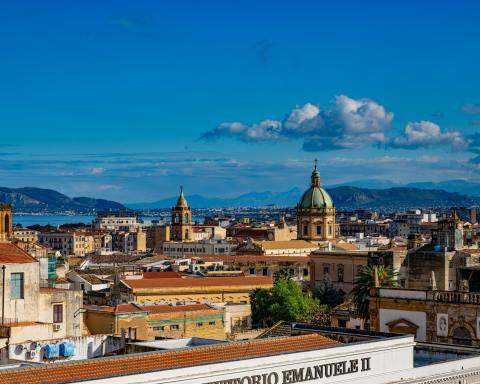
Nowhere is the impact of women winemakers more evident than in the dynamic wine scene of Sicily. The island’s vinicultural renaissance over the past few decades has been significantly driven by female visionaries. Arianna Occhipinti, perhaps the most famous of this new generation, started making wine in her early twenties near Vittoria. She became a global icon of the natural wine movement, championing indigenous grapes like Frappato and Nero d’Avola and practicing biodynamic farming. Her philosophy is one of minimal intervention, of creating wines that are a pure, energetic, and authentic expression of their place. Her success has inspired a legion of young winemakers to return to the island’s native varieties and traditional methods.
In a different corner of the island, on the volcanic slopes of Mount Etna, Valeria Agosta of Palmento Costanzo is another key figure. She and her husband restored an ancient palmento, a traditional gravity-fed winery, and are dedicated to preserving the incredible heritage of the Etna DOC, with its pre-phylloxera vines and unique volcanic terroir. Her work is a testament to the idea of the winemaker as a cultural custodian, blending historical preservation with modern precision to produce wines of extraordinary minerality and complexity.
Innovation in Tradition’s Heartland
Even in the heart of Tuscany, women are leading the charge in reinterpreting tradition. In the Chianti Classico zone, estates are increasingly being guided by female hands that are focusing on single-vineyard expressions and organic viticulture to bring a new level of nuance to the Sangiovese grape. In Montalcino, the home of the prestigious Brunello, a new generation is similarly pushing for greater elegance and a clearer expression of site-specific terroir.
What unites these women, from the foggy hills of Piedmont to the sun-drenched slopes of Sicily, is a shared set of values. There is a profound commitment to sustainability, not as a marketing trend, but as an ethical duty of stewardship for the land they have inherited. They are often adopting more collaborative business models, sharing knowledge and working together to promote their respective regions. They bring a meticulous attention to detail to both the vineyard and the cellar, a focus on precision and purity that is reflected in the clean, expressive character of their wines.
This new guard is not seeking to erase the work of the generations that came before them. On the contrary, they are building upon it, ensuring its survival by making it relevant to a new generation of wine lovers. They are proving that the future of Italian wine is not a single, monolithic tradition, but a rich and diverse tapestry woven from hundreds of unique stories, terroirs, and—increasingly—the vision and talent of its leading women. They are the new face of Italian wine, and they are taking their rightful place at the head of the table.
Discover more from The Ambassador
Subscribe to get the latest posts sent to your email.