

The concept of “Made in Italy” has long been a global benchmark for quality, style, and unparalleled craftsmanship. However, this very prestige has made it a prime target for fraudulent activities, from outright counterfeiting of famous brands to the deceptive “Italian sounding” phenomenon, where products with minimal connection to Italy are marketed as authentic. In response, the Italian government, through the Ministry of Enterprises and Made in Italy (MIMIT), has launched a revolutionary initiative: the “Bollino per la tutela della filiera Made in Italy”. This state-issued seal is a voluntary certification designed to provide an unambiguous guarantee of origin and quality for fashion products. To qualify, companies must demonstrate that at least four significant stages of the production process occur on Italian soil. Those who meet the stringent criteria will be enrolled in a new National Registry of Certified Companies, creating a public and verifiable database of true Italian excellence. This is Italy’s definitive statement to the global consumer: the era of ambiguity is over.
The Anatomy of Excellence: Deconstructing the Italian Fashion Supply Chain
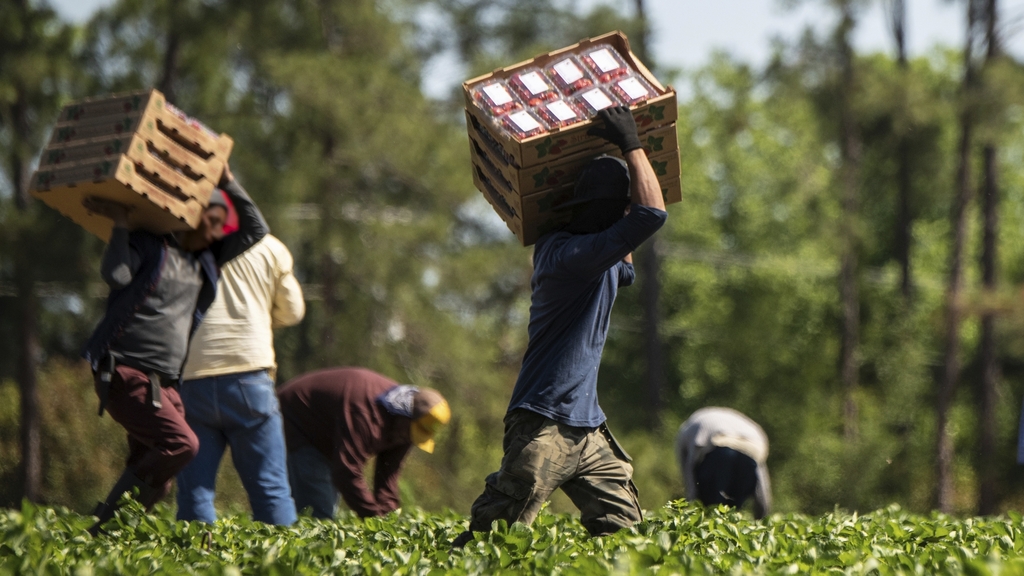
To understand the seal’s importance, one must first appreciate the ecosystem it protects. The Italian fashion supply chain, or filiera, is a complex and deeply interconnected network of hyper-specialized districts, a testament to generations of accumulated knowledge. It begins not in the design studios of Milan or Rome, but in places like Biella, Piedmont, where the world’s finest wools and cashmeres are woven, or Prato, Tuscany, a hub for textile innovation and recycling. It continues in the tanneries of Santa Croce sull’Arno, where leather is transformed into an art form, and in the Marche region, the heartland of artisanal footwear. This chain includes not only the globally recognized brands but also thousands of small and medium-sized family-run businesses—the terzisti—that execute specific, highly skilled tasks, from embroidery and pleating to the crafting of buttons and buckles. This distributed model of excellence is both Italy’s greatest strength and its greatest vulnerability. The new seal aims to protect every single link in this precious chain, making their contribution visible and certified.
The Shadow Economy: Quantifying the Counterfeiting Crisis
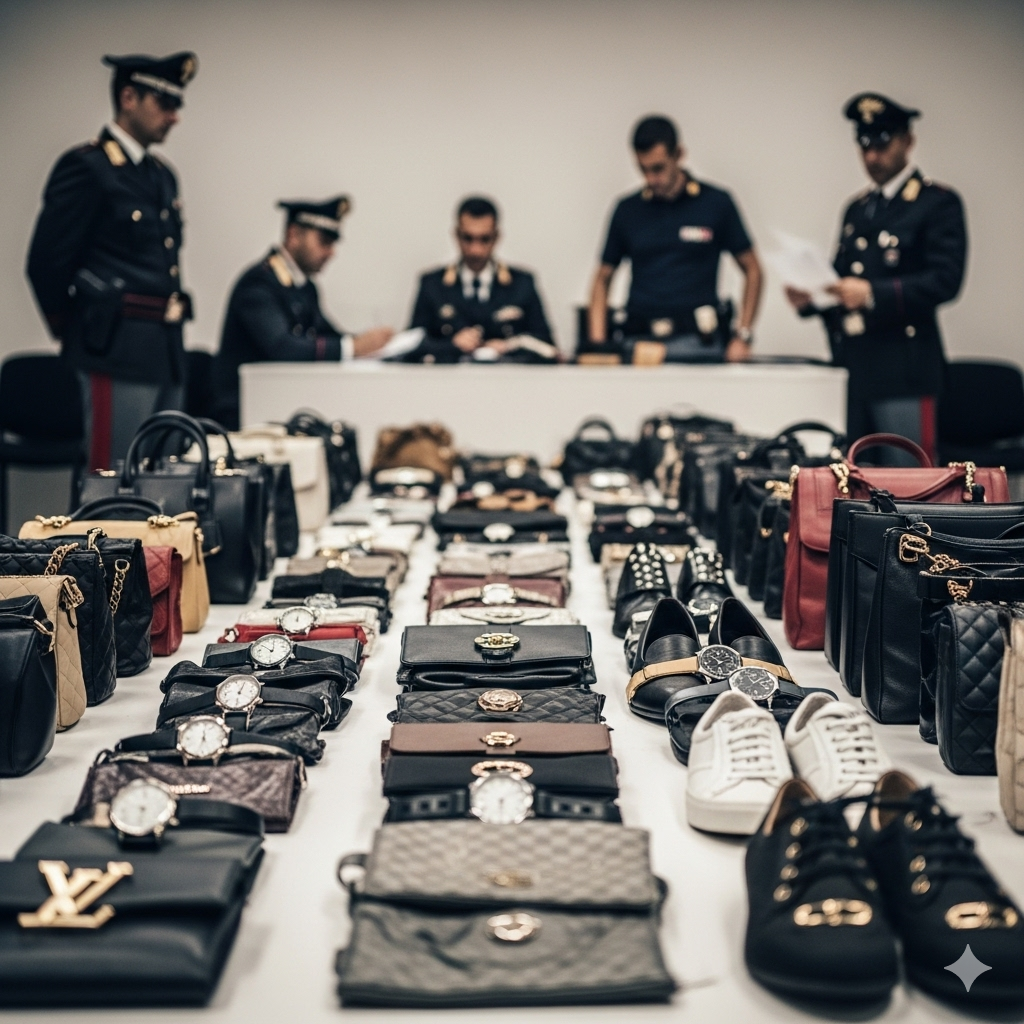
The need for such a robust defense mechanism becomes starkly clear when looking at the economic devastation wrought by counterfeiting. This is not a victimless crime; it is a parasitic industry that drains resources, destroys jobs, and damages the reputation of authentic brands. According to the most recent analyses from institutions like CENSIS and the OECD, the global trade in fake goods is staggering, with the fashion and luxury sector being the most affected. For Italy, the numbers are catastrophic. It is estimated that the counterfeit market costs the national economy upwards of €12 billion in lost revenue each year. This figure accounts for direct losses for businesses, unpaid taxes for the state, and the significant costs associated with enforcement actions by the Guardia di Finanza.
Beyond the direct financial impact, counterfeiting erodes consumer trust and devalues the very concept of “Made in Italy.” Every poorly made fake handbag or shoe that enters the market dilutes the brand equity built over decades. The seal acts as a direct counter-offensive, offering a clear, government-backed symbol that separates authentic, high-quality products from their fraudulent counterparts, thus protecting both the consumer and the national industrial heritage.
How the Seal Works: A New Standard for Transparency
The certification process is designed to be rigorous and uncompromising. While joining the program is voluntary, adherence to its standards is mandatory and subject to regular checks. A company seeking the seal must first submit a detailed application outlining its entire production cycle. Independent, accredited bodies will then conduct thorough inspections to verify that at least four key manufacturing phases—such as weaving, tanning, cutting, assembly, and finishing—are performed in Italy. Once certified, the company is listed in the national registry and can apply the physical seal to its products. This seal is expected to be more than just a simple sticker; it will likely incorporate digital technology, such as a QR code. This would allow consumers anywhere in the world to scan the product with their smartphone and instantly access a database verifying the company’s certification, the product’s authenticity, and potentially even details about its specific supply chain journey. This fusion of tradition and technology creates a new paradigm of active transparency.
Beyond Protection: The Global Impact of Certified Authenticity
The introduction of the “Guardian Seal” is poised to have a profound impact far beyond Italy’s borders. For the international consumer, it provides an unprecedented level of confidence and clarity, transforming the purchasing decision into an investment in verifiable quality. For authentic Italian brands, it offers a powerful marketing tool to differentiate themselves in a crowded marketplace, justifying their premium positioning against fast fashion and deceptive competitors. Furthermore, this initiative sets a new global benchmark for industrial traceability and the protection of national manufacturing identities. By creating a transparent, state-guaranteed system, Italy is not just protecting its own interests; it is leading a global conversation about the importance of authenticity, ethical production, and the preservation of artisanal heritage in the modern economy. It is a bold declaration that the true value of a product lies not just in its final form, but in the integrity of its entire journey.
Article written with help of AI. Second image is created with AI
Discover more from The Ambassador
Subscribe to get the latest posts sent to your email.