

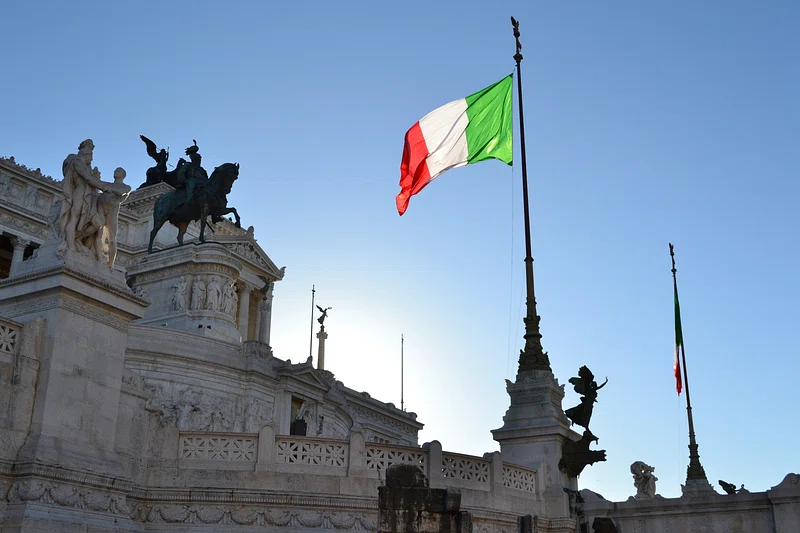
The second of June is a date etched deeply into the soul of Italy. It is a day of vibrant parades, solemn institutional greetings, and widespread celebration across the peninsula and its islands. This is the Festa della Repubblica, Italy’s National Day, a commemoration of the pivotal moment in 1946 when the Italian people chose to become a republic, ushering in a new era of democracy and marking a definitive break from a monarchical past and the dark shadows of war. Understanding the journey of this day, from its tumultuous origins to its contemporary significance, offers a profound insight into the heart of modern Italy.
From Monarchy to Republic: The 1946 Referendum
The roots of the Festa della Repubblica lie in the ashes of the Second World War and the fall of fascism. Italy, a nation grappling with profound devastation and a fractured identity, faced a crucial decision: to continue with the monarchy, embodied by the House of Savoy, which many associated with the rise of Mussolini and the disastrous war, or to embrace a republican system. The institutional referendum held on June 2nd and 3rd, 1946, was the first universal suffrage vote in Italian history, significantly including women for the first time in a national consultation. The Italian populace, weary of conflict and yearning for a fresh start, voted in favour of a republic by a margin that, though clear, also highlighted the divisions still present within the country. Approximately 12.7 million Italians voted for a republic, while 10.7 million favoured retaining the monarchy.
The outcome of the referendum led to the immediate departure of King Umberto II, the last King of Italy, into exile, and the birth of the Italian Republic. The Constituent Assembly, elected concurrently with the referendum, was tasked with drafting a new constitution, which came into effect on January 1st, 1948, laying the legal and ethical foundations of contemporary Italy, emphasizing democratic principles, social justice, and fundamental human rights.
Traditions and Evolutions: Celebrating the Republic
The first official celebration of the Festa della Repubblica took place in 1948. Initially, the main parade was held in Turin, the first capital of a unified Italy, to honour the centenary of the Statuto Albertino, the constitution granted by King Charles Albert of Piedmont-Sardinia in 1848, which had served as the constitutional framework for the Kingdom of Italy. However, from 1950, Rome, the eternal city and the nation’s capital, became the permanent stage for the principal celebrations.
The centrepiece of the modern Festa della Repubblica is undoubtedly the military parade held in Rome along the Via dei Fori Imperiali, a grand avenue that cuts through the heart of ancient Roman history, leading to the Colosseum. This parade showcases the Italian Armed Forces, police corps, the Vigili del Fuoco (firefighters), and other state bodies, and is attended by the President of the Republic, the Prime Minister, and other high-ranking state officials. The laying of a laurel wreath at the Altare della Patria (Altar of the Fatherland) on the tomb of the Unknown Soldier by the President is a poignant moment, symbolizing national unity and remembrance of those who sacrificed their lives for the country. A spectacular fly-past by the Frecce Tricolori, the aerobatic demonstration team of the Italian Air Force, painting the sky with the green, white, and red of the Italian flag, is a beloved and iconic feature of the day.
Over the decades, the nature and scale of the celebrations have evolved, reflecting the changing socio-political landscape of Italy. There were periods, particularly during the “Years of Lead” (Anni di Piombo) in the 1970s, marked by political terrorism and social unrest, when the celebrations were more subdued or even altered. For instance, in 1976, due to the severe economic crisis and the Friuli earthquake, the military parade was cancelled, and the focus shifted to demonstrations of national solidarity. The parade was reinstated later, but discussions about its cost and appropriateness have periodically resurfaced.
The Enduring Significance of June 2nd
Today, the Festa della Repubblica is more than just a historical commemoration or a display of military might. It represents a continuous reaffirmation of Italy’s commitment to democratic values, freedom, and national cohesion. It is an occasion for Italians to reflect on their journey as a nation, acknowledging past struggles while looking forward with a sense of shared identity and purpose. Embassies and consulates around the world also host events, highlighting Italy’s cultural richness and its contributions to the global community, thereby underscoring the international resonance of the ‘Made in Italy’ ethos, which extends far beyond mere products to encompass a way of life, innovation, and heritage.
The celebrations serve as a reminder of the resilience of the Italian people and their capacity for renewal. The choice made on June 2nd, 1946, was not merely a change of institutional form but a profound statement about the kind of nation Italy aspired to be: one built on the sovereignty of its people and dedicated to peace and progress. As Italy continues to navigate the complexities of the 21st century, the Festa della Repubblica remains a vital touchstone, a day to celebrate the enduring spirit of the Republic and the collective achievements of its citizens.
Article written with help of AI
Discover more from The Ambassador
Subscribe to get the latest posts sent to your email.