


Today we guide you through the exquisite world of Italian ceramics and empower you to bring a touch of Italian elegance into your home with a DIY bathroom tiling project. Italy is renowned globally for its unparalleled craftsmanship, innovative design, and timeless beauty, and its ceramic tiles are no exception. From ancient traditions to cutting-edge technology, “Made in Italy” ceramics embody a legacy of excellence.
Embarking on a do-it-yourself tiling project can be incredibly rewarding, especially when you’re working with the finest materials. Whether you envision a classic, elegant look or a more contemporary and bold design, Italian ceramic tiles offer an endless array of possibilities. Let’s delve into some of the most celebrated types and give you the practical advice you’ll need to transform your bathroom.
The Allure of Italian Ceramic Tiles: A Brief Overview
When we talk about Italian ceramics, we’re discussing a heritage that spans centuries, characterized by both artistic expression and robust functionality. Many regions in Italy boast a rich tradition in ceramic production, each with its unique style and expertise. While it’s hard to pick just a few, here are some highlights:
- Vietri sul Mare (Campania): Perched on the Amalfi Coast, Vietri sul Mare is synonymous with vibrant, hand-painted ceramic tiles. Their designs often feature bright colors, marine motifs, and intricate patterns, bringing a cheerful and artisanal feel to any space. These tiles are perfect for creating a focal point or a truly unique, Mediterranean-inspired bathroom.
- Sassuolo (Emilia-Romagna): This region is the heart of industrial ceramic production in Italy, home to some of the largest and most technologically advanced tile manufacturers. Sassuolo is known for its wide range of porcelain and ceramic tiles, offering everything from large-format slabs that mimic natural stone or wood to minimalist, contemporary designs. The focus here is on innovation, durability, and a vast selection of finishes and textures.
- Faenza (Emilia-Romagna): Faenza lends its name to “faience,” a type of tin-glazed pottery, highlighting its historical significance in ceramic art. While less focused on industrial-scale floor and wall tiles, Faenza’s legacy speaks to the artistic depth and decorative potential of Italian ceramics, inspiring many contemporary designs that incorporate hand-painted elements or intricate patterns.
- Santo Stefano di Camastra (Sicily): Known for its colorful and often geometric tiles, Santo Stefano di Camastra carries on a rich tradition influenced by Arab and Norman artistry. Their ceramics often feature bold patterns and a rustic charm, perfect for adding character and warmth to a bathroom.
These examples represent just a fraction of the incredible diversity available. When choosing your tiles, consider the overall aesthetic you want to achieve, the size of your bathroom, and how the light interacts with the space. For a “mosaico all’italiana” effect, you could either opt for actual small mosaic tiles, which are often sold on mesh sheets for easier application, or choose larger format tiles and arrange them in geometric or repeating patterns to create a visually dynamic surface.
Your DIY Guide to Tiling Your Bathroom Walls with Italian Ceramics
Ready to roll up your sleeves? Here’s a step-by-step guide to help you tile your bathroom walls with confidence. This project requires precision and patience, but the result will be a source of immense satisfaction.
- Preparation is Key:
- Measure Accurately: Carefully measure the area you intend to tile. This will help you determine how many tiles you need, remembering to account for cuts and breakage (add 10-15% extra).
- Clean and Prepare the Surface: Ensure your walls are clean, dry, and free of dust, grease, or loose paint. Any imperfections on the wall will show through your tiles. If necessary, use a level to check for plumb and flat surfaces and make any required repairs.
- Plan Your Layout: This is crucial. Use a level and a measuring tape to mark a reference line on the wall, typically starting from the center of the wall or a prominent feature. Dry-laying some tiles on the floor can help you visualize the pattern and minimize awkward cuts. Remember to consider where full tiles will fall and where cuts will be necessary, aiming for cuts to be in less conspicuous areas.
- Mixing the Adhesive:
- Follow the manufacturer’s instructions for mixing your tile adhesive (thin-set mortar). It should have a consistent, spreadable texture, like peanut butter. Mix only what you can use within the recommended working time.
- Applying the Adhesive and Setting the Tiles:
- Using a notched trowel, apply the adhesive to a small section of the wall (about 2-3 square feet) at a time, creating ridges. Don’t cover too large an area, or the adhesive will dry before you can set the tiles.
- Press the first tile firmly into the adhesive, gently twisting it to ensure good contact.
- Insert tile spacers between each tile to ensure uniform grout lines. This is vital for a professional-looking finish.
- Continue setting tiles, working your way across the wall. Regularly check with a level to ensure your tiles are straight and plumb.
- Cutting Tiles:
- For straight cuts, use a tile cutter (manual or electric). For intricate cuts or curves, a tile nipper or a wet saw with a diamond blade is indispensable. Always wear safety glasses when cutting tiles.
- Grouting:
- Once the adhesive has fully cured (typically 24-48 hours, check adhesive instructions), remove all tile spacers.
- Mix your grout according to the manufacturer’s instructions.
- Apply the grout using a rubber float, pressing it firmly into the grout lines at a 45-degree angle.
- Wipe off excess grout from the tile surface with a damp sponge, rinsing the sponge frequently. Work in small sections.
- After the grout has set slightly (it will look hazy), polish the tiles with a clean, dry cloth to remove any remaining haze.
- Sealing (if necessary):
- Some ceramic tiles and certain types of grout may require sealing to protect against moisture and stains. Check the manufacturer’s recommendations.
The Finishing Touch: Insights from an Expert – Federico Scriattoli of Arcansas Profili srl

No tiling project is truly complete without the perfect finishing touches. To gain deeper insight into achieving a professional and durable result, we had the exclusive opportunity to speak with Federico Scriattoli, a representative from Arcansas Profili srl, a leading Italian company specializing in aluminum profiles. Their “Made in Italy” products are essential for refining and protecting tiled surfaces.
The Ambassador: Mr. Scriattoli, for our readers venturing into their first DIY tiling project, perhaps even a simple Italian-style mosaic in their bathroom, what profiles would you recommend?
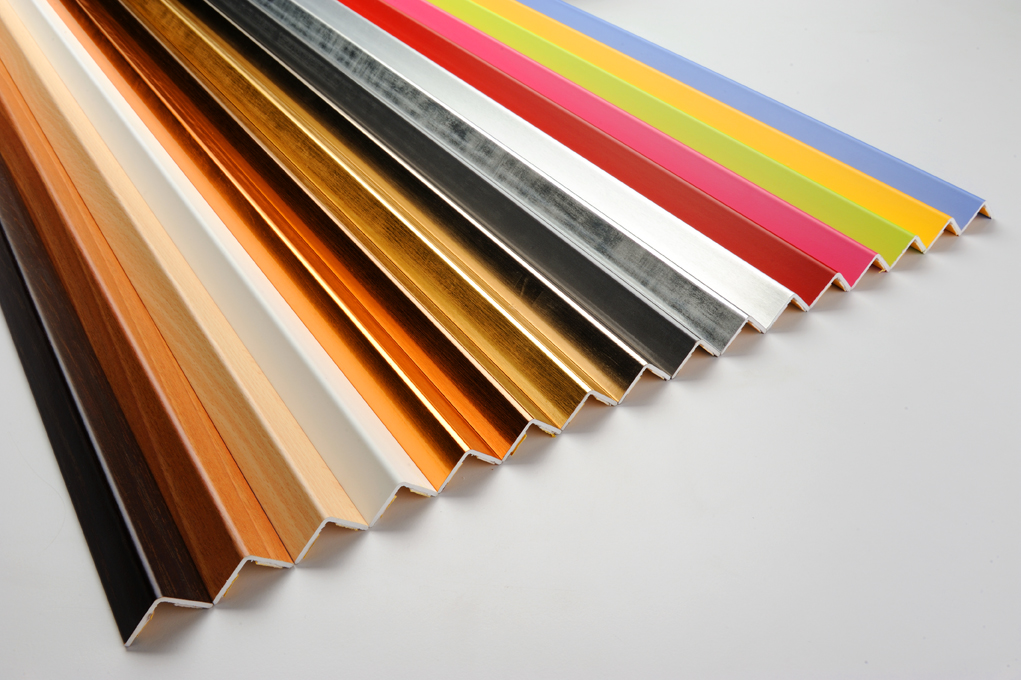
Federico Scriattoli: For those seeking simplicity, I would suggest corner profiles. These are applied after the tiles are set and can be easily replaced at any time, even if you decide to refresh the look in the future. We offer a wide variety to suit every taste, from the fashionable black anodized finishes that have been very popular in recent years, to classic white or matte silver. We are also specialized in stainless steel, brass, and PVC profiles, offering even more options for different aesthetic and functional needs.
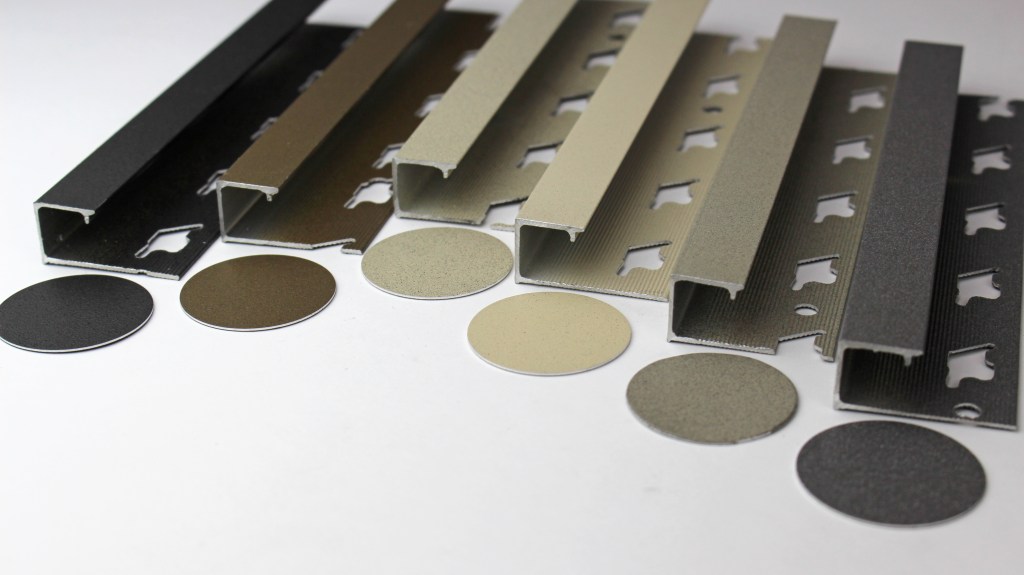
Alternatively, a “jolly” profile is an excellent choice. This profile needs to be carefully installed with the adhesive and tiles, as it is undersurface. Once it’s in place, it cannot be removed. Its primary function is both protective and aesthetic. Again, we have options to complement any design preference.
The Ambassador: Your products are proudly “Made in Italy.” Which international markets show the highest demand for your products? Do you have any “famous” foreign clients?
Federico Scriattoli: The majority of our clients come from across Europe, though we also have customers in South America, South Africa, Japan, and many other distant countries. If I understand “famous” correctly, we don’t sell directly to the end-user, so we don’t have a “Brad Pitt” among our direct clients. However, many well-known individuals certainly use our products, purchasing them through our extensive network of retailers.

The Ambassador: We understand that Arcansas is part of the ‘Made4DIY’ network. Could you tell us about the purpose and benefits of this consortium?
Federico Scriattoli: The goal of Made4DIY is to foster collaboration and “create a group” within the Italian context, which is characterized by a vast number of small businesses. To approach the most significant clients in our sector, specific knowledge is required, and the processes involved are often lengthy and complex. These include audits, hundreds of pages of contracts, numerous constraints, and specific technical data sheets. For a small company looking to enter this sector, these can represent an insurmountable barrier. The Consortium, or rather the Group, shares this vital information and assists its member companies, which would otherwise take significantly longer to learn these processes through their own firsthand experience. Beyond this, the consortium undertakes a myriad of activities, such as arranging “Meet the Buyer” events where member companies can connect with key buyers from major retail chains. We also organize collective stands at trade fairs, which not only reduce costs but also allow us to share client leads within the group. Other initiatives include “Briconight” and “Store Tours,” among many others.
The Ambassador: Gradiente, a private equity fund, chose to invest in Arcansas Profili. Do you believe this decision underscores the value and strength of “Made in Italy”?
Federico Scriattoli: Yes, I certainly believe so. They recognized our company as a market leader with a strong emphasis on production rather than merely importing and commercializing products, which is common in our industry. Therefore, I believe they saw a significant advantage in us compared to the market. By joining forces, we can grow more rapidly, further solidify our leadership position, and expand our horizons into much larger markets beyond Europe, such as the United States.
Beyond the Tiles: The Enduring Legacy of “Made in Italy”
As you complete your DIY project, you’re not just installing tiles; you’re becoming a part of a rich tradition. Every Italian ceramic tile carries with it the echoes of generations of artisans, designers, and innovators who have poured their passion into creating products of unparalleled beauty and durability. From the vibrant, sun-drenched hues of Vietri sul Mare to the sleek, modern lines of Sassuolo, these ceramics are a testament to Italy’s ability to blend artistic heritage with cutting-edge technology.

The “Made in Italy” label is far more than a geographical indicator; it’s a guarantee of quality, design excellence, and ethical production. It signifies a commitment to detail, a respect for materials, and an inherent flair for aesthetics that influences everything from fashion to furniture, and indeed, to the very surfaces of our homes. Companies like Arcansas Profili srl, through their dedication to quality and their strategic collaborations within networks like Made4DIY, exemplify how Italian small and medium-sized enterprises continue to innovate and compete on a global scale, bringing the true essence of Italian craftsmanship to the world.
So, as you step back to admire your newly tiled bathroom, know that you’ve not only enhanced your living space but also embraced a piece of Italy’s enduring cultural and economic legacy. It’s a daily reminder that the beauty and ingenuity of “Made in Italy” are within reach, capable of transforming the ordinary into the extraordinary, one tile at a time.
Discover more from The Ambassador
Subscribe to get the latest posts sent to your email.