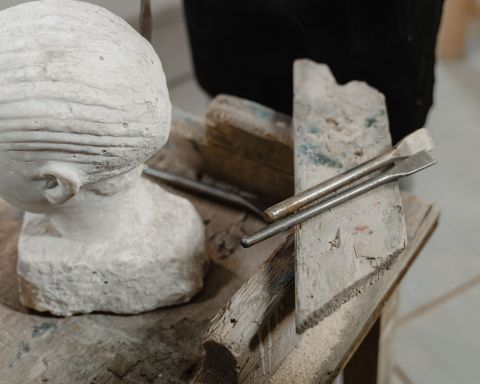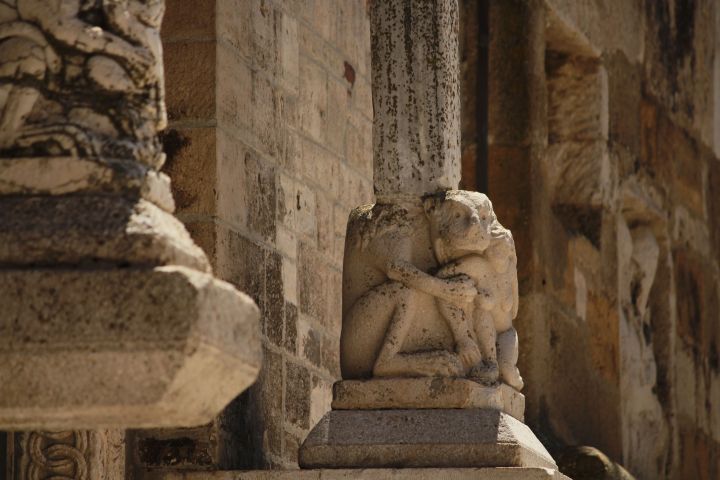


Italy is a nation entrusted with an immense and beautiful burden. With 59 designated UNESCO World Heritage sites, more than any other country on Earth, it serves as the custodian of a vast portion of humanity’s cultural memory. This legacy, however, is fragile. The majestic ruins, priceless artworks, and entire historic cityscapes are under constant assault from the forces of time, climate change, pollution, and the sheer pressure of mass tourism. For centuries, the work of preservation was a slow, manual art. Today, a silent, high-tech revolution is underway. Behind the scenes of Italy’s most iconic sites, a new generation of restorers, archaeologists, and engineers is deploying a formidable arsenal of 21st-century technology—from artificial intelligence and swarms of drones to satellite monitoring and advanced robotics—in a constant battle to safeguard these treasures for the future.
Pompeii: A Digital Resurrection
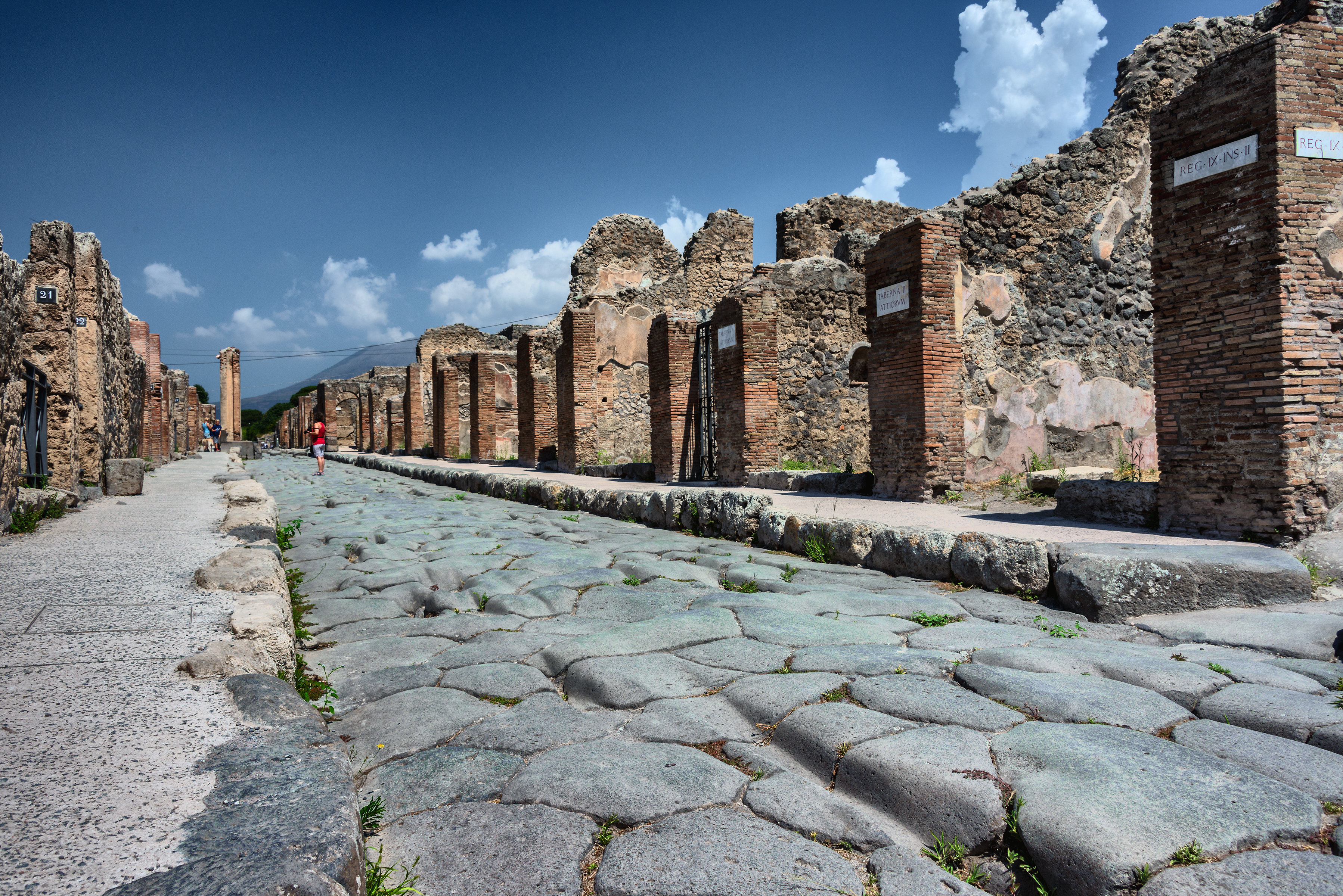
Nowhere is this synthesis of ancient history and modern technology more dramatic than at Pompeii. The archaeological park is not a single monument but a vast, fragile, 2,000-year-old city, and its preservation presents a challenge of staggering complexity. Following a series of collapses that highlighted the site’s vulnerability, the “Great Pompeii Project” initiated a new era of technologically driven conservation that has become a global model.
One of the most transformative tools has been the use of drones and laser scanning. Fleets of drones now patrol the skies above the ancient city, equipped with high-resolution cameras and LiDAR (Light Detection and Ranging) scanners. They have created an incredibly detailed, three-dimensional digital map of the entire 66-hectare site, a “digital twin” that is accurate to the millimeter. This virtual Pompeii allows conservators to monitor the structural integrity of every wall and building from their computer screens, detecting subtle shifts, cracks, or water damage long before they are visible to the human eye. This predictive approach is crucial in preventing future collapses.
This mountain of data is now being analyzed by artificial intelligence. AI algorithms can sift through thousands of images and scans to identify patterns of decay or compare frescoes from different houses to trace the work of a single artist’s workshop. In a groundbreaking project, AI is also being used to help piece together the city’s countless fragments. By analyzing the shape, color, and texture of thousands of shattered pieces of frescoes and pottery, machine learning models can suggest potential matches, tackling a puzzle that would be impossible for humans to solve in a lifetime. Furthermore, advanced robots like the quadrupedal “Spot” are being sent into unstable or collapsed structures deemed too dangerous for archaeologists, gathering invaluable data from previously inaccessible areas.
Venice: Battling a Hostile Sea
If Pompeii’s enemy is time, Venice’s is water. The city’s existential struggle against the Adriatic Sea has entered a new, high-tech phase. The most visible and monumental of these efforts is the MOSE (Modulo Sperimentale Elettromeccanico) project, a marvel of hydraulic engineering. It consists of 78 massive, mobile floodgates installed at the three inlets to the Venetian Lagoon. During dangerously high tides (acqua alta), compressed air is pumped into the hollow gates, causing them to rise from the seabed and form a temporary barrier, sealing off the lagoon from the sea. After years of construction and controversy, the system is now operational and has, on numerous occasions, successfully protected the city from the devastating floods that have plagued its history.
Beyond this physical barrier, a more subtle, space-age surveillance is taking place. Using a satellite-based technology called InSAR (Interferometric Synthetic Aperture Radar), scientists can monitor the subsidence of Venice with incredible precision. By comparing radar scans taken over time, they can detect vertical land motion of just a millimeter per year. This data is crucial for understanding how the city is shifting and for identifying which buildings and foundations are under the most stress. This macro-view is complemented by micro-level interventions, with materials scientists developing new, salt-resistant mortars and specialized waterproofing techniques to restore the submerged foundations of the city’s historic palazzi, which are under constant chemical attack from the corrosive lagoon water.
The Colosseum: A High-Tech Health Check
For a single, colossal monument like the Colosseum in Rome, the challenge is different again. Here, technology is used to provide a constant, real-time “health check” on the ancient structure. The amphitheater is wired with a sophisticated network of sensors, including accelerometers that measure vibrations from the nearby metro line and tourist footfall, inclinometers that detect any tilting, and fiber-optic sensors that monitor the opening and closing of cracks in the travertine stone. This “nervous system” provides a continuous stream of data, allowing engineers to understand exactly how the 2,000-year-old structure responds to the stresses of a modern city.
Before any major restoration work, like the recent cleaning of the facade sponsored by the Tod’s Group, conservators deploy a range of non-invasive diagnostic tools. Ground-penetrating radar is used to map the foundations and look for hidden voids, while thermal imaging cameras can reveal areas of water infiltration or structural weakness by detecting minute temperature differences in the stone. These techniques allow the restoration team to build a complete diagnostic picture of the monument’s health without ever having to drill a single hole or remove a single stone, preserving the integrity of the original structure.
This fusion of science and history represents the future of cultural heritage preservation. By creating data-rich digital twins of its most important sites, Italy is building a virtual archive for future generations and a powerful tool for present-day conservation. The work of these technological guardians is often invisible, but their mission is vital. They are ensuring that Italy’s unparalleled legacy is not just a relic of the past, but a living, breathing treasure that will continue to inspire humanity for centuries to come.
Discover more from The Ambassador
Subscribe to get the latest posts sent to your email.