

Italian furniture design is renowned worldwide for its blend of beauty, functionality, and innovation. But this success story isn’t just about aesthetics; it’s about a rich history of craftsmanship, entrepreneurial spirit, and adaptation to changing times. This article explores the fascinating evolution of Italian furniture, from its roots in small artisanal workshops to its current status as a global industry leader.
The Artisanal Legacy: Masters of their Craft
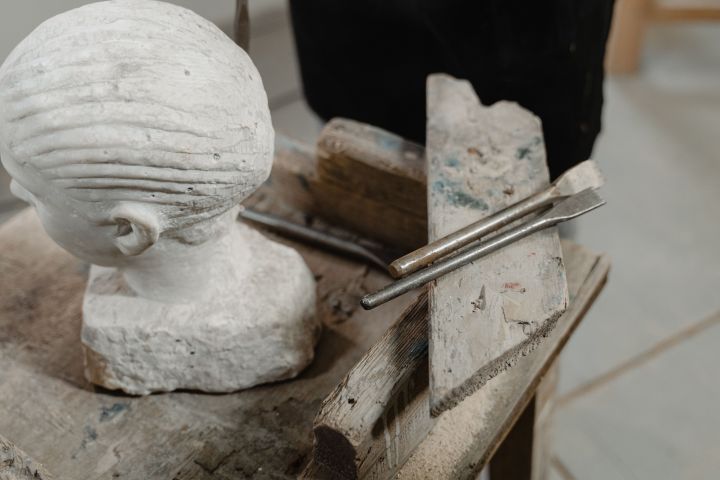
The story begins in small workshops scattered across Italy, where skilled artisans honed their craft over generations. These workshops weren’t just places of production; they were centers of knowledge, where traditional techniques and secrets were passed down from master to apprentice. Regions developed distinct styles, influenced by local materials and cultural aesthetics. For example, Tuscan artisans were known for their use of rich walnut and intricate carvings, while Venetian craftsmen excelled in lacquered finishes and ornate detailing. This regional diversity contributed to the richness and variety that characterize Italian furniture.
The Rise of Design Schools and Movements: A Breath of Fresh Air
The early 20th century brought a wave of change. The establishment of prestigious design schools like the Bauhaus in Germany and the Istituto Superiore per le Industrie Artistiche (ISIA) in Italy fostered a new generation of designers who challenged traditional norms. Artistic movements like Futurism, with its emphasis on dynamism and technology, and Art Deco, with its sleek geometric forms, influenced furniture design, leading to experimentation with new materials like steel and glass. This period saw the emergence of iconic figures like Gio Ponti, whose work seamlessly blended classicism with modernity.
Post-War Boom and Industrialization: Scaling Up While Maintaining Quality
The post-World War II era brought a surge in demand for furniture as societies rebuilt and economies boomed. This led to the growth of larger furniture manufacturing companies, like Cassina and Natuzzi, which adopted industrial production methods to meet the growing demand. However, unlike mass-produced furniture from other countries, Italian manufacturers retained their commitment to quality and design. They collaborated with renowned designers, invested in research and development, and embraced new technologies while preserving the artisanal spirit and attention to detail that defined Italian furniture.
The “Made in Italy” Brand and Global Recognition: A Mark of Excellence
The latter half of the 20th century saw the “Made in Italy” label become synonymous with quality, craftsmanship, and style. Italian furniture companies strategically promoted their products on the international stage, participating in prestigious trade fairs like the Salone del Mobile in Milan. This global exposure solidified Italy’s reputation as a trendsetter in furniture design, attracting discerning customers who valued the unique blend of tradition and innovation that Italian furniture offered.
Contemporary Challenges and Future Trends: Sustainability and Beyond
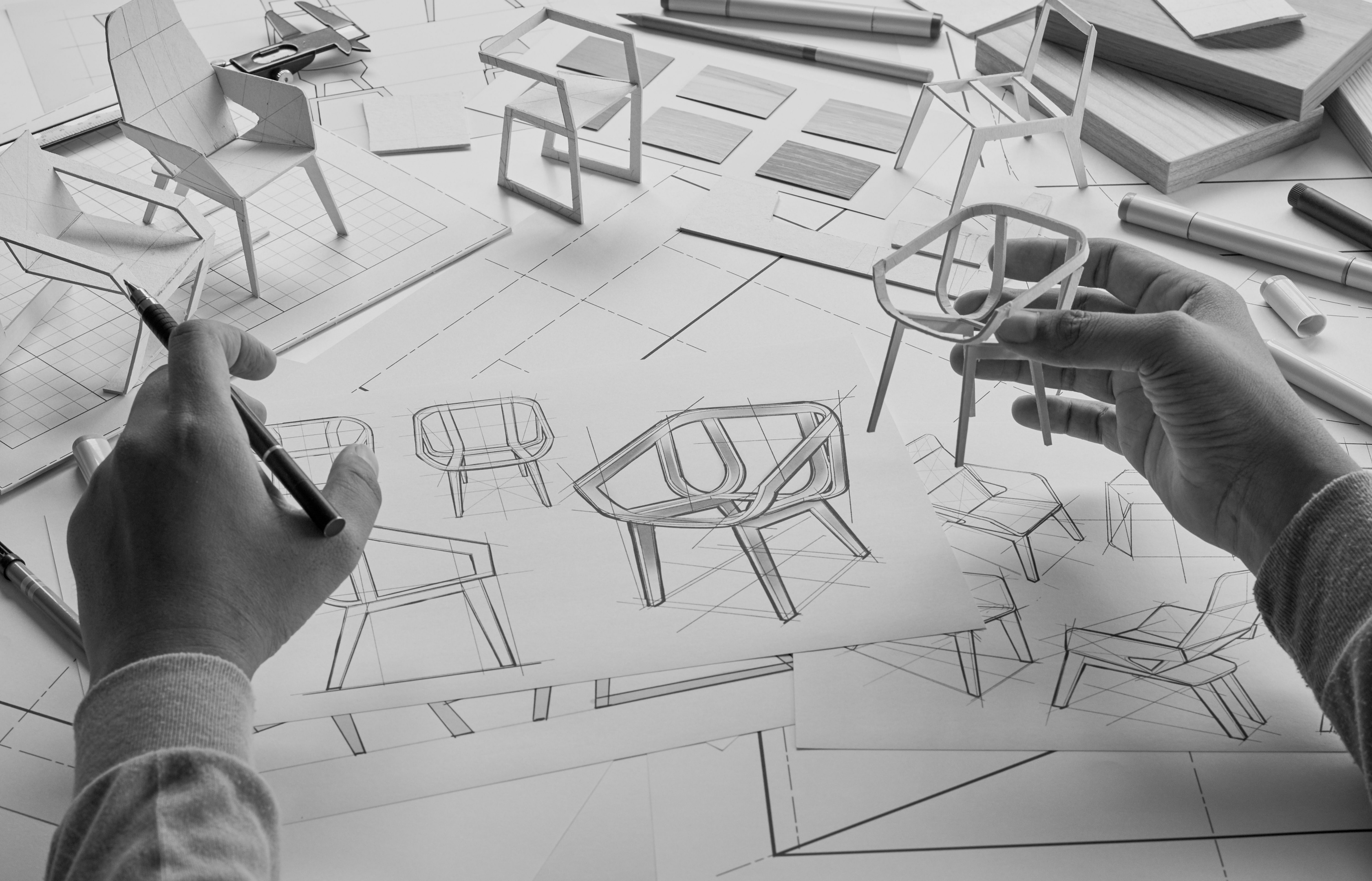
Today, the Italian furniture industry faces new challenges. Global competition, environmental concerns, and evolving consumer preferences demand constant adaptation. Italian companies are responding by embracing sustainable practices, using recycled and responsibly sourced materials, and minimizing their environmental impact. They are also incorporating cutting-edge technologies like 3D printing and exploring new materials and manufacturing processes. The industry is also seeing a resurgence of artisanal techniques and bespoke design, catering to a growing demand for unique and personalized pieces.
The enduring legacy of Italian furniture design lies in its ability to balance tradition and innovation. From its artisanal roots to its current status as a global industry, Italian furniture continues to inspire and delight with its unique blend of beauty, functionality, and cultural heritage.
Article written with the help of AI
Discover more from The Ambassador
Subscribe to get the latest posts sent to your email.