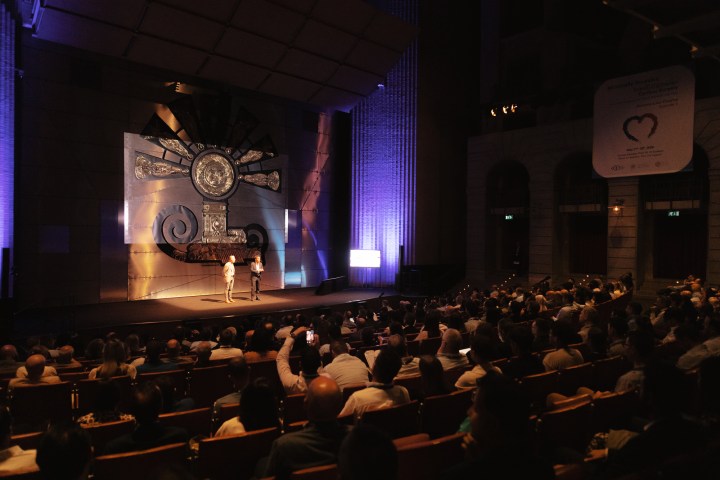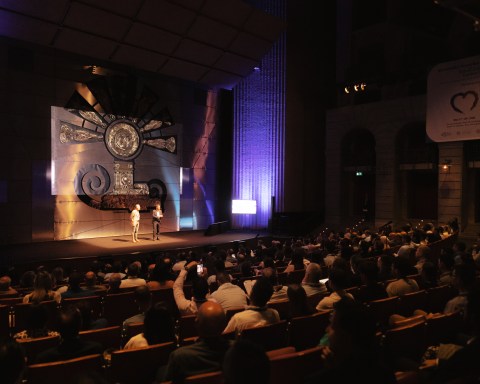


Rome, Italy – Within the opulent embrace of the Casino Giustiniani Massimo al Laterano, a landmark of Italian artistic and architectural heritage, a significant and remarkably cordial conference unfolded on Thursday, April 10th. The subject at the heart of this noteworthy assembly was the intricate and often contentious issue of the separation of careers between judges and public prosecutors within Italy’s judicial system. This elegant villa, also known as Casino Massimo Lancellotti, provided a fitting backdrop for a discussion that brought together key figures from the Italian political and judicial landscape, fostering a climate of dialogue and constructive engagement on a matter of national importance.

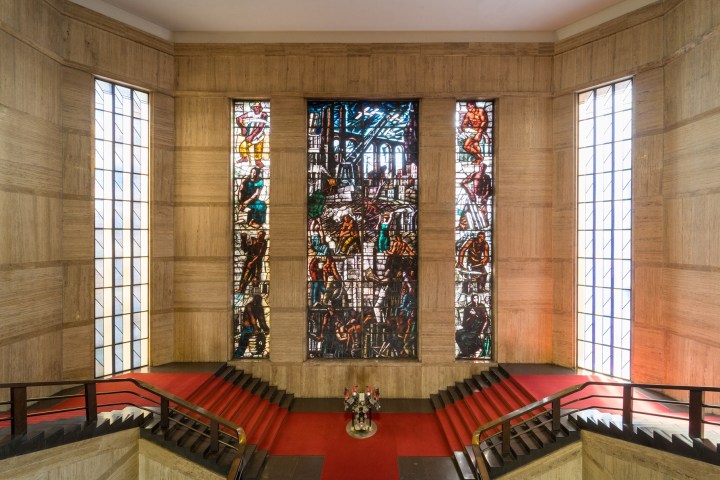
Stepping through the gates of Casino Giustiniani Massimo is akin to entering a realm where history, art, and the very essence of Italian aesthetic sensibility converge. Originally a 17th-century villa, its story is interwoven with the patronage of noble Roman families who sought to create not just a residence, but a sanctuary for artistic and intellectual pursuits. The Giustiniani family, renowned for their discerning taste and significant art collection, commissioned the construction of this exquisite edifice, which was completed around 1605. Its architecture, believed to be the work of Carlo Lambardi, exemplifies the refined elegance of the era, characterized by harmonious proportions, meticulous detailing, and a seamless integration with the surrounding gardens.

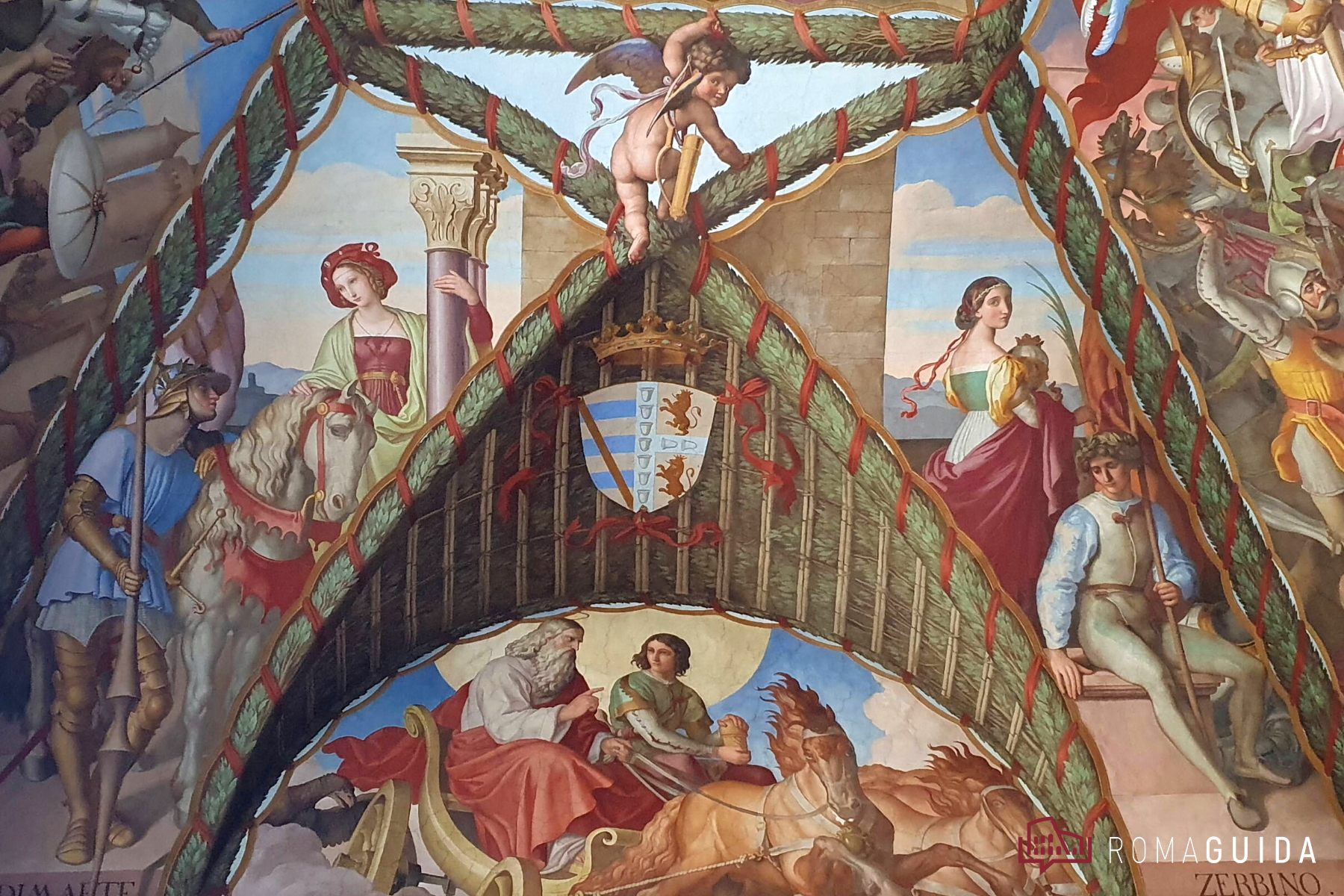
Over the centuries, the villa passed into the hands of other prominent Roman families, including the Massimo and Lancellotti, each leaving their mark on its rich history. The very walls of the Casino Giustiniani Massimo whisper tales of artistic patronage and cultural exchange. However, it is perhaps most celebrated for the remarkable frescoes that adorn its interiors. These masterpieces, executed in the early 19th century by a group of German Romantic painters including Peter von Cornelius, Johann Friedrich Overbeck, Julius Schnorr von Carolsfeld, and Philipp Veit, depict scenes from the works of Dante Alighieri, Ludovico Ariosto, and Torquato Tasso. These artists, drawn to Rome by its classical heritage and the vibrant artistic atmosphere, found inspiration in the literary masterpieces of Italian culture, translating them into visually stunning narratives that continue to captivate visitors today. The frescoes represent a unique moment in art history, a fusion of German Romanticism and Italian literary tradition, making the Casino a truly exceptional site.
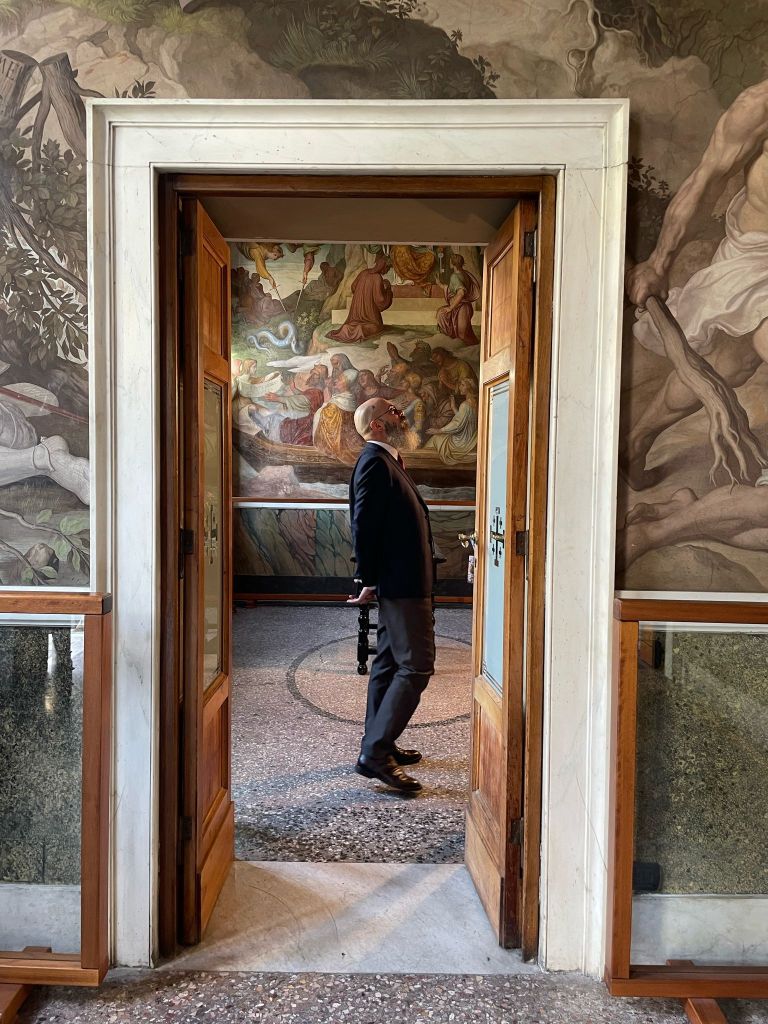
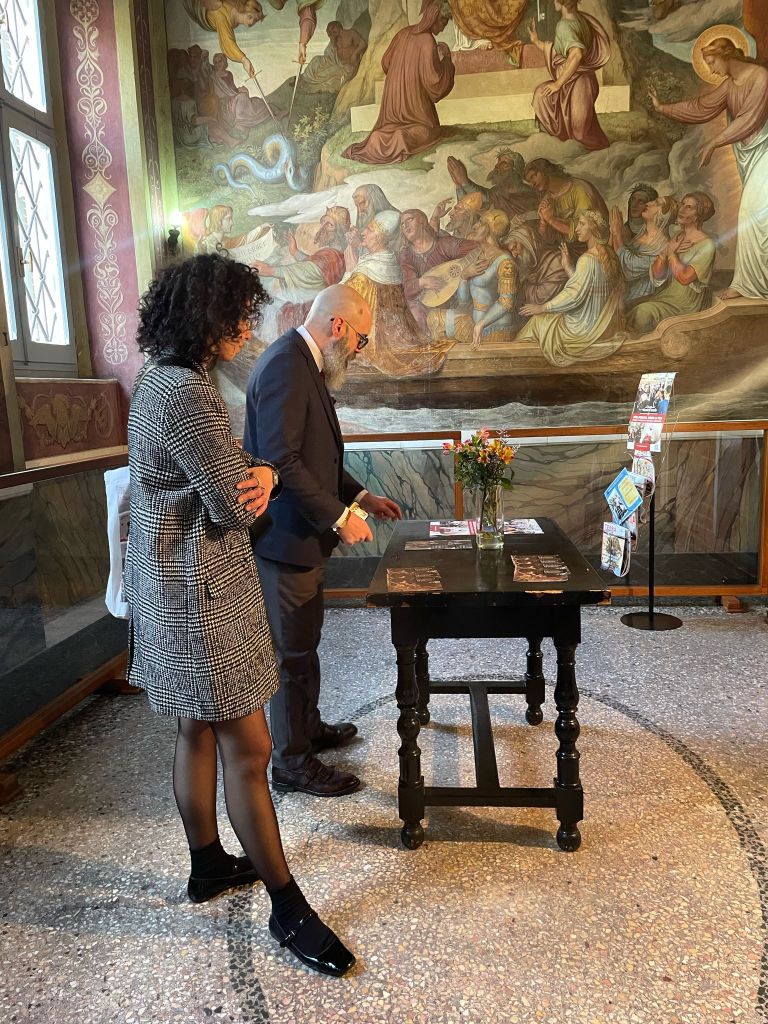
The villa’s architecture itself is a testament to the Italian appreciation for beauty and functionality. Its elegant facade, with its balanced lines and subtle ornamentation, opens into interiors that were once adorned with lavish furnishings and further artistic treasures. The gardens, though having evolved over time, were originally conceived as an integral part of the villa’s charm, offering a tranquil retreat from the bustling city. Even during periods of upheaval, such as the Second World War when it served as a mess hall for Nazi SS officers, the inherent beauty and historical significance of Casino Giustiniani Massimo endured. Since 1947, the property has been under the care of the Franciscan Delegation of the Holy Land, who have preserved its artistic and historical legacy. The fact that such a significant dialogue on a crucial legal matter took place within these historically and artistically resonant walls underscores the importance and gravitas of the discussion.
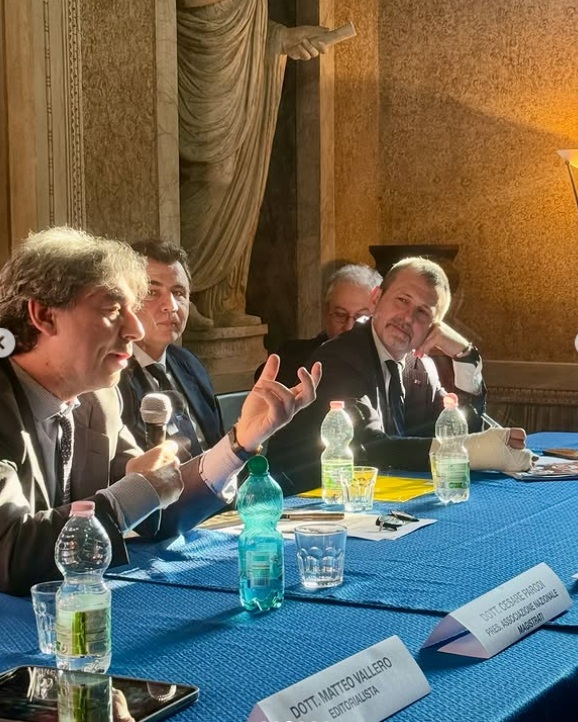
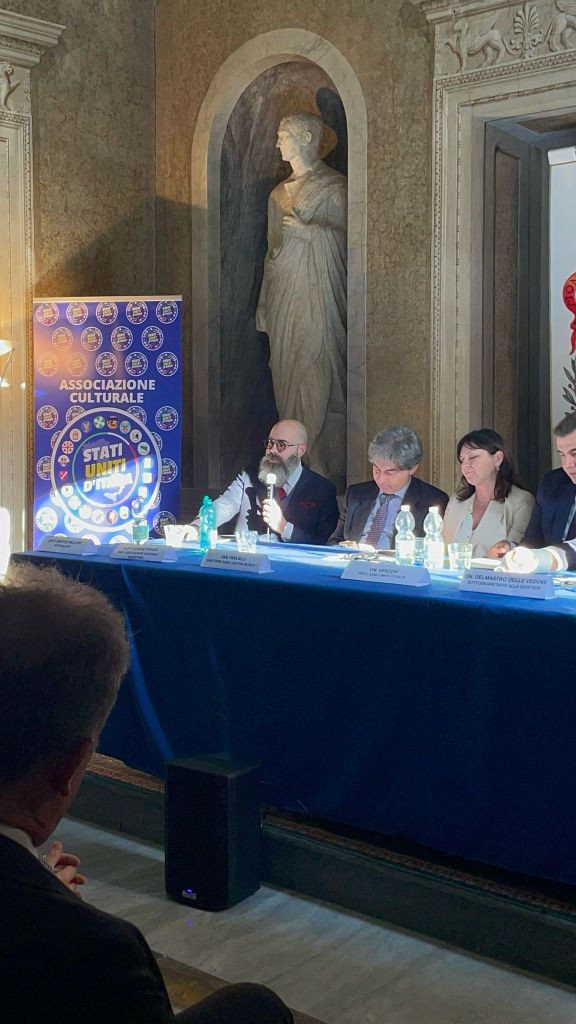
The conference on the separation of careers brought together two central figures in the ongoing debate: the Honorable Andrea Delmastro Delle Vedove, Undersecretary of State for Justice in the Italian Government, and Dr. Cesare Parodi, President of the National Association of Magistrates (ANM), the primary representative body for Italian judges and prosecutors. Their presence marked a potentially ‘historic’ moment, representing a rare instance of direct and constructive engagement between high-ranking representatives from the executive branch and the judiciary on this sensitive topic.

Andrea Delmastro Delle Vedove, a lawyer specializing in criminal law, has been actively involved in Italian politics from a young age. Born in Gattinara in 1976, his political journey began in youth organizations before his election to the Chamber of Deputies in both 2018 and 2022 as a member of Fratelli d’Italia (Brothers of Italy). Within his party, he is known as a close confidant of Prime Minister Giorgia Meloni, having served as her legal counsel in defamation cases. His role as Undersecretary of State for Justice places him at the heart of the government’s efforts to reform the judicial system, making his participation in this dialogue particularly significant.
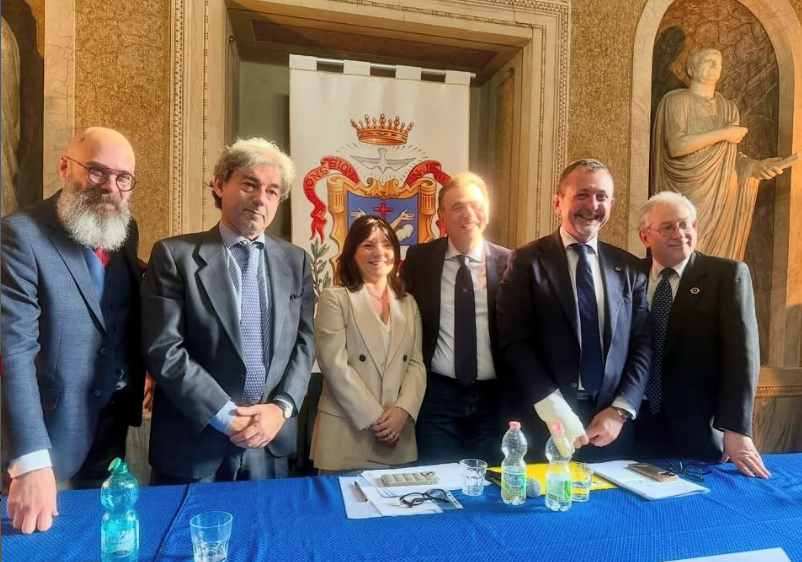
Dr. Cesare Parodi, the current President of the National Association of Magistrates, brings a wealth of experience as an added prosecutor in Turin. A member of Magistratura Indipendente, a faction within the judiciary, Dr. Parodi assumed the presidency of the ANM in February 2025, succeeding Giuseppe Santalucia. His career as a magistrate, beginning in 1990, has seen him involved in numerous high-profile cases, and he is also a published author on legal matters and a frequent speaker at training courses for magistrates. As the head of the ANM, his perspective on the separation of careers carries considerable weight within the judicial community.
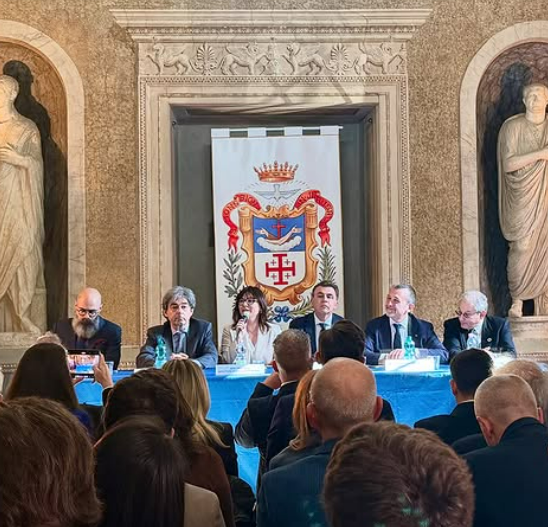
Guiding the discussion with her characteristic impartiality and elegance was the esteemed lawyer, Avvocato Emanuela Fancelli. Known for her insightful moderation of public debates, Avvocato Fancelli ensured a balanced and productive exchange between the panelists, allowing for a thorough exploration of the complexities surrounding the separation of careers.
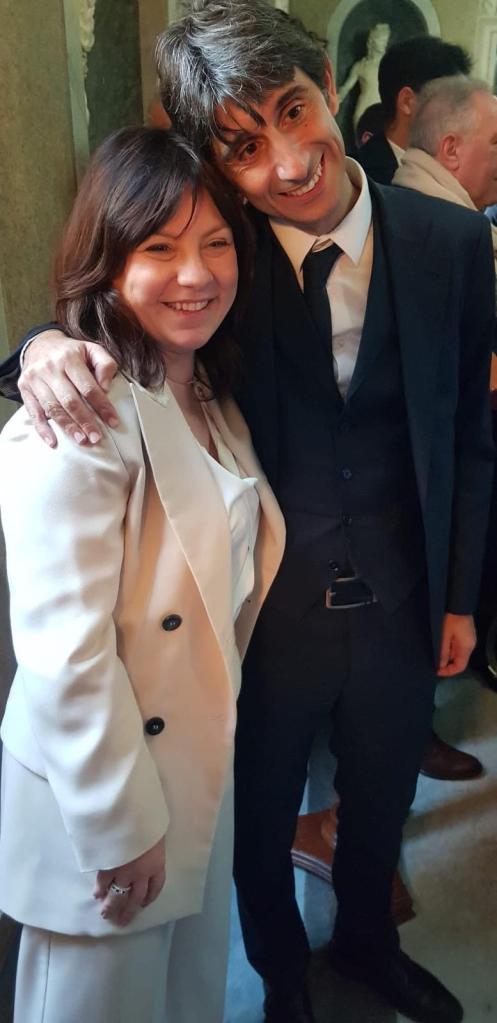
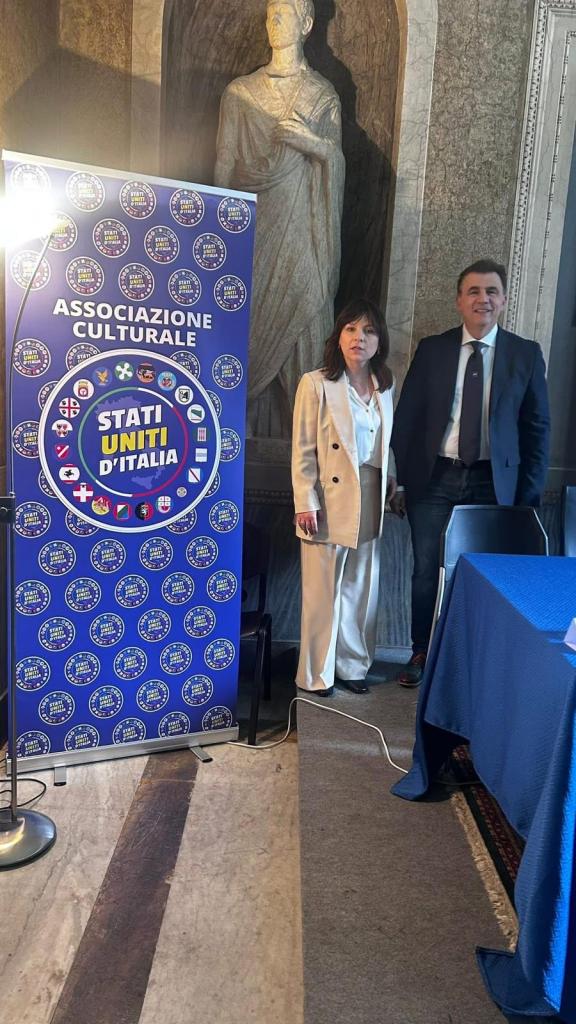
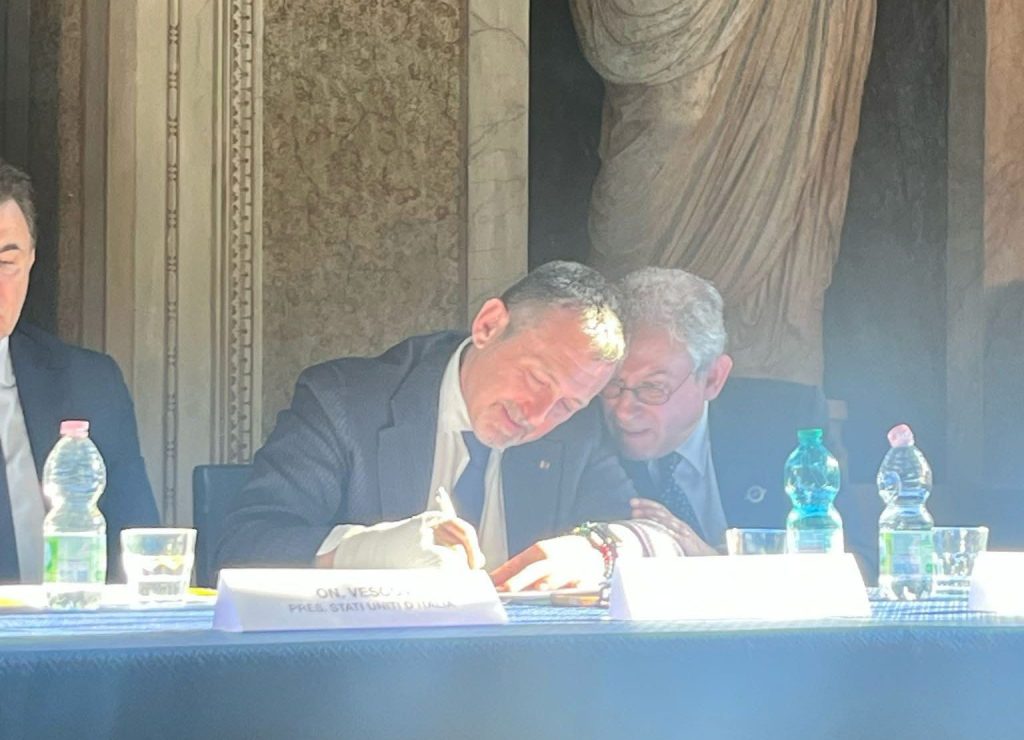
The event was skillfully organized by the Stati Uniti d’Italia Cultural Association, an organization dedicated to fostering dialogue and understanding on critical issues facing the nation. The presence of Senator Manuel Vescovi, the president of the association, among the speakers underscored the organization’s commitment to promoting informed public discourse. Senator Vescovi’s involvement further highlighted the intersection of political and civil society engagement in addressing this important reform.
Also present in the front row, demonstrating the political significance of the event, was the Honorable Giovanni Donzelli, a Member of Parliament. His attendance signaled the keen interest and attention the debate on judicial reform commands within the Italian legislature.
The panel of speakers also included Professor Fabrizio Giulimondi, a distinguished expert in administrative and comparative constitutional law. Professor Giulimondi provided a technical and scholarly analysis of the arguments for and against the separation of careers. Drawing upon his deep understanding of the subject matter, he elucidated the potential benefits of a modern reform that would see a distinct division between the roles of judges and public prosecutors, supporting his points with practical examples. His contribution offered the audience a nuanced and expert perspective on the legal and structural implications of such a reform.
Completing the panel was Matteo Valléro, the editorial director of ‘The Ambassador’ and a renowned media expert and columnist. With his trademark wit and insightful observations, Mr. Valléro addressed the role of the media and the press in shaping public and political discourse on the separation of careers. He expressed concern regarding what he perceived as biased and manipulative tones adopted by certain media outlets in their coverage of this complex issue, highlighting the potential for such approaches to unduly influence public opinion. His contribution brought a critical perspective on the communication dynamics surrounding the debate.
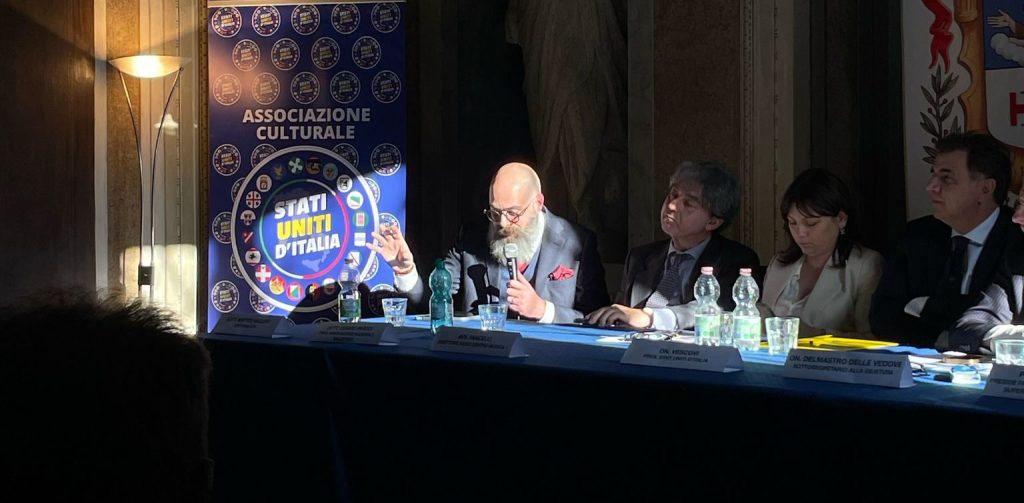
The prevailing atmosphere of the conference was one of harmony and intellectual engagement. The large audience, which notably included a significant number of young people, listened attentively as the panelists articulated their viewpoints with frankness and mutual respect. This positive engagement across different perspectives is a promising sign for future discussions on this and other critical issues facing Italy.
The convergence of such prominent figures from diverse backgrounds – politics, the judiciary, academia, and the media – within the historically and artistically significant setting of Casino Giustiniani Massimo underscores the profound importance of the debate surrounding the separation of careers in Italy. The open and constructive dialogue that characterized the conference offers a valuable model for future discussions on complex national issues. It is indeed a positive development that such forums, where dialogue and free exchange of ideas are prioritized, are taking place, contributing to a more informed and reflective democratic process for the nation. This event served as a reminder of the importance of reasoned debate in shaping the future of Italy’s institutions.
Discover more from The Ambassador
Subscribe to get the latest posts sent to your email.