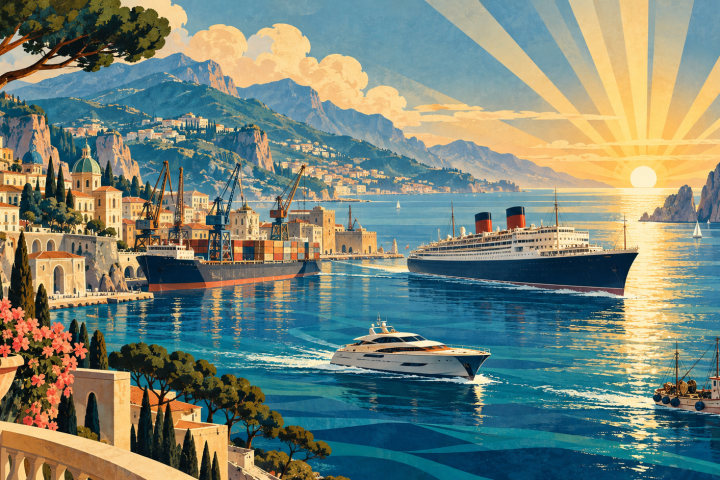


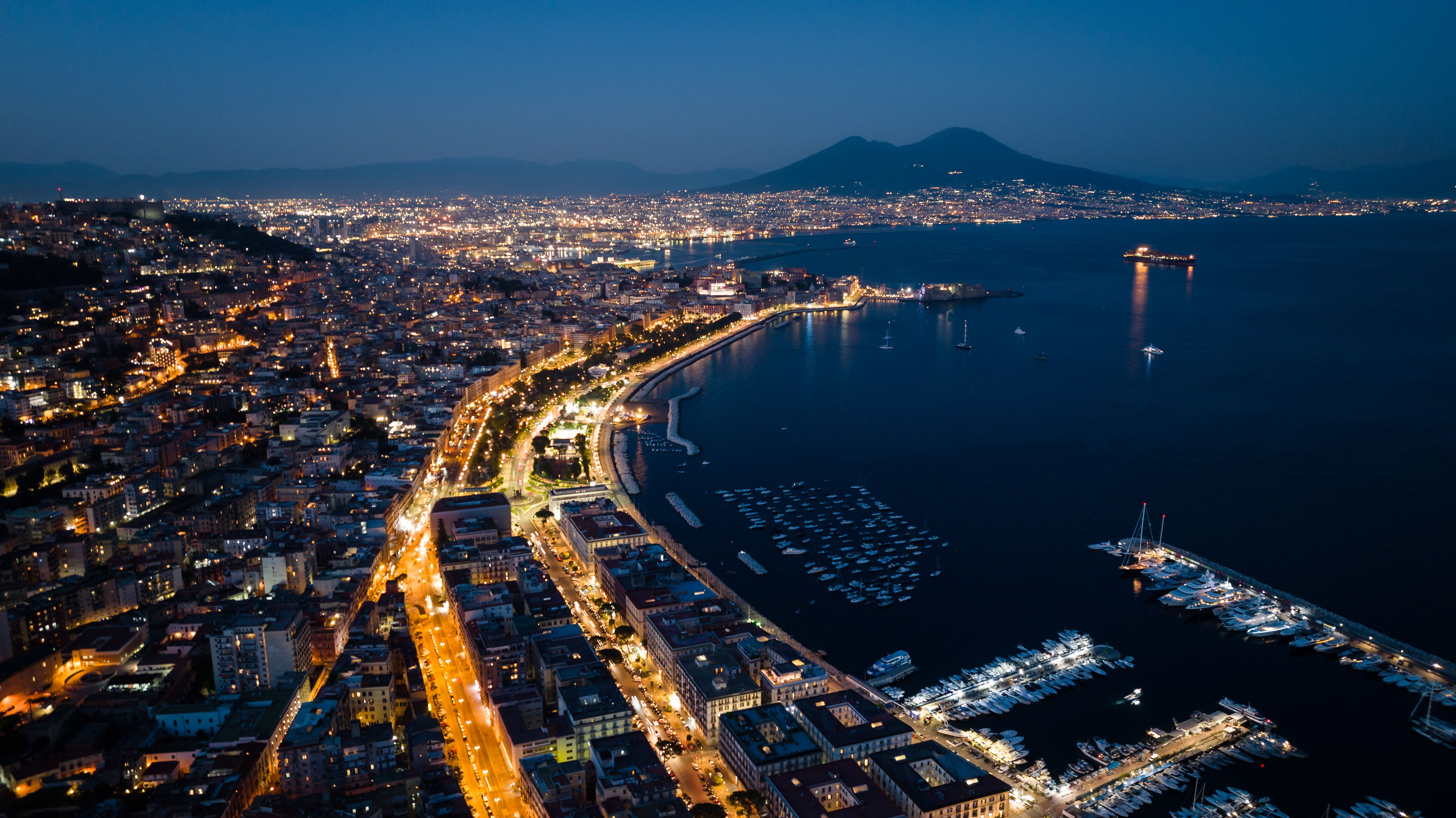
A suffocating, intensely radiant summer heat hangs over the vertical density of Naples, where the deep tufa-stone buildings of the historic center absorb the fierce rays of a southern sun. Across this sprawling urban amphitheater, framed by the majestic, deep indigo silhouette of Mount Vesuvius and the fiercely saturated azure expanse of the Tyrrhenian Sea, an invisible yet architecturally concrete monument vibrates through the atmosphere. The classic Neapolitan song is not a mere relic of regional folklore, but a highly sophisticated, multi-million-euro cultural empire that has structurally defined the emotional vocabulary of global vocal music. As the Italian state officially advances the historic repertoire’s candidacy for the prestigious UNESCO Intangible Cultural Heritage list, this localized poetic tradition undergoes a monumental validation on the world stage. To experience this acoustic phenomenon within its native geographical coordinates is to understand that music in Naples functions as a primary resource, an elite intellectual property that actively commands international devotion. Through the vivid, high-saturation lens of modern editorial photography, the city becomes a living canvas of light and sound, where the brilliant crimson of hanging chili peppers, the rich emerald of coastal pines, and the pristine whites of laundry drying above narrow alleys provide a deeply textured backdrop to a timeless melodic revolution.
Melodic Architecture and Poetic Rigor
The structural genesis of the classic Neapolitan song, flourishing between the late nineteenth century and the mid-twentieth century, represents a magnificent triumph of formal composition and linguistic refinement. Far from spontaneous street performance, masterpieces like ‘O Sole Mio, Torna a Surriento, and Era de maggio were engineered by elite literary figures and classically trained conservatory musicians who treated the local dialect as an unyielding, highly expressive poetic vehicle. The technical architecture of these compositions relies on a sophisticated mastery of harmonic modulations, frequently pivoting between dramatic minor keys and soaring, sun-lit major releases that mirror the physical topography of the volcanic coast. This intentional structural tension demands an extraordinary, almost athletic vocal discipline from its performers, requiring a seamless projection of emotional gravity and mathematical breath control that has permanently altered the evolution of international operatic technique.
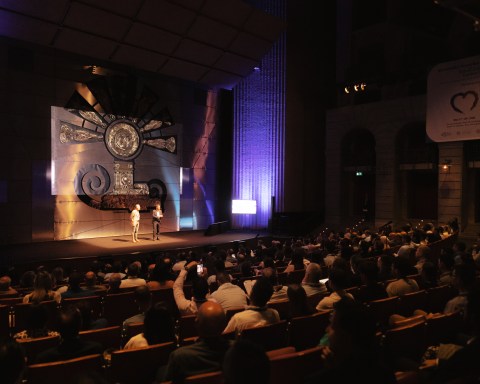
In the blinding clarity of the southern afternoon, the spaces where this musical heritage was forged reveal an intimate relationship between urban layout and acoustic resonance. The narrow, shadow-drenched fissures of the Spanish Quarters act as natural sounding boards, amplifying the raw timber of the human voice as it rises toward the bright, cloudless sky. The design of these compositions avoids the transient artifice of modern commercial pop, embracing instead a profound, visceral focus on universal human archetypes—exile, passionate devotion, and environmental awe. When these historical melodies are performed within the historic walls of the San Carlo Theater, the oldest continuously active opera house in Europe, the visual and auditory experience achieves an unparalleled level of opulence. The deep crimson velvet of the boxes, the heavy mirrors reflecting thousands of flickering lights, and the brilliant azure frescoed ceilings create a monument of sensory saturation, inviting the global elite to discover an Italy where popular sentiment is seamlessly elevated into absolute high art.
Macroeconomics of Sound and Global Royalties
From a rigorous corporate and macroeconomic perspective, the classic Neapolitan song catalog functions as an indestructible financial locomotive that continues to generate substantial global revenue streams across the contemporary media landscape. The intellectual property rights tied to these historic compositions, managed by legendary Neapolitan publishing houses like Bideri and international copyright syndicates, represent highly liquid cultural assets that command immense valuation within the global entertainment industry. Through synchronous licensing for major Hollywood cinematic productions, international television broadcast networks, and trillions of global music streaming plays, this single regional repertoire pumps significant volumes of foreign capital directly into the domestic creative economy, proving that ancestral beauty can effectively dictate the financial metrics of modern corporate publishing.
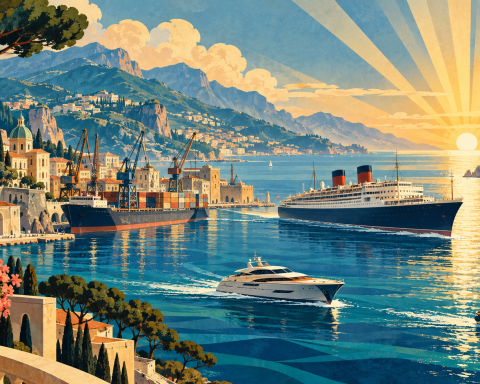
Furthermore, this melodic supremacy operates as a potent catalyst for high-margin cultural tourism, drawing an elite international clientele eager to submerge themselves in the authentic acoustic geography of the region. The contemporary revitalization of Naples’ luxury hospitality sector—marked by the strategic expansion of Five-Star boutique properties along the panoramic Via Partenope and the historical restoration of private aristocratic villas in Posillipo—is directly fueled by this global artistic prestige. International institutional investors and luxury real estate syndicates actively capitalize on the city’s unique cultural aura, recognizing that the global consumer’s insatiable demand for authentic Italian lifestyle experiences guarantees long-term asset appreciation and robust financial returns. The classic song is no longer merely heard; it is a multi-layered economic ecosystem that underwrites the real estate, hospitality, and artisanal value of the entire metropolitan territory, demonstrating that the preservation of intangible heritage is a highly profitable strategy for national economic resilience.
Intangible Heritage and Geopolitical Moats
The strategic deployment of the UNESCO candidacy represents a forward-looking geopolitical maneuver designed to establish an impenetrable protective shield around Italy’s creative economy, insulating it from the aggressive standardization of the globalized music market. By securing international recognition for the specific, highly localized transmission of the Neapolitan vocal tradition, the national authorities establish an official benchmark of quality that elevates the authentic local cluster over low-margin mass-produced imitations. This institutional validation ensures that the unique pedagogical methodologies, the rare artisanal luthiery of the traditional mandolin workshops in Calata San Marco, and the historic archival collections remain permanently protected and properly capitalized for future generations.
This protective framework functions with a sharp corporate logic, transforming a historic cultural repertoire into a highly competitive instrument of nation branding that enhances the geopolitical prestige of the country. In an international marketplace where premium consumers increasingly demand absolute structural authenticity, the official UNESCO designation operates as a powerful certification of cultural supremacy. The leading cultural institutions and musical foundations of Campania leverage this institutional backing to export high-margin touring productions, exclusive symphonic festivals, and elite masterclasses to the major cultural capitals of Asia, North America, and northern Europe. The field of traditional music is thus permanently salvaged from nostalgic marginalization, positioning the Italian intellectual and artistic heritage as an active, dominant force that shapes the aesthetic expectations of the global cultural elite.
Saturated Mediterranean Symphony
To physically experience the performance of a classic Neapolitan song under the canopy of a star-lit summer night along the Sorrento cliffside is to engage in a profound, unforgettable dialogue with the absolute essence of the Mediterranean spirit. The final hours of the southern evening bring a cooling marine breeze that carries the rich, intoxicating scent of coastal citrus groves and sun-baked maritime pines across the open-air stone terraces. The atmosphere is sophisticated, deeply emotional, and intensely saturated with color; the deep cobalt of the calm sea violently mirrors the brilliant constellations above, while the distant, flickering lights of the Neapolitan harbor wrap the horizon in a blanket of silent energy.
The music delivered in this pristine environmental setting acts as a powerful architectural force, organizing the space and commandingly capturing the absolute, undivided attention of the international assembly. As the resonant, highly calibrated notes of the tenor voice rise above the gentle murmur of the waves, accompanied by the bright, percussive shimmer of traditional stringed instruments, the historical depth of the territory is made physically tangible. This is the enduring luxury that The Ambassador proudly delivers to its universal readership: an exclusive invitation to experience an Italy that does not merely rest upon its monumental architectural ruins, but possesses the raw intellectual power and emotional density to continuously sing its identity to the world, permanently inviting the international elite to discover a territory where beauty is an unbreakable, living melody.
Discover more from The Ambassador
Subscribe to get the latest posts sent to your email.